How Long Do Meatballs Go In The Oven For Perfect Results
How long do meatballs go in the oven? Most meatballs bake at 400°F for 20 to 25 minutes, but the exact time depends on size, whether they are frozen, and your oven type. This guide covers everything you need to know about baking meatballs perfectly, from timing and temperature to tips that guarantee juicy results every single time.
How long do meatballs go in the oven? That is the question every home cook asks at some point. Whether you are making homemade meatballs from scratch or reheating store-bought ones, getting the bake time right makes all the difference. Undercooked meatballs are a food safety risk, and overcooked ones turn dry and crumbly. Nobody wants either of those outcomes on their plate.
The good news is that oven-baked meatballs are one of the simplest dishes to prepare. You mix the ingredients, shape them, pop them in the oven, and wait. But the waiting part matters a lot. Too short and the center stays raw. Too long and they lose all their moisture. This article breaks down everything you need to know about meatball cooking time so you get perfect results every time.
Let us dive into the details and take the guesswork out of baking meatballs.
Key Takeaways
- Standard bake time: Most meatballs take 20 to 25 minutes at 400°F
- Size matters: Small meatballs bake in 15 minutes, large ones need 30+ minutes
- Frozen meatballs: Add 10 to 15 extra minutes compared to fresh ones
- Internal temperature: Always check for 165°F in the center for food safety
- Don’t overcrowd: Space meatballs evenly for consistent browning and airflow
- Rest before serving: Let meatballs sit for 5 minutes after baking for best texture
- Oven type counts: Convection ovens bake faster than standard ovens
📑 Table of Contents
- How Long Do Meatballs Go In The Oven – The Short Answer
- Best Oven Temperature For Meatballs
- Meatball Size And Cooking Time
- Frozen Vs Fresh Meatballs
- Tips For Perfect Oven-Baked Meatballs
- How To Tell When Meatballs Are Done
- Adding Sauce: Before Or After Baking?
- How Long Do Meatballs Go In The Oven For Different Recipes
- Conclusion
How Long Do Meatballs Go In The Oven – The Short Answer
The standard meatball cooking time in a preheated 400°F oven is about 20 to 25 minutes. This works for medium-sized meatballs that are about 1.5 inches in diameter. However, this is just a starting point. Several factors change the bake time, and knowing them helps you adjust perfectly every time.
Standard Meatball Bake Time
For most homemade meatballs made with ground beef, pork, or a mix, 400°F for 20 to 25 minutes is the sweet spot. The meatballs should reach an internal temperature of 165°F at the center. At this point, the outside is nicely browned and the inside stays juicy and tender.
If you like your Italian meatballs with a bit of extra crust, you can extend the time by 2 to 3 minutes. Just keep an eye on them. A little extra browning adds flavor, but too much dries them out fast.
What Affects Cooking Time
Several things change how long your meatballs need in the oven. Here are the main factors:
- Meatball size: Smaller meatballs cook faster. Larger ones take longer.
- Oven temperature: Higher temps reduce time but need closer monitoring.
- Fresh vs frozen: Frozen meatballs need extra time to cook through.
- Oven type: Convection ovens circulate hot air and bake faster.
- Pan type: Metal pans conduct heat differently than glass or ceramic.
- Crowding: Packed meatballs block airflow and slow cooking.
Understanding these factors helps you adjust how long meatballs go in the oven for your specific situation. There is no single magic number that works for every batch every time.
Best Oven Temperature For Meatballs
Temperature is just as important as time when it comes to baking meatballs. The right oven setting ensures even cooking and a beautiful golden-brown exterior. Let us look at the best temperatures and why they work.
Why 400°F Is The Sweet Spot
Most chefs and home cooks agree that 400°F is the best temperature for oven-baked meatballs. At this heat, the outside sears quickly, locking in moisture. The inside cooks through evenly without drying out. You also get a nice Maillard reaction on the surface, which gives meatballs their appealing golden color and rich flavor.
Baking at 400°F also means less time in the oven. Shorter bake times help retain juices inside the meatball. If you go lower, like 350°F, the meatballs spend more time in the oven and can lose moisture along the way.
Can You Bake Meatballs At Lower Temperatures?
Yes, you can bake meatballs at 350°F, but it takes longer. Expect about 25 to 30 minutes at this temperature. The advantage is a gentler cook that some people prefer for larger meatballs. The downside is the longer exposure to heat can dry them out if you are not careful.
Some recipes call for 375°F as a middle ground. This works well for meatballs that are a bit larger than average. If you are unsure, stick with 400°F. It gives you the best balance of crispy outside and juicy inside for most meatball recipes.
Meatball Size And Cooking Time
The size of your meatballs has a huge impact on how long meatballs go in the oven. A tiny appetizer-sized meatball and a large dinner-plate meatball need very different bake times. Let us break it down by size.
Small Meatballs (1 Inch Diameter)
Small meatballs, about 1 inch across, bake fast. At 400°F, they need only 12 to 15 minutes. These are perfect for appetizer trays, pasta salads, or snack platters. Because they are small, check them early to avoid overcooking. They go from perfectly done to dry very quickly.
Frozen small meatballs need about 5 extra minutes, so aim for 17 to 20 minutes. Always use a meat thermometer to check the internal temperature. These little guys cook through fast, so precision matters.
Medium Meatballs (1.5 Inches Diameter)
Medium meatballs are the most common size for meatballs and spaghetti dishes. At 400°F, they need 20 to 25 minutes. This size gives you a good balance of crispy exterior and juicy interior. Most standard meatball ingredients call for this size, so 20 to 25 minutes is your go-to time.
If you are making ground beef meatballs with breadcrumbs and seasoning, this size works beautifully. The breadcrumbs help bind the meatball together, and the 20 to 25 minute window gives enough time for everything to set properly inside.
Large Meatballs (2 Inches or More)
Large meatballs, 2 inches or bigger, need more time. At 400°F, expect 28 to 35 minutes. These are great for hearty sandwiches or as a standalone main dish with a side of meatball sauce. The larger size means the center takes longer to reach a safe temperature.
Some people make extra-large meatballs that are 3 inches across. For these, you may need 35 to 40 minutes at 400°F. Cutting them in half before serving helps ensure the center is fully cooked. Always check the internal temperature meatballs reach 165°F no matter the size.
| Meatball Size | Bake Time (400°F) | Internal Temp Target | Best For |
|---|---|---|---|
| Small (1 inch) | 12-15 minutes | 165°F | Appetizers, snacks |
| Medium (1.5 inches) | 20-25 minutes | 165°F | Pasta dishes, spaghetti |
| Large (2+ inches) | 28-35 minutes | 165°F | Sandwiches, main courses |
| Extra Large (3 inches) | 35-40 minutes | 165°F | Hearty mains, casseroles |
Frozen Vs Fresh Meatballs
Whether you use frozen meatballs or fresh ones changes your approach to how long meatballs go in the oven. Both options work great, but they need different handling. Let us compare the two so you know exactly what to do.
Baking Frozen Meatballs
Frozen meatballs are incredibly convenient. You can buy them in bulk and cook them whenever you need them. When baking frozen meatballs, add 10 to 15 minutes to the standard bake time. So if fresh meatballs take 20 to 25 minutes at 400°F, frozen ones need 30 to 40 minutes.
The reason is simple. Frozen meatballs start at a much lower temperature, so they need extra time to thaw and cook through. Do not skip this extra time. Undercooked frozen meatballs can be a health risk, especially if they contain ground pork or poultry.
Pro tip: do not thaw frozen meatballs before baking unless the package specifically says to. Baking them from frozen actually helps them hold their shape better. The outside starts cooking before the inside thaws, which keeps the meatball intact.
Baking Fresh Meatballs
Fresh meatballs cook faster and more evenly than frozen ones. If you make your own homemade meatballs from scratch, you have full control over the ingredients and size. Fresh meatballs at 400°F typically need 20 to 25 minutes for medium size.
The advantage of fresh meatballs is you can adjust seasoning and fat content to your liking. Leaner meatball recipes may need a few minutes less since there is less fat to render. Fattier blends, like an 80/20 ground beef mix, hold moisture better and can handle a slightly longer bake without drying out.
Tips For Perfect Oven-Baked Meatballs
Getting the time and temperature right is only part of the equation. These practical tips take your oven-baked meatballs from good to great. Follow them and you will notice a big difference in texture and flavor.
Quick Tips For Better Meatballs
- Use a meat thermometer. This is the single best tool for checking doneness. Insert it into the center of the largest meatball.
- Do not overcrowd the pan. Leave at least half an inch between each meatball. Crowding blocks airflow and causes uneven cooking.
- Line your baking sheet with parchment paper. This prevents sticking and makes cleanup a breeze.
- Let the meatball mixture rest before shaping. Chilling the mixture for 30 minutes helps meatballs hold their shape better during baking.
- Brush with a little olive oil. This promotes browning and adds a subtle richness to the exterior.
- Rotate the pan halfway through. Ovens have hot spots. Rotating ensures even browning on all sides.
Common Mistakes To Avoid
Even experienced cooks make mistakes when baking meatballs. Here are the most common ones and how to avoid them:
- Opening the oven door too often. Every time you open the door, heat escapes. This extends bake time and can cause meatballs to fall apart. Trust your timer and only check at the end.
- Overmixing the meatball mixture. This makes meatballs dense and tough. Mix just until the ingredients come together.
- Using lean meat only. Meatballs need some fat for moisture and flavor. A blend with 20 to 30 percent fat works best.
- Skipping the rest time. Meatballs continue cooking after you remove them from the oven. Let them rest for 5 minutes before serving.
- Guessing the doneness. Always use a thermometer. Visual cues alone are not reliable for meatball doneness.
Expert Insights On Baking Meatballs
Professional chefs often share the same advice when it comes to baking meatballs in the oven. The key is to not rush the process. Low and slow works for some dishes, but meatballs benefit from higher heat and a shorter bake time. This approach seals the outside quickly while keeping the inside moist.
Many experts also recommend placing a small amount of sauce in the baking dish before adding meatballs. The steam from the sauce helps keep the meatballs moist during baking. This is especially helpful if you are making meatballs with sauce for a pasta dish. The meatballs absorb flavor as they bake, creating a more cohesive final dish.
Another expert tip: if you are baking meatballs for a crowd, use multiple sheet pans instead of one large pan. This gives each meatball enough space and ensures they all cook at the same rate. Spreading them out might take more pans, but the results are worth it.
How To Tell When Meatballs Are Done
Knowing when meatballs are done is essential for both safety and quality. Undercooked meatballs pose health risks, and overcooked ones taste terrible. Here is how to check for perfect doneness every time.
Internal Temperature Guide
The most reliable way to check if meatballs are done is with a meat thermometer. Insert the probe into the center of the largest meatball. The internal temperature should read 165°F for all types of meatballs, whether they are made from beef, pork, chicken, or turkey.
If you are baking a mix of sizes, check the largest ones first. They take the longest to cook through. Once the biggest meatballs hit 165°F, the smaller ones are almost certainly done too.
Visual And Touch Tests
If you do not have a meat thermometer, you can use visual and touch cues. A fully baked meatball should feel firm but springy when pressed on the top. It should not feel soft or squishy. The outside should be browned and slightly crispy.
Another visual test is to cut one meatball open. The inside should be evenly cooked with no pink or raw spots. The juices should run clear, not pink or red. This method works well but has a downside: it lets juices escape, which can dry out the remaining meatballs.
For the best results, combine both methods. Use the thermometer for accuracy and the touch test as a quick backup. Over time, you will develop an instinct for when meatballs are perfectly done just by looking at them.
The Resting Period
After removing meatballs from the oven, let them rest for 5 minutes before serving or adding them to sauce. During this resting period, the internal temperature rises by 2 to 3 degrees. This carryover cooking brings the center to the perfect safe temperature without overcooking the outside.
Resting also allows the meatball structure to set. The juices redistribute throughout the meatball instead of pooling on the cutting board. This small step makes a noticeable difference in the final texture and flavor of your oven-baked meatballs.
Adding Sauce: Before Or After Baking?
A common question is whether to add sauce before or after baking meatballs. Both approaches work, but they serve different purposes.
Adding sauce before baking creates a braising effect. The steam from the sauce keeps meatballs moist while they bake. This method works best for meatballs in sauce dishes like spaghetti and meatballs. The meatballs absorb sauce flavor as they cook, and the sauce reduces in the oven to create a rich, concentrated topping.
Adding sauce after baking gives you more control over the sauce’s texture and flavor. You can use a homemade or store-bought sauce and warm the meatballs in it on the stovetop or in a separate baking dish. This method works well when you want the meatballs to have a crispy exterior before adding sauce.
For the best of both worlds, try a hybrid approach. Brush meatballs with a thin layer of sauce before baking, then add more sauce after they come out of the oven. This gives them flavor from the inside out while keeping the outside nicely browned.
How Long Do Meatballs Go In The Oven For Different Recipes
Different recipes call for different approaches to baking meatballs. Here are a few common scenarios and the bake times that work best for each.
Classic Spaghetti And Meatballs
For traditional spaghetti and meatballs, bake meatballs at 400°F for 20 to 25 minutes. Then add them to your heated sauce and let them simmer together for 10 to 15 minutes. This two-step process gives you perfectly cooked meatballs that are infused with sauce flavor.
Meatball Appetizers Or Sliders
Small appetizer meatballs bake at 400°F for 12 to 15 minutes. If you are serving them on toothpicks or slider buns, keep them on the smaller side so they cook through quickly. These are great for parties and gatherings.
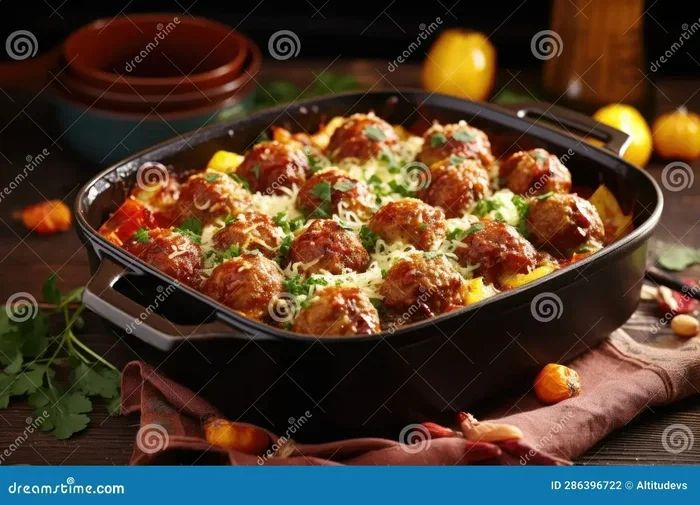
Meatball Casserole
For meatball casseroles, bake the meatballs at 400°F for 20 to 25 minutes first. Then layer them with pasta, cheese, and sauce and bake the whole casserole for an additional 15 to 20 minutes at 375°F.
Reheating Leftover Meatballs
If you are reheating already-cooked meatballs, 350°F for 10 to 15 minutes works well. Add a splash of water or broth to the baking dish to prevent them from drying out. Cover with foil for the first half of reheating to trap moisture.
Conclusion
So, how long do meatballs go in the oven? The answer is 20 to 25 minutes at 400°F for standard-sized meatballs. But as you have learned, the real answer depends on size, whether they are frozen, and your specific oven. Small meatballs take less time, large ones take more, and frozen ones need a significant boost.
The most important takeaway is to always use a meat thermometer. 165°F internal temperature is the non-negotiable standard for food safety. Beyond that, the tips in this article help you get the best texture and flavor from every batch of oven-baked meatballs you make.
Whether you are cooking for a weeknight family dinner or hosting a weekend gathering, perfectly baked meatballs are always a crowd-pleaser. Use the times and temperatures in this guide, avoid the common mistakes, and you will serve up meatballs that are juicy, flavorful, and beautifully browned every single time.
Now that you know exactly how long meatballs go in the oven, it is time to put this knowledge into action. Preheat your oven, mix up your favorite meatball recipe, and enjoy the process. Great cooking starts with knowing the basics, and you now have all the essentials at your fingertips.
Frequently Asked Questions
Can I bake meatballs at 350°F instead of 400°F?
Yes, you can bake meatballs at 350°F, but it takes longer. Expect 25 to 30 minutes for medium-sized meatballs at this lower temperature. The trade-off is a softer crust and slightly longer bake time. 400°F remains the recommended temperature for the best balance of crispy outside and juicy inside.
How do I know if meatballs are done without a thermometer?
Without a thermometer, check for a firm but springy feel when you press the top of a meatball. Cut one open to confirm there is no pink inside and the juices run clear. These visual and touch tests work but are less reliable than a meat thermometer, which should read 165°F at the center.
Can I put meatballs in sauce and bake them together?
Yes, you can bake meatballs in sauce. This method takes about 25 to 30 minutes at 400°F. The sauce keeps the meatballs moist during baking and infuses them with flavor. This approach works great for dishes like spaghetti and meatballs where the meatballs and sauce are served together.
How long do frozen meatballs take to bake?
Frozen meatballs need 10 to 15 extra minutes compared to fresh ones. At 400°F, expect 30 to 40 minutes for standard-sized frozen meatballs. Do not thaw them before baking unless the package instructions say to. Baking from frozen helps them hold their shape better.
What is the best meat for making meatballs?
A blend of ground beef and pork works best for most meatball recipes. An 80/20 ground beef blend provides the right balance of flavor and moisture. You can also use ground turkey or chicken for a lighter option. Just remember that leaner meats may need slightly less bake time to stay juicy.
Should I cover meatballs with foil while baking?
Generally, no. Baking meatballs uncovered allows the outside to brown and develop a nice crust. Covering them traps steam and prevents browning. If you find your meatballs drying out, try brushing them with olive oil or adding a small amount of sauce to the baking dish for moisture.