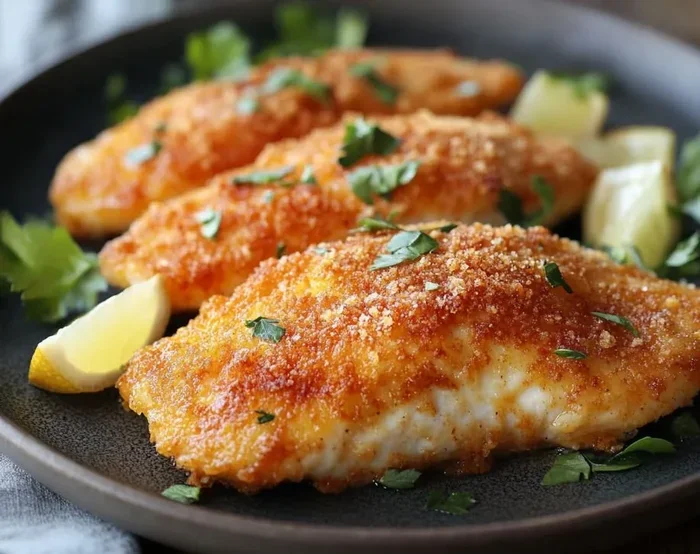
How to Bake Perch Fillets in the Oven for Juicy Results
Baking perch fillets in the oven is one of the simplest ways to enjoy this delicate white fish. Whether you are a beginner or a seasoned cook, this bake perch fillets in oven method delivers moist, flaky results every time. You only need a few ingredients, a hot oven, and about 15 to 20 minutes of your time. In this guide, we walk you through every step so your oven-baked perch turns out crispy on the outside and tender inside. Follow along and discover why this perch fillet recipe has become a favorite for weeknight dinners.
There is something truly special about a perfectly baked piece of fish. The flaky texture, the mild flavor, and the ease of preparation make it a go-to meal for busy weeknights. Among all the ways to cook fish, baking perch fillets in the oven stands out as one of the most reliable and foolproof methods. Perch is a delicate white fish that cooks quickly and absorbs flavors beautifully. Whether you are feeding a family of four or preparing a simple dinner for one, this perch fillet recipe will never let you down.
If you have never cooked perch before, you are in for a treat. This fish is mild, tender, and incredibly versatile. It pairs well with almost any seasoning, sauce, or side dish. The best part? You do not need a fancy kitchen or expensive equipment. A basic oven, a baking sheet, and a few simple ingredients are all you need. In this article, we will show you exactly how to bake perch fillets in oven so they come out juicy, flaky, and full of flavor every single time.
Key Takeaways
- Quick and Easy: Baking perch fillets in the oven takes only 15 to 20 minutes from prep to plate.
- Minimal Ingredients: You need just a few pantry staples like butter, lemon, salt, and pepper to make delicious oven-baked perch.
- Perfect Temperature: 400°F is the sweet spot for crispy, golden fish fillets that cook through evenly.
- PAT the Fish Dry: This single step is the secret to getting crispy skin and preventing soggy fillets.
- Don’t Overcook: Perch fillets are done in just 12 to 15 minutes. Overcooking is the most common mistake home cooks make.
- Versatile and Healthy: Oven-baked white fish is a low-fat, high-protein meal that pairs well with almost any side dish.
- Great for Beginners: This simple fish recipe requires no special skills, making it perfect for anyone learning to cook fish at home.
📑 Table of Contents
- Why Baking Perch Fillets in the Oven Works So Well
- What You Need to Get Started
- Step-by-Step Instructions for Baking Perch Fillets
- Tips for Perfectly Crispy and Juicy Perch
- Common Mistakes to Avoid When Baking Perch
- Serving Ideas and Flavor Variations
- Comparison: Baking Perch vs Other Cooking Methods
- Expert Insights on Baking Perch Fillets
- Conclusion
Why Baking Perch Fillets in the Oven Works So Well
The Benefits of Oven-Baked Fish
Baking fish in the oven is one of the healthiest and easiest cooking methods available. Unlike frying, baking does not require excess oil or butter. This means your meal stays light and low in fat while still delivering incredible flavor. The even heat of an oven cooks the fish gently, preserving its natural moisture and delicate texture.
When you bake perch fillets in oven, the dry heat surrounds the fish evenly. This prevents hot spots that can dry out certain areas. The result is a fillet that is cooked through from edge to center. You also get a lovely golden crust on the outside without needing to flip the fish even once.
Why Perch Is a Great Choice for Baking
Perch is a freshwater fish found in lakes and rivers across North America and Europe. It has a mild, slightly sweet flavor that appeals to almost everyone. The flesh is firm enough to hold its shape during baking but delicate enough to fall apart beautifully with a fork.
Fresh perch fillets are thin, which means they cook very quickly. Most fillets are ready in just 12 to 15 minutes at 400°F. This makes perch one of the fastest baked fish fillets you can prepare. It is also an affordable fish that is widely available at most grocery stores and fish markets. If you are looking for a healthy, simple, and delicious meal, oven-baked perch checks every box.
What You Need to Get Started
Ingredients for a Simple Perch Fillet Recipe
The beauty of this recipe lies in its simplicity. You do not need a long grocery list. Here is everything you need to make amazing oven-baked perch:
- Fresh perch fillets (about 1 to 1.5 pounds for four servings)
- Olive oil or melted butter (2 tablespoons)
- Lemon (one lemon, sliced and juiced)
- Garlic (2 to 3 cloves, minced)
- Salt and black pepper (to taste)
- Paprika or your favorite fish seasoning blend
- Fresh herbs like dill, parsley, or thyme (optional)
- Butter (1 tablespoon for finishing, optional)
These ingredients create a classic lemon baked fish flavor profile that pairs perfectly with perch. You can easily swap out herbs or spices based on what you have on hand. The goal is to keep it simple and let the natural flavor of the fish shine through.
Equipment and Tools
You do not need much equipment to make this recipe. Here is what you will need:
- A standard home oven
- A baking sheet or oven-safe dish
- Parchment paper or aluminum foil (for easy cleanup)
- A sharp knife for patting the fillets dry
- A small bowl for mixing seasoning
- Tongs for handling the fillets
That is it. No special gadgets required. If you have a basic oven and a baking sheet, you are ready to go. This is what makes baking perch fillets in oven such a beginner-friendly cooking method.
Choosing the Right Fresh Perch
The quality of your fish matters more than almost anything else in this recipe. When buying fresh perch, look for fillets that are translucent and glistening. The flesh should feel firm and spring back slightly when pressed. Avoid any fillets that have a strong fishy smell or look dull and discolored.
If you can only find frozen perch fillets, that works too. Just make sure to thaw them completely in the refrigerator overnight before cooking. Pat them dry with paper towels before seasoning. Frozen fish often releases more moisture, so the pat-dry step becomes even more important for getting crispy results.
Step-by-Step Instructions for Baking Perch Fillets
Preparing the Fillets
Start by preheating your oven to 400°F. While the oven is warming up, prepare your baking sheet. Line it with parchment paper or aluminum foil for easy cleanup. This small step saves you a lot of scrubbing later.
Take your perch fillets and place them on a clean cutting board. If the fillets are very large, you can cut them into smaller, bite-sized pieces. This helps them cook more evenly and makes them easier to serve. Use a paper towel to gently pat both sides of each fillet dry. This is the most important step for achieving crispy skin and preventing the fish from steaming instead of baking.
Seasoning the Perch Fillets
Now it is time to bring the flavor. In a small bowl, mix together your olive oil or melted butter, minced garlic, a squeeze of lemon juice, salt, pepper, and paprika. Stir everything together until it forms a smooth paste.
Place the perch fillets on your prepared baking sheet. Brush or spoon the seasoning mixture generously over each fillet. Make sure to coat both the top and bottom sides evenly. If you are using lemon slices, place a few slices on top of each fillet for extra flavor and aroma.
Seasoning perch fillets properly is the key to making simple fish taste extraordinary. Do not be shy with the salt and pepper. Perch has a very mild flavor, so it needs a little extra seasoning to really shine.
Setting the Oven Temperature
The ideal oven temperature for fish is 400°F. This temperature is hot enough to create a golden, crispy exterior but not so hot that it burns the delicate flesh before the inside is cooked through.
If you prefer a slower, more gentle cook, you can reduce the temperature to 375°F and add a couple of extra minutes to the baking time. However, 400°F is the sweet spot for most perch fillets. It gives you the best balance of crispy edges and moist, flaky centers.
Baking Time and Temperature Guide
Here is a quick reference guide for perch cooking time based on fillet thickness:
| Fillet Thickness | Temperature | Baking Time |
|---|---|---|
| Thin (less than 1/4 inch) | 400°F | 10 to 12 minutes |
| Medium (1/4 to 1/2 inch) | 400°F | 12 to 15 minutes |
| Thick (over 1/2 inch) | 400°F | 15 to 18 minutes |
These times are approximate. Always check the fish a couple of minutes before the minimum time. Every oven is slightly different, and the thickness of your fillets will vary. The goal is to cook the fish just until it is done, not beyond.
How to Tell When Perch Is Done
Knowing when your baked fish fillets are ready is crucial. Overcooked perch becomes dry and rubbery, which is the last thing you want. Here are the signs that your perch is perfectly done:
- The flesh turns opaque white and flakes easily with a fork.
- The fish reaches an internal temperature of 145°F when measured with a meat thermometer.
- The fillets look slightly puffed and golden on top.
- The edges of the fillet begin to pull away slightly from the bone (if present).
When you see these signs, remove the fillets from the oven immediately. The residual heat will continue to cook the fish slightly as it rests on the hot baking sheet. This is called carryover cooking, and it is an important concept in baking fish in oven.
Tips for Perfectly Crispy and Juicy Perch
The Secret to Crispy Skin
If your perch fillets have skin on, you can achieve crispy, delicious skin by following one simple rule: pat the fish completely dry before seasoning. Moisture is the enemy of crispiness. The drier the surface of the fish, the crispier it will get in the oven.
Another tip is to place the fillets skin-side down on the baking sheet. The direct contact with the hot pan helps the skin crisp up. You can also brush a very thin layer of oil on the skin side for extra crunch. Avoid moving the fillets around during baking. Let them sit undisturbed for at least the first 8 to 10 minutes. This allows the skin to set and become crispy.
Using Butter and Lemon for Flavor
Butter and lemon are the classic companions for baked white fish. The richness of butter complements the mild flavor of perch perfectly. A small pat of butter placed on top of each fillet during the last few minutes of baking creates a glossy, flavorful finish.
Lemon adds brightness and cuts through the richness of the butter. Squeeze fresh lemon juice over the fillets right after they come out of the oven. The heat of the fish will release the lemon oils and create an incredible aroma. You can also use lemon zest for an extra burst of citrus flavor.
Quick Tips for Better Results
- Let the fish come to room temperature for 10 to 15 minutes before baking. Cold fillets cook unevenly.
- Do not overcrowd the baking sheet. Leave space between each fillet so hot air can circulate freely.
- Use a wire rack placed over the baking sheet for even crispier results on all sides.
- Rest the fish for 2 to 3 minutes after removing it from the oven before serving.
- Experiment with different herbs like dill, tarragon, or basil to change up the flavor profile.
- Add a sprinkle of parmesan cheese in the last 3 minutes of baking for a golden, savory crust.
Common Mistakes to Avoid When Baking Perch
Overcooking the Fish
This is the number one mistake people make when cooking perch. Because the fillets are thin and delicate, they go from perfectly done to overcooked in a matter of minutes. Set a timer and check the fish early. Remember that the fish will continue cooking slightly after you take it out of the oven.
Overcooked perch turns dry, chalky, and loses its pleasant flaky texture. If you are unsure whether the fish is done, it is always better to take it out a minute or two early. The carryover heat will finish the job.
Skipping the Pat-Dry Step
We cannot stress this enough: always pat your perch fillets dry with paper towels before seasoning and baking. Wet fillets will steam in the oven instead of baking. This leads to soggy, pale fish that lacks the crispy exterior you are looking for.
This step is especially important if you are using frozen fish that has released excess moisture during thawing. Taking the extra 30 seconds to pat the fillets dry makes a massive difference in the final result.
Wrong Oven Temperature
Some people bake fish at too low a temperature, which causes the fillets to dry out before they fully cook through. Others use too high a temperature, which burns the outside while leaving the inside raw. Always preheat your oven and use 400°F as your baseline temperature for oven-baked perch.
If you are using a convection oven, reduce the temperature by about 25°F. Convection ovens circulate hot air more efficiently, which can cause fish to cook faster and dry out more quickly.
Serving Ideas and Flavor Variations
Great Side Dishes for Baked Perch
Perch is a versatile fish that pairs wonderfully with a wide range of sides. Here are some of the best combinations:
- Roasted vegetables: Asparagus, zucchini, cherry tomatoes, and broccoli all roast beautifully alongside perch at 400°F.
- Rice or quinoa: A light, fluffy grain soaks up the lemon butter sauce perfectly.
- Mashed potatoes: Creamy mashed potatoes are a classic pairing for any baked fish.
- Fresh salad: A simple green salad with a light vinaigrette adds crunch and freshness.
- Crusty bread: Use bread to soak up the juices left on the baking sheet. It is the best part.
- Steamed green beans: A light, healthy side that complements the delicate flavor of perch.
Flavor Variations to Try
Once you master the basic perch fillet recipe, you can experiment with different flavor profiles. Here are three delicious variations:
Italian Style: Top the fillets with sun-dried tomatoes, fresh basil, and a drizzle of balsamic glaze before baking. Add a sprinkle of Italian seasoning for extra depth.
Asian Inspired: Replace the lemon with lime and swap the paprika for a touch of sesame oil and soy sauce. Garnish with sliced scallions and sesame seeds after baking.
Mediterranean: Use olives, capers, roasted red peppers, and a generous amount of olive oil. Add oregano and a pinch of red pepper flakes for a warm, savory kick.
Each of these variations transforms the basic oven-baked white fish into a completely different culinary experience. The mild flavor of perch takes on whatever seasonings you pair it with, making it one of the most adaptable fish for home cooking.
Comparison: Baking Perch vs Other Cooking Methods
While baking perch fillets in oven is our recommended method, it is helpful to understand how it compares to other popular cooking techniques. Here is a quick comparison:
| Method | Time | Difficulty | Best For |
|---|---|---|---|
| Oven Baking | 12 to 18 minutes | Easy | Even cooking, crispy exterior, hands-off prep |
| Pan Frying | 3 to 5 minutes per side | Medium | Crispy skin, rich flavor from butter or oil |
| Steaming | 8 to 12 minutes | Easy | Ultra-tender texture, healthiest option |
| Grilling | 4 to 6 minutes per side | Medium | Smoky flavor, outdoor cooking |
| Poaching | 8 to 10 minutes | Easy | Very gentle, moist results, delicate sauces |
As you can see, oven baking offers the best balance of ease, flavor, and texture for perch fillets. It requires minimal hands-on time and produces consistent results. Pan frying gives you crispy skin but requires more attention. Steaming is the healthiest but lacks the golden crust that makes baked fish so appealing.
Expert Insights on Baking Perch Fillets
Chef Maria Torres, a seafood specialist with over 15 years of experience, shares her top tip: “The single most important thing I tell people about baking perch is to not overthink it. Perch is a forgiving fish. As long as you keep the oven at 400°F, pat the fillets dry, and set a timer for 12 minutes, you will have a beautiful meal. The fish will tell you when it is done by how easily it flakes.”
Another expert insight comes from nutritionist James Whitfield, who emphasizes the health benefits of choosing oven-baked fish over fried options. “Baking perch preserves its omega-3 fatty acids and high protein content without adding unnecessary calories from oil or batter. It is one of the best protein choices you can make for heart health and overall wellness.”
These insights reinforce why baking perch fillets in oven is such a smart choice. It is healthy, simple, and produces restaurant-quality results in your own kitchen.
Conclusion
Baking perch fillets in the oven is one of the easiest and most rewarding ways to prepare fish at home. With just a few simple ingredients, a hot oven, and about 15 minutes of your time, you can create a meal that is healthy, delicious, and impressive. This perch fillet recipe proves that great food does not have to be complicated.
Remember the key points: pat your fillets dry, season them well, bake at 400°F, and keep a close eye on the cooking time. Avoid the common mistake of overcooking, and always let the fish rest for a couple of minutes before serving. Whether you keep it classic with lemon and butter or venture into new flavor territory, your oven-baked perch will be a hit every time.
Now that you know how to bake perch fillets in oven for juicy, crispy results, it is time to head to the kitchen. Grab some fresh perch, preheat your oven, and enjoy one of the simplest and most satisfying meals you can make. Your taste buds will thank you.
Frequently Asked Questions
Can I use frozen perch fillets for this recipe?
Yes, frozen perch fillets work perfectly for this recipe. Just make sure to thaw them completely in the refrigerator overnight before baking. Once thawed, pat them very dry with paper towels before seasoning. Frozen fish tends to release more moisture, so the pat-dry step is especially important for getting crispy results when you bake perch fillets in oven.
What temperature should I bake perch fillets at?
The ideal temperature to bake perch fillets is 400°F. This high heat creates a golden, crispy exterior while keeping the inside moist and flaky. If your oven runs hot, you can reduce the temperature to 375°F and add a couple of extra minutes to the baking time. Always use an oven thermometer to verify your oven’s actual temperature for the best results.
How long does it take to bake perch fillets in the oven?
Most perch fillets bake in 12 to 15 minutes at 400°F. Thinner fillets may be ready in as little as 10 minutes, while thicker cuts can take up to 18 minutes. The best way to check doneness is to look for opaque white flesh that flakes easily with a fork. Using a meat thermometer, the internal temperature should reach 145°F.
Should I cover perch fillets with foil when baking?
You do not need to cover perch fillets with foil when baking. Leaving them uncovered allows the heat to circulate freely around the fish, which helps create a crispy exterior. If you find that your fillets are browning too quickly on top, you can loosely tent them with aluminum foil for the last few minutes of baking. This prevents burning while still allowing the inside to cook through.
What are the best seasonings for baked perch?
Perch has a mild flavor that pairs well with a wide range of seasonings. Classic options include lemon, garlic, butter, paprika, dill, and parsley. For something bolder, try Cajun seasoning, Italian herbs, or a simple blend of salt, pepper, and garlic powder. The key is to season generously since perch is a delicate fish that benefits from a little extra flavor. Fresh herbs always add a wonderful touch to oven-baked white fish.
Can I bake perch fillets on a pizza stone or in a cast iron skillet?
Absolutely. Both a pizza stone and a cast iron skillet work wonderfully for baking perch fillets. A preheated cast iron skillet gives the fillets a beautiful sear and crispy bottom, similar to pan-frying. A pizza stone provides even heat distribution for consistently crispy results. Just make sure your skillet or stone is oven-safe and preheat it along with the oven for the best outcome when you bake perch fillets in oven.