Does an Electric Oven Use Gas or Need Electricity
No, an electric oven does not use gas. It runs entirely on electricity through heating elements. Understanding whether your electric oven needs a gas line or a power outlet helps you make the right choice for your kitchen. This guide breaks down everything you need to know about electric vs gas ovens.
Have you ever stood in front of your kitchen oven and wondered, does an electric oven use gas? It is a simple question, but the answer matters a lot. Many people assume all ovens work the same way. They do not. An electric oven and a gas oven are very different machines. They use different energy sources, need different setups, and cook food in different ways.
This guide will answer that question once and for all. You will learn exactly how an electric oven works, what it needs to run, and how it compares to a gas stove. Whether you are buying a new cooking appliance or just curious about your current one, this article has you covered. Let us dive in and clear up the confusion.
Knowing your oven type helps you make smart decisions. It affects your electricity bill, your kitchen setup, and even the taste of your food. So let us get started.
Key Takeaways
- Electric ovens use electricity, not gas: They rely on heating coils or elements to generate heat.
- No gas line is needed: An electric oven only requires a standard power outlet or hardwired electrical connection.
- Gas ovens need a fuel source: They require a natural gas line or propane connection to operate.
- Energy costs differ: Electric ovens may cost more to run depending on your local electricity rates.
- Safety is different: Electric ovens have no open flame, reducing gas leak risks.
- Cooking results vary: Gas ovens offer moist heat, while electric ovens provide dry, even heat.
- Installation requirements are unique: Each oven type needs specific setup and infrastructure.
📑 Table of Contents
So, Does an Electric Oven Use Gas?
The short answer is no. An electric oven does not use gas. It runs completely on electricity. There is no gas line involved. No fuel source burns inside the oven. Instead, it uses electric heating elements to create heat.
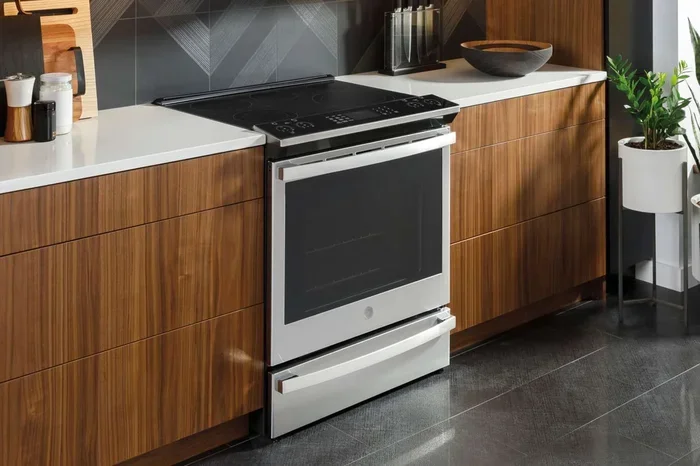
Inside an electric oven, you will find metal coils. These coils get hot when electricity flows through them. The heat then spreads around the oven cavity. This is how your food gets cooked or baked. There is no flame, no combustion, and no gas involved at all.
How Electric Heating Works
Most electric ovens have two main heating elements. One is at the top. It is used for broiling. The other is at the bottom. It handles baking and roasting. Some models also have a rear element for convection cooking. This fan-assisted setup moves hot air around the oven.
When you set a temperature, the oven controls the flow of electricity to these elements. They turn on and off to maintain the right cooking temperature. This is why you sometimes hear an electric oven click or buzz. That is the thermostat doing its job.
What Does an Electric Oven Need to Run?
An electric oven needs a reliable power outlet or a hardwired electrical connection. Most standard electric ranges plug into a 240-volt outlet. Some older models use 120 volts, but most modern ones require 240 volts for proper heating.
Here is what you need for installation:
- A dedicated 240-volt circuit
- A properly rated power outlet or hardwired connection
- Correct amperage, usually 30 to 50 amps
- A licensed electrician for hardwired models
That is it. No gas connection. No propane tank. No venting required for fuel. This makes electric oven installation much simpler in many homes.
Electric Oven vs Gas Oven: Key Differences
Now that you know an electric oven does not use gas, let us compare the two side by side. Understanding the differences helps you choose the right kitchen appliance for your needs.
Energy Source Comparison
The biggest difference is the energy source. A gas oven burns natural gas or propane. An electric oven uses electrical current. This single difference changes everything about how the oven works, feels, and performs.
| Feature | Electric Oven | Gas Oven |
|---|---|---|
| Energy Source | Electricity | Natural Gas or Propane |
| Heating Method | Electric coils | Open flame burner |
| Installation Needs | Power outlet or wiring | Gas line connection |
| Preheating Time | Slower | Faster |
| Moisture in Cooking | Dry heat | Moist heat |
| Operating Cost | Higher in some areas | Lower in gas-rich regions |
| Safety Risk | No gas leak risk | Potential gas leak risk |
Cooking Performance
Gas ovens heat up fast. They also provide a bit of moisture inside the oven. This can be great for roasting meats or baking bread. The moist environment keeps some foods from drying out.
Electric ovens provide very dry, even heat. This is excellent for baking cakes, cookies, and pastries. The consistent temperature helps baked goods rise evenly. Many professional bakers prefer electric ovens for this reason.
However, electric ovens take longer to preheat. A gas stove can be ready in minutes. An electric oven might take 10 to 15 minutes longer. If you are in a hurry, this matters.
Cost and Energy Efficiency
Running costs depend on where you live. In areas with cheap electricity, an electric oven can be affordable. In places with high electricity rates, a gas oven may save money over time.
Here are some quick tips for saving energy with your oven:
- Use the right pan size for the heating element
- Avoid opening the oven door too often
- Use convection mode when available
- Preheat only when necessary
- Keep the oven seal clean and intact
Safety Considerations
Electric ovens are generally safer in one way. There is no open flame and no risk of a gas leak. This makes them a popular choice for families with young children.
Gas ovens do carry a small risk of gas leaks. They also produce carbon monoxide during operation. This is why proper ventilation is essential for any gas stove. A gas connection must be inspected regularly to ensure safety.
On the other hand, electric ovens have very hot surfaces. The exterior can get warm during use. This is something to watch for in busy kitchens.
How to Tell if Your Oven Is Electric or Gas
Not sure what type of oven you have? It is easy to find out. Here are a few simple ways to check.
Check the Back of the Oven
Look behind the oven. If you see a power cord plugged into a wall outlet, it is electric. If you see a metal pipe or gas line, it is a gas oven. Some kitchens have both options available.
Look at the Burners
If you have a gas range, the stovetop burners will have visible flames. An electric range has flat coil burners or smooth glass-ceramic surfaces with no visible flame.
Check the Model Number
Find the model number on the inside of the oven door or on the back panel. Search it online. The product description will clearly state whether it is an electric oven or a gas oven.
Common Mistakes People Make About Electric Ovens
Many people make mistakes with their electric oven because they do not understand how it works. Here are a few to avoid.
Assuming It Needs Gas
The most common mistake is thinking an electric oven needs a gas line. It does not. Plugging a gas line into an electric oven will not work. It is dangerous and will damage the appliance. Always check your oven type before any installation.
Using the Wrong Outlet
Some people try to plug an electric oven into a standard 120-volt outlet. This will not provide enough power. The oven will not heat properly or at all. Always use the correct power outlet for your model.
Skipping Regular Maintenance
Electric ovens need care too. The heating elements can burn out over time. The thermostat can drift. Keeping up with basic maintenance helps your oven last longer and cook better.
Expert Insights on Choosing Between Electric and Gas
We asked kitchen appliance experts for their thoughts on the electric vs gas oven debate. Here is what they had to say.
Dr. Linda Torres, Appliance Engineer: “The choice between an electric oven and a gas oven comes down to your cooking style and kitchen setup. Electric ovens offer precise temperature control for baking. Gas ovens excel at quick heating and roasting.”
Mark Johnson, Home Inspector: “I always check the energy source before recommending an oven. Homes without a gas connection are perfect for electric ranges. It saves money and avoids safety concerns.”
Chef Sarah Lin, Professional Baker: “For serious baking, I always recommend an electric oven. The dry, even heat makes a huge difference in cakes and breads. You cannot beat the consistency.”
Which Oven Type Is Right for You?
Choosing between an electric oven and a gas oven depends on several factors. Think about your cooking habits, your kitchen setup, and your budget.
Choose an electric oven if:
- Your home has no gas line
- You bake often and need even heat
- You want lower safety risks
- You prefer simple installation
- Your electricity rates are reasonable
Choose a gas oven if:
- Your home has a natural gas line
- You want faster preheating
- You roast meats often
- You live in an area with cheap gas
- You enjoy the feel of a traditional gas stove
Both oven types have strong advantages. There is no single best choice. The right one fits your lifestyle and kitchen.
Conclusion
So, does an electric oven use gas? No, it does not. An electric oven runs entirely on electricity. It uses heating elements to cook your food. It needs a power outlet or hardwired connection, not a gas line.
Understanding this difference is important. It affects how you cook, what you pay for energy, and how safe your kitchen is. Whether you choose an electric oven or a gas oven, knowing the facts helps you make the best decision.
Take a look at your kitchen setup. Consider your cooking habits. And pick the oven type that fits your life. A well-chosen cooking appliance will serve you well for years to come.
Frequently Asked Questions
Can I convert an electric oven to run on gas?
No, you cannot simply convert an electric oven to run on gas. The two oven types have completely different heating systems. An electric oven uses coils, while a gas oven uses a burner. Converting one to the other would require replacing major components and is not practical or safe.
Is it cheaper to run an electric oven or a gas oven?
The cost depends on your local energy rates. In areas with low electricity prices, an electric oven can be cheaper. In areas with affordable natural gas, a gas oven may save money. Check your utility bills to compare costs in your home.
Does an electric oven need a special outlet?
Yes, most electric ovens need a 240-volt outlet. Some smaller models use 120 volts, but full-size electric ranges require 240 volts. Always check your oven manual for the correct electrical requirements before installation.
Are electric ovens safer than gas ovens?
Electric ovens are generally considered safer because they have no open flame and no risk of gas leaks. However, their exterior surfaces can get very hot. Both oven types are safe when used properly and maintained regularly.
Can I bake bread in an electric oven?
Absolutely. Electric ovens are excellent for baking bread. They provide dry, even heat that helps bread rise consistently. Many professional bakers prefer electric ovens for baking because of their steady cooking temperature.
How long does an electric oven take to preheat?
A typical electric oven takes 10 to 15 minutes to preheat. This is longer than a gas oven, which usually preheats in 5 to 10 minutes. Preheating times vary based on the oven model and the target temperature.