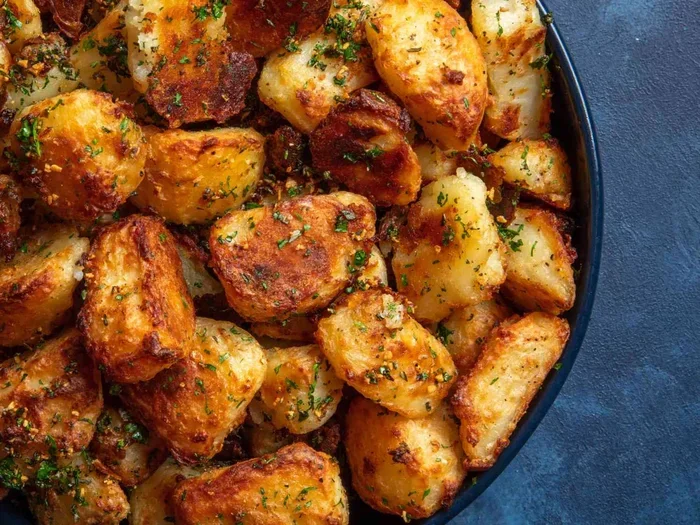
Baked Potatoes in Oven at 350 for Crispy Perfection
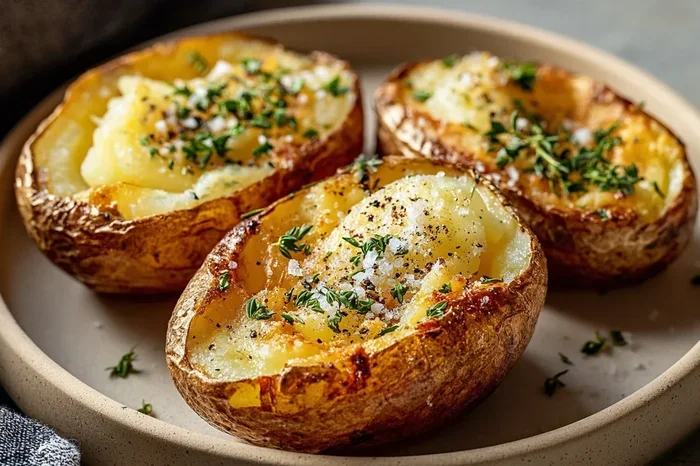
Baking potatoes in oven at 350°F delivers the perfect balance of crispy skin and fluffy inside. This guide covers everything from choosing the right russet potatoes to timing, seasoning, and topping ideas. Whether you are a beginner or a seasoned cook, you will find practical tips and pro tricks to make oven baked potatoes that taste amazing every single time.
There is something truly magical about a baked potato in oven at 350. The way the heat wraps around the potato slowly, crisping the skin to a golden brown while keeping the inside soft and fluffy, is nothing short of perfect. No fancy equipment needed. No complicated steps. Just a simple potato, a hot oven, and a little patience.
Many people overcomplicate oven baked potatoes. They worry about timing, temperature, and technique. But here is the truth: baking a potato at 350°F is one of the easiest and most forgiving cooking methods out there. Whether you are cooking for yourself or feeding a whole family, this method never fails.
In this guide, we will walk through everything you need to know. From picking the right russet potatoes to nailing the crispy skin, we have got you covered. You will learn the best baking temperature, how long to cook each potato, and which seasoning baked potatoes combinations work best. By the end, you will never settle for a mediocre baked potato again.
Key Takeaways
- 350°F is the ideal baking temperature: It cooks potatoes evenly and creates a crispy skin without burning.
- Choose russet potatoes: They have the perfect starch content for a fluffy interior and crispy exterior.
- Pierce the skin before baking: This prevents explosions and allows steam to escape for even cooking.
- Bake for 45 to 60 minutes: The exact time depends on potato size and whether you use foil or not.
- Use olive oil and salt for crispy skin: This simple step makes a huge difference in texture and flavor.
- Check internal temperature: A fluffy baked potato reaches 210°F internally for the perfect finish.
- Toppings matter: Classic options like butter, sour cream, and cheese elevate the dish to restaurant quality.
📑 Table of Contents
- Why 350°F Is the Perfect Temperature for Baked Potatoes
- Choosing the Right Potatoes for Oven Baking
- Step-by-Step Guide to Baking Potatoes at 350
- Tips for Crispy Skin and Fluffy Interior
- Common Mistakes to Avoid When Baking Potatoes
- Delicious Toppings and Serving Ideas
- Expert Tips and Pro Secrets
- Frequently Asked Questions
- Final Thoughts
Why 350°F Is the Perfect Temperature for Baked Potatoes
Temperature makes all the difference when it comes to potato bake recipe success. Too low, and you end up with a pale, undercooked spud. Too high, and the outside burns before the inside cooks through. So why does 350°F work so well?
At 350°F, heat circulates evenly around the potato. The oven temperature for potatoes allows the starch inside to convert slowly into a fluffy, light texture. Meanwhile, the surface dehydrates just enough to form that satisfying crispy potato skin we all love.
The Science Behind Baking at 350°F
When you place a potato in a 350°F oven, several things happen at the molecular level. The starch granules inside the potato absorb moisture and swell. This process, called gelatinization, is what creates that soft, fluffy texture we crave. At the same time, the Maillard reaction occurs on the surface. This is the chemical reaction between amino acids and sugars that gives golden brown potatoes their deep flavor and beautiful color.
If you bake at 400°F or higher, the Maillard reaction happens too fast. The outside chars before the inside is done. At 325°F, the process is too slow, and the potato can turn dry and mealy. 350°F hits the sweet spot every single time.
How Long Does It Take at 350°F?
The potato cooking time at 350°F depends mainly on size. Here is a general guide:
- Small potatoes (under 5 oz): 35 to 45 minutes
- Medium potatoes (5 to 8 oz): 45 to 55 minutes
- Large potatoes (over 8 oz): 55 to 70 minutes
These times assume a standard conventional oven. If you use a convection setting, reduce the time by about 10 minutes. Always check for doneness by squeezing the potato gently or using a fork. A perfectly fork tender potato will slide apart with almost no resistance.
Choosing the Right Potatoes for Oven Baking
Not all potatoes are created equal when it comes to baking potatoes in oven. The variety you choose affects texture, flavor, and how well the skin crisps up.
Russet Potatoes: The Gold Standard
Russet potatoes are the go-to choice for oven baked potatoes. They have a high starch content and thick, rough skin that crisps beautifully at 350°F. Inside, they bake up light and fluffy, almost like a cloud. This is exactly what you want in a perfect baked potato.
Look for russets that are firm, smooth, and free of green spots or sprouts. Larger potatoes tend to bake more evenly because the heat has more time to penetrate to the center before the outside overcooks.
Other Potato Varieties Worth Trying
While russets are the classic choice, you can experiment with other types too:
- Yukon Gold: These have a buttery, creamy texture and thinner skin. They bake well at 350°F but may not get as crispy on the outside.
- Red Potatoes: Waxy and moist, red potatoes hold their shape better. They are great for oven roasted potatoes but less ideal for a fluffy baked texture.
- Fingerlings: Small and elegant, these bake quickly and develop a lovely crispy exterior. Perfect for individual portions.
For the best results with baked potatoes in oven at 350, stick with russets. They are tried, tested, and true.
Step-by-Step Guide to Baking Potatoes at 350
Now let us get into the nitty-gritty. Here is a simple, foolproof method for making perfect oven baked potatoes every time.
Step 1: Prep the Potatoes
Start by washing your potatoes thoroughly under cold running water. Use a vegetable brush to scrub off any dirt. Pat them completely dry with a clean towel. Moisture on the surface can prevent the skin from crisping properly.
Next, use a fork to poke several holes into each potato. This is a crucial step. The holes allow steam to escape during baking, which prevents the potato from bursting in the oven. Do not skip this part, even if you are in a hurry.
Step 2: Season the Exterior
Rub each potato lightly with olive oil for potatoes. Just a thin coat will do. Then sprinkle generously with kosher salt. The oil helps the salt adhere to the skin and promotes even browning. Some people also add a pinch of black pepper or garlic powder at this stage for extra flavor.
For an extra crispy potato edges effect, try this trick: after rubbing with oil and salt, place the potatoes on a wire rack set over a baking sheet. The air circulates underneath, which helps the skin crisp up more evenly than sitting directly on a pan.
Step 3: Wrap or Unwrap?
This is one of the biggest debates in the world of baking potatoes in foil. Both methods have their merits.
Without foil: The skin gets significantly crispier because the hot air circulates freely around the potato. This is the preferred method for crispy potato skin lovers.
With foil: Wrapping in aluminum foil traps moisture, which steams the potato slightly. This results in a softer skin and a moister interior. Some people prefer this method because it keeps the potato warmer for longer after it comes out of the oven.
For the best of both worlds, try baking unwrapped for the first 40 minutes, then wrapping in foil for the last 15 minutes. You get a crispy base with a soft, steaming top.
Step 4: Bake and Wait
Place the prepared potatoes directly on the oven rack or on a parchment-lined baking sheet. Set your oven to 350°F and let the potatoes bake undisturbed. Resist the urge to open the oven door too often. Every time you open it, you lose heat, which can extend the cooking time.
Use the potato internal temperature as your ultimate guide. A perfectly baked potato reads 210°F when measured at the center with an instant-read thermometer. If you do not have a thermometer, squeeze the potato gently with an oven mitt. It should yield easily with no hard spots in the middle.
Step 5: Rest and Serve
Once done, remove the potatoes from the oven and let them rest for 5 minutes. This allows the internal steam to redistribute, which makes the potato fluffier. Slice open the top with a knife, press the ends inward to open up the potato, and pile on your favorite toppings.
Tips for Crispy Skin and Fluffy Interior
Getting that perfect contrast between crispy potato skin and a fluffy interior is an art. Here are some tried-and-true tips that make all the difference.
Start with Dry Potatoes
Moisture is the enemy of crispy skin. After washing, make sure you dry the potatoes completely. For an even better result, let them air-dry on a wire rack for 15 to 20 minutes before baking. The longer they sit uncovered, the drier the surface becomes, which leads to better crisping.
Use the Right Oil
Olive oil for potatoes is the most popular choice, but you can also use avocado oil or melted butter. Avoid using too much oil. A light, even coat is all you need. Too much oil can make the skin greasy instead of crispy.
Salt Generously
Kosher salt works best for seasoning baked potatoes because it adheres well to the oil and dissolves slowly during baking. This creates a flavorful, slightly crunchy crust. Table salt works too, but use less of it since it is finer and saltier by volume.
Give Them Space
Do not crowd the potatoes on the baking sheet or oven rack. Leave at least an inch of space between each potato. Good air circulation is essential for even crispy potato edges and consistent cooking throughout.
Flip Halfway Through
For extra even browning, flip the potatoes halfway through the baking time. This ensures all sides get equal exposure to the heat. Use two spatulas or oven mitts to turn them carefully, since they will be hot.
Common Mistakes to Avoid When Baking Potatoes
Even simple recipes have pitfalls. Here are the most common mistakes people make with oven baked potatoes and how to avoid them.
Skipping the Poke
We mentioned this earlier, but it deserves repeating. Not poking holes in the potato can cause it to burst in the oven. Steam builds up inside with nowhere to go, and the results can be messy and even dangerous. Always fork the potato several times before baking.
Using Potatoes That Are Too Small
Tiny potatoes may seem convenient, but they cook too quickly. The outside can burn before the inside has time to fully cook. Choose potatoes that are at least 5 ounces for the best results at 350°F.
Opening the Oven Door Too Often
Every peek costs heat. Oven temperature fluctuations can add 10 to 15 minutes to your total cooking time. Trust the process and only open the door when it is time to check for doneness.
Overlooking the Internal Temperature
Time estimates are just guidelines. Every oven is different, and potato size varies. The most reliable way to know if your baked potatoes in oven at 350 are done is to check the internal temperature. Invest in a cheap instant-read thermometer if you do not have one. It is a game changer.
Adding Toppings Too Early
Some people like to load their potatoes with butter, cheese, or sour cream right out of the oven. While that is delicious, it can soften the crispy skin you worked so hard to achieve. Let the potato rest for a few minutes first, then add toppings just before serving.
Delicious Toppings and Serving Ideas
A great baked potato in oven at 350 is a canvas for creativity. The fluffy interior absorbs flavors beautifully, and the crispy skin adds a satisfying crunch. Here are some topping ideas to try.
Classic Combinations
- Butter and sour cream: The timeless favorite. Add chives and a sprinkle of black pepper for a simple yet satisfying side dish.
- Cheese and bacon: Shredded cheddar, crispy bacon bits, and a dollop of sour cream. This is comfort food at its finest.
- Chili and cheese: Top your oven baked potatoes with a hearty bean chili and melted Monterey Jack. A complete meal in one.
Lighter and Healthier Options
- Greek yogurt and herbs: Swap sour cream for plain Greek yogurt. Add fresh dill, parsley, and a squeeze of lemon for a lighter twist.
- Steamed broccoli and olive oil: A veggie-packed option that adds fiber and nutrients to your meal.
- Avocado and salsa: Creamy avocado topped with fresh pico de gallo makes for a bright, fresh flavor profile.
Unexpected But Amazing Pairings
- Miso butter and scallions: A Japanese-inspired twist that adds deep umami flavor to your potato.
- Pulled pork and BBQ sauce: Turn your baked potato into a hearty main dish by piling on smoked meat and sauce.
- Marinara and mozzarella: Think of it as a potato pizza. The combination of tangy sauce and melty cheese is irresistible.
Expert Tips and Pro Secrets
Want to take your perfect baked potato to the next level? These pro tips will elevate your game.
Soak the Potatoes Before Baking
Soaking sliced or whole potatoes in cold water for 30 minutes removes excess surface starch. This leads to crispier skin and a less gummy texture inside. After soaking, make sure to dry the potatoes thoroughly before baking.
Double Bake for Extra Crispiness
This technique is used by many restaurants. Bake the potato at 350°F until fully cooked, then let it cool completely. Bake it again at 400°F for 10 to 15 minutes until the skin is ultra crispy. The double bake creates an incredibly crunchy exterior with a perfectly fluffy interior.
Use a Wire Rack
Placing potatoes on a wire rack over a baking sheet promotes airflow all around the potato. This is one of the simplest upgrades you can make for more even crispy potato edges and a better overall bake.
Preheat Your Oven
Always preheat your oven to 350°F before putting the potatoes in. A fully heated oven ensures the potato starts cooking immediately and evenly. Placing food in a cold oven leads to uneven cooking and longer bake times.
Batch Cooking for Meal Prep
Baked potatoes in oven at 350 are excellent for meal prep. Bake a large batch on Sunday and store them in the fridge for the week. Reheat them in the oven at 350°F for 10 to 15 minutes to restore the crispy skin. Microwaving works in a pinch, but it will soften the skin.
Frequently Asked Questions
Can I bake potatoes at 350°F in a convection oven?
Yes, you can. In a convection oven, reduce the temperature by 25°F and check for doneness about 10 minutes earlier than the standard time. Convection fans circulate hot air more efficiently, so the potatoes bake faster and more evenly.
How do I know when a baked potato is done?
The easiest way is to use an instant-read thermometer. A fully baked potato reaches an internal temperature of 210°F. If you do not have a thermometer, squeeze the potato gently with an oven mitt. It should feel soft and yield easily with no hard spots in the center.
Should I use foil when baking potatoes at 350°F?
It depends on your preference. Baking without foil produces crispier skin, while wrapping in foil keeps the skin softer and the potato warmer longer. For the best crispy results, skip the foil. For a softer, steamier texture, wrap the potato in aluminum foil.
Can I bake potatoes at 350°F ahead of time?
Absolutely. You can bake potatoes ahead of time and keep them warm in the oven at 150°F for up to 2 hours. For longer storage, let them cool completely and refrigerate. Reheat in the oven at 350°F for 10 to 15 minutes to restore the crispy skin.
What is the best potato variety for baking at 350°F?
Russet potatoes are the best choice for oven baked potatoes at 350°F. Their high starch content and thick skin create the ideal fluffy interior and crispy exterior. Yukon Gold and fingerlings also work well but produce slightly different textures.
Why is my baked potato skin not crispy?
The most common reasons are moisture on the surface, not enough salt or oil, or overcrowding the baking sheet. Make sure to dry the potatoes thoroughly, use a light coat of oil, salt generously, and give each potato enough space for proper air circulation.
Final Thoughts
Baked potatoes in oven at 350 are one of the simplest yet most satisfying dishes you can make. The method is forgiving, the results are consistent, and the flavor is unbeatable. Whether you prefer a classic butter and sour cream version or want to get creative with bold toppings, this guide gives you everything you need to succeed.
Remember to choose the right russet potatoes, prep them properly, and resist the urge to open the oven door too often. Follow the timing guidelines, check the internal temperature, and let the potato rest before serving. These small steps add up to a perfect baked potato every single time.
The beauty of this recipe lies in its simplicity. There are no fancy techniques, no expensive ingredients, and no room for error. Just a hot oven, a little patience, and a whole lot of deliciousness waiting on your plate. So preheat that oven to 350°F, grab some potatoes, and get baking. Your perfect oven baked potatoes are just one hour away.
Now that you have all the knowledge, it is time to put it into practice. Try the method described here, experiment with different toppings, and make baked potatoes in oven at 350 a regular part of your cooking routine. You will wonder why you ever bothered with microwave potatoes in the first place. Happy baking!