Do You Flip Meatballs In The Oven For Juicy Results
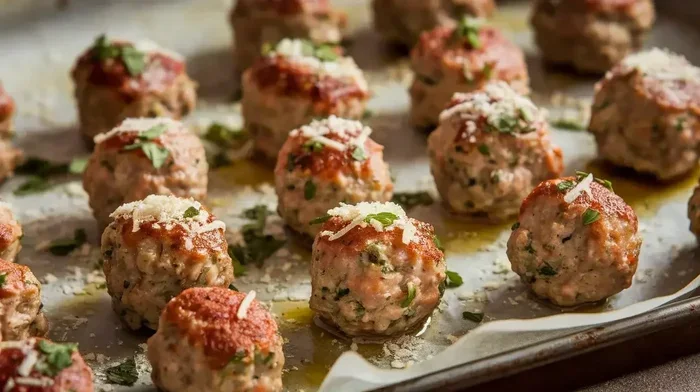
Do you flip meatballs in the oven? The answer depends on your pan, meatball size, and desired texture. Baking meatballs on a wire rack allows hot air to circulate underneath, often making flipping unnecessary. However, flipping halfway through can help achieve a golden brown crust on all sides and ensure even cooking. This guide covers everything you need to know about oven-baked meatballs, from preparation to serving.
There is something deeply satisfying about pulling a tray of oven-baked meatballs out of the oven. The aroma fills the kitchen. The tops look golden. But then you wonder, do you flip meatballs in the oven? This is a question that has sparked debates in kitchens for years. Some people swear by flipping. Others say it is completely unnecessary. The truth lies somewhere in the middle, and it depends on a few key factors.
In this guide, we will explore everything you need to know about baking meatballs in the oven. We will cover when flipping helps, when it does not, and how to get perfectly juicy results every single time. Whether you are a beginner cook or a seasoned home chef, you will find practical tips here that make a real difference. Let us dive in and take the mystery out of oven-baked meatball perfection.
Key Takeaways
- Flipping is optional: Many bakers skip flipping by using a wire rack for even heat circulation.
- Flipping promotes even browning: Turning meatballs halfway helps both sides develop a delicious crust.
- Meatball size matters: Smaller meatballs rarely need flipping, while larger ones benefit from a turn.
- Wire racks are a game-changer: They allow airflow underneath, reducing the need to flip.
- Resting after baking is essential: Let meatballs rest for 5-10 minutes to lock in juices.
- Internal temperature is key: Cook meatballs to 165°F for food safety and juiciness.
- Pan choice affects flipping needs: Sheet pans, baking dishes, and racks each have different requirements.
📑 Table of Contents
- Why Flipping Meatballs Matters For Even Cooking
- The Best Way To Bake Meatballs Without Flipping
- When And How Often To Flip Meatballs
- Meatball Size And Its Effect On Flipping
- Tips For Juicy Oven-Baked Meatballs
- Common Mistakes People Make When Baking Meatballs
- Expert Insights On Oven Meatball Techniques
- Quick Tips For Perfect Oven-Baked Meatballs
- Frequently Asked Questions
- Conclusion
Why Flipping Meatballs Matters For Even Cooking
Understanding why flipping matters starts with how heat works inside an oven. Hot air rises and circulates around your food. When meatballs sit on a flat surface, only the top half gets direct exposure to that circulating heat. The bottom side cooks by conduction from the pan. This creates an uneven cooking situation.
The Science Behind Flipping
When you flip meatballs in the oven, you expose the bottom side to the same heat as the top. This promotes even browning on all surfaces. It also helps the meatball texture stay consistent from edge to center. Without flipping, the bottom can become pale or soggy while the top turns deeply browned.
Think of it like toasting bread. If you only toast one side, you get uneven results. The same principle applies to meatballs. Flipping halfway through baking gives you a uniform golden crust on every meatball. This crust does more than look good. It seals in moisture and adds flavor through the Maillard reaction.
What Happens If You Do Not Flip
Skipping the flip is not a crime. Many recipes do not call for it. The results depend on your setup. If you bake meatballs on a wire cooling rack placed over a sheet pan, hot air flows all around them. This method often produces evenly browned meatballs without any turning.
However, if you place meatballs directly on a baking sheet or in a baking dish, the bottom side stays trapped against the pan. It steams rather than roasts. The result? Meatballs with a soft, pale bottom and a nicely browned top. For some recipes, this is fine. For others, it can affect both appearance and taste.
The Best Way To Bake Meatballs Without Flipping
If you want to skip the flip entirely, there is a method that works beautifully. Baking meatballs on a wire rack is the secret to even cooking without turning. This technique has become a favorite among home cooks and professional chefs alike.
Setting Up Your Oven For Rack-Baked Meatballs
Start by preheating your oven to 400°F. This temperature is ideal for oven-baked meatballs because it cooks them quickly while creating a nice exterior crust. Line a baking sheet with foil or parchment paper for easy cleanup.
Place a wire rack on top of the baking sheet. Arrange your meatballs on the rack with space between each one. This gap is crucial. Crowding traps steam and prevents proper airflow. A spacing of at least half an inch between meatballs works best.
The wire rack allows hot air to reach the bottom of every meatball. This means you get even browning on all sides without lifting a spatula. Set your timer and let the oven do the work.
Choosing The Right Pan When Flipping
If you prefer to flip your meatballs, the pan you choose matters. A non-stick sheet pan works great because meatballs release easily. Avoid dark-colored pans if you are flipping, as they can cause the bottom to over-brown while you wait to turn them.
Some bakers prefer a shallow baking dish. This works well for meatballs that will sit in sauce later. The dish catches any drippings and keeps the meatballs moist. However, meatballs in a dish benefit even more from flipping because the bottom is completely shielded from direct heat.
When And How Often To Flip Meatballs
The question do you flip meatballs in the oven does not have a one-size-fits-all answer. The right approach depends on your recipe, your equipment, and your personal preferences. Let us break down the most common scenarios.
The Halfway Flip Method
The most popular approach is to flip meatballs once, halfway through the cooking time. If your recipe calls for 25 minutes of baking, you flip at the 12-13 minute mark. This gives both sides equal exposure to the oven’s heat.
Use a spatula or tongs to turn each meatball gently. Be careful not to squeeze the meatball too hard. Squeezing pushes out juices and leads to dry, dense results. A light touch preserves the juicy meatball texture you are aiming for.
Using A Timer For Perfect Results
Set a kitchen timer when you put the meatballs in the oven. This simple habit prevents you from forgetting to flip them. Many people open the oven door to check on something else and lose track of time. A timer keeps you on schedule.
Another helpful tip is to rotate the baking sheet 180 degrees when you flip. Ovens have hot spots, and rotating ensures all sides of the meatballs receive equal heat. This small step makes a noticeable difference in even meatball browning.
No-Flip Method With A Wire Rack
As mentioned earlier, the wire rack method eliminates the need to flip. Place your formed meatballs on the rack and bake at 400°F for about 20-25 minutes. The circulating hot air does all the work. You will end up with meatballs that are browned on all sides without ever touching them.
This method is perfect for busy cooks who want hands-off results. It also keeps the meatballs from breaking apart, since you are not moving them around. No-flip baking is especially great for smaller meatballs that cook quickly and evenly.
Meatball Size And Its Effect On Flipping
The size of your meatballs plays a big role in whether flipping is necessary. Different sizes require different approaches to meatball cooking time and heat exposure.
Small Meatballs vs Large Meatballs
Small meatballs, about one inch in diameter, cook very quickly. They usually need only 15-18 minutes at 400°F. Because they are small, heat penetrates them fast and evenly. Flipping small meatballs is less critical. They often brown well on all sides without turning.
Large meatballs, on the other hand, benefit greatly from flipping. A two-inch meatball can take 25-30 minutes to bake through. Without flipping, the outside may overcook before the center reaches the safe internal meatball temperature of 165°F. Flipping large meatballs halfway helps the outside and inside cook at the same rate.
Uniform Size For Consistent Results
One of the biggest secrets to great baked meatballs is making them all the same size. Use a cookie scoop or your hands to form uniform meatballs. When meatballs are the same size, they cook at the same rate. This makes flipping easier because everything is done at the same time.
If some meatballs are bigger than others, you will end up with a mix of overcooked and undercooked pieces. Uniform size also means you can flip them all at once, saving time and effort. A little extra effort during prep pays off big time during baking.
Tips For Juicy Oven-Baked Meatballs
Everyone wants meatballs that are moist and tender on the inside with a slightly crispy exterior. Getting that perfect balance comes down to a few key techniques. These tips will elevate your oven-baked meatballs from good to outstanding.
The Role Of Fat And Moisture
The fat content in your ground meat is the single most important factor for juicy meatballs. Use ground beef with about 15-20% fat. Lean meat alone produces dry, tough meatballs. The fat melts during baking and keeps the interior moist.
Adding ingredients like grated onion, beaten egg, and breadcrumbs helps retain moisture too. These binders absorb juices and release them slowly during cooking. Just do not overmix. Overworking the meat causes dense, rubbery meatballs. Mix until just combined and then stop.
Resting Meatballs After Baking
Once your meatballs come out of the oven, resist the urge to cut into them immediately. Let them rest for 5 to 10 minutes. During resting, the juices redistribute throughout the meatball. This step makes a huge difference in the final meatball texture.
Resting works the same way it does with steak. Cutting too soon releases all the juices onto the cutting board instead of keeping them inside the meatball. A brief rest ensures every bite is succulent and flavorful.
Adding Sauce After Baking
Many Italian recipes call for adding meatballs to sauce after baking. This is a great strategy for keeping meatballs moist. The sauce provides additional moisture and flavor during the simmering process.
If you plan to add meatballs to sauce, you can slightly undercook them in the oven. They will finish cooking gently in the simmering sauce. This two-step process results in incredibly tender meatballs in sauce that fall apart with a fork.
Common Mistakes People Make When Baking Meatballs
Even experienced cooks make mistakes when baking meatballs. Being aware of these pitfalls helps you avoid them and achieve better results every time.
Overcrowding The Pan
The most common mistake is placing too many meatballs on the pan. When meatballs touch or overlap, they steam instead of roast. This prevents proper browning and creates uneven cooking. Give each meatball enough space. If you need to bake a large batch, use two sheet pans or work in multiple rounds.
Baking At The Wrong Temperature
Baking at too low a temperature causes meatballs to dry out before they fully cook through. Too high a temperature burns the outside while leaving the inside raw. Stick to 400°F for most meatball recipes. This temperature strikes the right balance between browning and cooking through.
Invest in an oven thermometer if you are unsure about your oven’s accuracy. Many ovens run hotter or cooler than their dial suggests. Knowing your oven’s true temperature helps you adjust your baking time and get consistent results.
Skipping The Preheat
Never place meatballs in a cold oven. Preheating ensures the meatballs start cooking immediately at the right temperature. A preheated oven creates a burst of heat that begins forming the crust right away. This crust locks in moisture and contributes to that satisfying meatball browning we all love.
Expert Insights On Oven Meatball Techniques
Professional chefs and cooking instructors have strong opinions about flipping meatballs. Some insist on it for perfect results. Others prefer the no-flip wire rack method. Both approaches produce excellent meatballs when done correctly.
Chef Maria Licciardi, a well-known Italian cooking instructor, recommends the wire rack method for most home cooks. She says, “The rack gives you even heat without the risk of breaking the meatballs. Most people do not need to flip at all if they use a rack.” Her advice is especially helpful for beginners who are still building confidence in the kitchen.
On the other hand, cookbook author James Beard award winner Lidia Bastianich favors flipping for a traditional crust. She notes that the gentle turn at the halfway point creates a more rustic, bakery-style exterior. Her method works well for meatballs that will be served on their own, not in sauce.
The bottom line is that both techniques work. The best method is the one that fits your equipment, your recipe, and your comfort level. Experiment with both and see which produces the results you love most.
Quick Tips For Perfect Oven-Baked Meatballs
Here are some fast tips you can use right away to improve your meatball baking game:
- Chill your meatballs for 15 minutes before baking. Cold meatballs hold their shape better and cook more evenly.
- Grease the rack lightly with cooking spray or olive oil to prevent sticking.
- Use a meat thermometer to check the internal temperature. 165°F is the safe target.
- Do not open the oven door too often. Every time you open it, heat escapes and cooking time increases.
- Season generously. Salt, pepper, garlic powder, and fresh herbs make a big difference in flavor.
- Line your baking sheet with foil for easy cleanup without sacrificing browning.
- Let meatballs rest after baking to lock in the juices before serving.
Frequently Asked Questions
Do you need to flip meatballs when baking them in the oven?
You do not need to flip meatballs if you bake them on a wire rack. The rack allows hot air to circulate underneath, producing even browning without turning. If you bake meatballs directly on a sheet pan or in a dish, flipping halfway through helps the bottom side brown evenly. The wire rack method is the easiest way to skip flipping entirely and still get great results.
How long should you bake meatballs in the oven at 400 degrees?
Most meatballs bake at 400°F for 20 to 25 minutes. The exact time depends on the size of your meatballs. One-inch meatballs take about 18-20 minutes. Two-inch meatballs may need 25-30 minutes. Always check that the internal temperature reaches 165°F for food safety. Using a meat thermometer is the most reliable way to know your meatballs are done.
What is the secret to juicy oven-baked meatballs?
The secret to juicy meatballs is fat and moisture. Use ground beef with 15-20% fat content. Add ingredients like grated onion, egg, and breadcrumbs to help retain moisture. Do not overmix the meat mixture, as this makes meatballs dense. Also, let the meatballs rest for 5-10 minutes after baking so the juices redistribute inside each meatball.
Can you bake meatballs in a baking dish without flipping?
Yes, you can bake meatballs in a dish without flipping, but the results differ. The bottom of each meatball will be softer and paler because it steams against the dish. This works well if you plan to simmer the meatballs in sauce afterward. For crispy all-around browning, flip them once halfway through or use a wire rack instead.
Should you cover meatballs with foil while baking?
Covering meatballs with foil traps steam and prevents browning. For crispy, golden meatballs, bake them uncovered. If you find the tops browning too quickly, you can loosely tent foil over them for the last few minutes. Most recipes for oven-baked meatballs call for an uncovered bake to achieve the best texture and color.
What causes meatballs to fall apart in the oven?
Meatballs fall apart when the mixture is not bound properly. Make sure your recipe includes egg and breadcrumbs as binders. Do not skip the resting step after forming the meatballs, as this helps them set. Also, avoid placing meatballs too close together on the pan. Crowding causes them to stick and break apart when you try to turn them.
Conclusion
So, do you flip meatballs in the oven? The answer is that it depends on your setup and your goals. If you use a wire rack, you can skip flipping and still get beautifully browned, evenly cooked meatballs. If you bake directly on a pan or in a dish, flipping halfway through helps achieve a uniform golden crust on every side.
Oven-baked meatballs are one of the most versatile and delicious dishes you can make. They work in spaghetti, on sandwiches, as appetizers, or served on their own with a dipping sauce. Once you master the baking technique, you can experiment with different seasonings, meats, and sauces to create your own signature recipe.
Remember the key principles: use enough fat, space the meatballs properly, check the internal temperature, and let them rest before serving. These simple steps make a huge difference in the final result. With practice, you will know exactly how to flip or not flip your meatballs for the perfect texture every time.
Now it is your turn. Head to your kitchen, form a batch of meatballs, and try the method that works best for you. Whether you flip or not, the most important thing is that you enjoy the process and the delicious results. Happy baking!