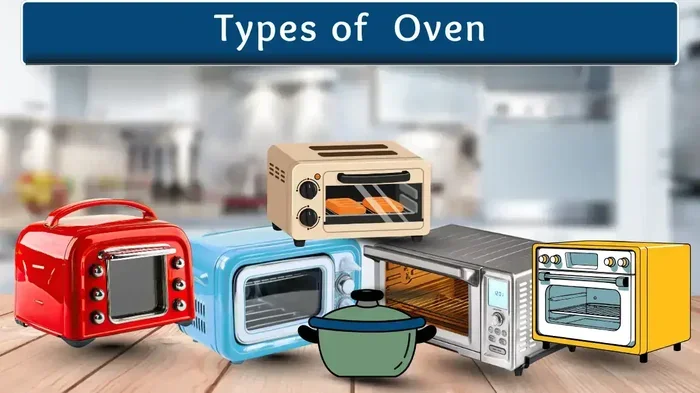
What Kind Of Ovens Are There And How To Choose Yours
There are many kinds of ovens out there, from classic electric and gas models to compact countertop options and specialty wood-fired designs. This guide walks you through every oven type, compares key features, and gives you a clear plan to choose the right one for your cooking style and budget. You will walk away knowing exactly which oven fits your kitchen best.
Ovens are one of the most used appliances in any kitchen. Whether you love baking bread, roasting a Sunday chicken, or reheating leftovers, the right oven makes all the difference. But here is the thing — not all ovens are the same. There are many kinds of ovens, and each one brings something different to the table.
If you have ever stood in a store staring at rows of ovens feeling confused, you are not alone. The choices can feel overwhelming. That is exactly why we put together this guide. We will walk you through every type of oven, explain what makes each one special, and help you figure out which one is the best fit for your kitchen. By the end, you will feel confident and ready to make a smart choice.
Key Takeaways
- Multiple oven types exist: electric, gas, convection, microwave, toaster, countertop, wood-fired, steam, and pizza ovens all serve different needs.
- Your cooking habits matter most: choose based on what you cook, how often, and how much space you have.
- Countertop ovens save space: they are great for small kitchens and offer surprising versatility at a lower price.
- Convection ovens cook faster and more evenly: the fan circulates hot air for consistent results every time.
- Gas vs electric comes down to preference: each has clear advantages in temperature control, cost, and installation.
- Maintenance keeps your oven lasting longer: regular cleaning and care prevent costly repairs and keep food tasting great.
- Read reviews and compare features: always check capacity, energy efficiency, and warranty before buying.
📑 Table of Contents
The Different Types of Ovens Available Today
Before you shop, it helps to understand what is out there. The oven market has grown a lot over the years. Let us break down the main categories so you can see the full picture.
Electric Ovens
Electric ovens are the most common type found in homes today. They use electric heating elements to generate heat. Most people know this kind of oven well because it has been the standard in kitchens for decades.
One big advantage of electric ovens is that they provide very even heat. The heat spreads consistently throughout the oven cavity. This makes them great for baking and roasting. They also tend to be easier to install since you just need a power outlet.
Some downsides to keep in mind. Electric ovens usually take longer to preheat than gas models. They also depend on your home’s electrical system, so you may need a dedicated circuit. Overall, they are reliable, safe, and work well for most families.
Gas Ovens
Gas ovens use natural gas or propane to create a flame that heats the oven. Many professional chefs prefer gas because it offers precise temperature control. You can adjust the heat quickly and see exactly when the burner is on.
Gas ovens also tend to cost less to operate over time, especially in areas where gas is cheaper than electricity. They preheat faster too. Some bakers love that gas ovens keep a bit of moisture in the air, which can help with certain bread and pastry recipes.
However, gas ovens do need a gas line connection. Installation can be more complex and may require a professional. There is also the matter of an open flame, which some people find less convenient than electric models.
Convection Ovens
A convection oven is a type of oven that uses a fan and exhaust system to circulate hot air around the food. This is one of the most popular oven types for people who cook a lot. The moving air helps food cook faster and more evenly than a standard oven.
Convection ovens work well for roasting vegetables, baking cookies, and cooking multiple dishes at once. The fan eliminates hot spots, so your food browns evenly on all sides. Many modern ovens come with a convection feature built in.
The tradeoff is that convection can sometimes dry out delicate foods. You may need to lower the temperature by about 25 degrees when using the convection setting. But once you get used to it, you will probably wonder how you ever cooked without it.
Toaster Ovens
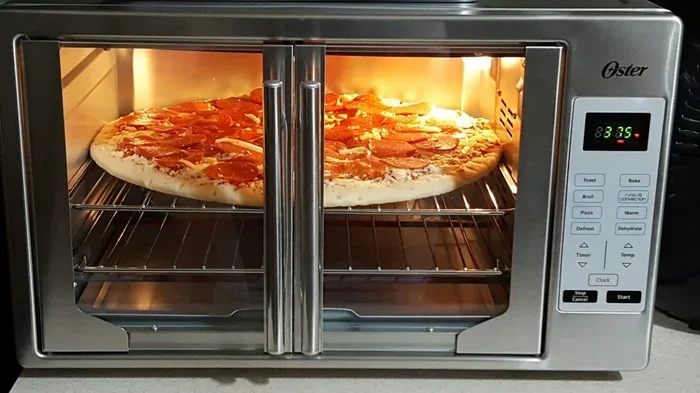
A toaster oven is a small, compact appliance that sits on your countertop. It acts as both a toaster and a mini oven. You can toast bread, bagels, and English muffins, but you can also bake small pizzas, reheat pizza slices, and roast vegetables.
Toaster ovens are incredibly popular because they are affordable and take up very little space. They preheat in minutes, which saves energy compared to heating up a full-size oven. Many models now come with settings like bake, broil, and even air fry.
The main limitation is size. A toaster oven is not going to fit a full turkey or a large casserole dish. But for quick meals, snacks, and small-batch cooking, they are hard to beat. They are a great option for dorm rooms, apartments, and anyone who wants a second oven.
Microwave Ovens
Microwave ovens use microwave radiation to heat food quickly. They are probably the most common appliance in kitchens around the world. People use them for reheating leftovers, defrosting frozen food, and making quick meals like popcorn or oatmeal.
Modern microwaves have come a long way. Many now include convection cooking, grilling, and even sensor cooking. A convection microwave combines the speed of a microwave with the browning and crisping ability of a regular oven. This makes it a versatile addition to any kitchen.
However, microwaves are not great for baking or anything that needs a crispy texture. They work by exciting water molecules in food, which means they do not brown or crisp the way an oven does. For a full cooking experience, you still need a traditional oven.
Wood-Fired Ovens
Wood-fired ovens use real wood as the fuel source. They have been around for thousands of years and are still beloved by pizza makers and bread bakers. The flavor that wood smoke adds to food is something you simply cannot replicate with other oven types.
These ovens can reach extremely high temperatures, often over 800 degrees Fahrenheit. That makes them perfect for Neapolitan-style pizza, which cooks in just 60 to 90 seconds. They are also fantastic for baking artisan bread with a crispy crust.
The downside is that wood-fired ovens require more effort. You need to build and maintain a fire, and they take time to heat up. They also need outdoor space or a dedicated area in your kitchen. They are a passion project for cooking enthusiasts, not a quick everyday solution.
Steam Ovens
Steam ovens use hot water vapor to cook food. They are gaining popularity because they are incredibly healthy. Cooking with steam preserves more nutrients, vitamins, and minerals than other cooking methods.
Steam ovens keep food moist without needing oil or fat. They are excellent for vegetables, fish, and chicken. The results are tender, flavorful, and visually appealing. Many high-end kitchens now include a steam oven or a combi oven that combines steam with traditional heat.
Steam ovens do not brown or crisp food on their own. That is why some models combine steam with convection heating. These combi ovens offer the best of both worlds but come at a higher price point.
Pizza Ovens
Pizza ovens are designed specifically for making pizza at home. They come in many shapes and sizes, from small countertop models to large outdoor units. Some use gas, some use wood, and others use electric heating elements.
The key benefit of a dedicated pizza oven is the high heat it can reach. A good pizza oven can hit 700 degrees or more, giving you that crispy, blistered crust you get at a pizzeria. They also cook pizza in just a few minutes.
For pizza lovers, a pizza oven is a game-changer. But if you rarely make pizza, it might not be worth the investment. These ovens are specialized, so they work best for people who cook pizza regularly.
How To Choose the Right Oven for Your Kitchen
Now that you know the different kinds of ovens, the next step is choosing one. This decision depends on several factors. Let us go through them one by one.
Consider Your Cooking Habits
Think about what you cook most often. Do you bake a lot? Do you roast vegetables and meats weekly? Or do you mostly reheat leftovers and make quick meals? Your cooking habits should guide your choice.
If you bake frequently, a standard electric or convection oven is your best bet. If you love pizza and bread, a wood-fired or pizza oven could be a fun addition. If you need speed and convenience, a microwave or toaster oven might be all you need.
Think About Kitchen Space
Space matters a lot when choosing an oven. A full-size wall oven takes up significant room in your kitchen. If you have a small kitchen, you might want to consider a countertop oven or a compact combination unit.
Measure the space you have available before you start shopping. Note the width, height, and depth. Also consider ventilation. Some ovens need space around them for proper airflow. Planning ahead saves headaches later.
Set a Realistic Budget
Ovens come in a wide price range. Basic toaster ovens can cost under $50. A quality electric range oven might run between $500 and $1,500. High-end convection or steam ovens can go well above $3,000.
Set a budget before you start looking. Remember to factor in installation costs too. Gas ovens, for example, may require a professional installer and a gas line connection. Electric ovens are usually simpler and cheaper to set up.
Check Energy Efficiency
Energy efficiency is an important but often overlooked factor. A more efficient oven saves money on your utility bills over time. Look for ovens with good insulation and energy-saving features.
Convection ovens are generally more efficient because they cook food faster. Toaster ovens also use less energy than a full-size oven since they heat up quickly and have a smaller cavity. Consider the long-term cost, not just the purchase price.
Read Reviews and Compare Features
Before you buy, read customer reviews and expert comparisons. Look for details on durability, temperature accuracy, ease of use, and warranty. Pay attention to features like self-cleaning, digital controls, and preset cooking modes.
A good rule of thumb is to compare at least three models before deciding. Write down the pros and cons of each. This simple step can save you from buyer’s regret and help you find the best oven for your needs.
Electric vs Gas Ovens: Which Is Better?
The debate between electric and gas ovens is one of the oldest in the kitchen appliance world. Both types have strong supporters, and both have clear advantages.
Temperature Control
Gas ovens give you instant heat. When you turn the knob, the flame ignites immediately. You can adjust the temperature quickly and precisely. This is why many professional cooks prefer gas.
Electric ovens take a bit longer to adjust. The heating element needs time to warm up or cool down. However, modern electric ovens with digital thermostats have gotten much better at maintaining a steady temperature.
Cost and Installation
Electric ovens are generally cheaper to buy and easier to install. You just plug them in or connect them to an existing outlet. Gas ovens cost more upfront because they need a gas line and sometimes professional installation.
Operating costs depend on where you live. In some areas, gas is cheaper than electricity, making gas ovens more affordable to run. In other areas, the opposite is true. Check your local utility rates before deciding.
Safety and Maintenance
Electric ovens are considered safer since there is no open flame. They also require less maintenance. Gas ovens need periodic checks to ensure the gas line and burner are working properly. A gas leak is a serious concern, so proper maintenance is essential.
Both types of ovens last a long time with proper care. A well-maintained oven can serve you for 15 to 20 years or more. The key is to clean it regularly and address any issues promptly.
Countertop and Compact Ovens for Small Spaces
Not everyone has a big kitchen with room for a full-size oven. If you live in an apartment, a tiny house, or a dorm, compact ovens are your best friend. They give you oven capabilities without taking up precious counter or floor space.
Countertop ovens come in many forms. Toaster ovens are the most basic. Air fryer ovens are a popular step up. And then there are countertop convection ovens that can handle almost anything a full-size oven can do.
The beauty of compact ovens is their versatility. You can toast, bake, roast, broil, and even air fry with a single countertop unit. Many models come with multiple racks and trays so you can cook more than one thing at a time.
When shopping for a compact oven, look at the interior capacity. Measure the space you have on your counter and make sure the oven fits. Also check the wattage, since higher wattage usually means faster and more even cooking.
Some great brands to explore include Breville, Cuisinart, Ninja, and Instant Vortex. Each offers different features at different price points. Reading a few reviews will help you narrow down the best option for your needs.
Specialty Ovens Worth Knowing About
Beyond the standard oven types, there are several specialty ovens that deserve a mention. These are niche products that serve specific cooking needs very well.
Air Fryer Ovens
An air fryer oven is essentially a compact convection oven. It uses a fan to circulate hot air around food, creating a crispy exterior with little or no oil. Air fryer ovens have exploded in popularity in recent years.
They are great for making fries, chicken wings, roasted vegetables, and even baked goods. Many people use them as a healthier alternative to deep frying. They also preheat faster than a full-size oven, which is a big plus for weeknight dinners.
Rotisserie Ovens
A rotisserie oven comes with a spit that slowly rotates meat while it cooks. This ensures even cooking and a beautiful, even brown on all sides. Whole chickens, roasts, and even large cuts of pork work wonderfully in a rotisserie oven.
Some countertop ovens include a rotisserie attachment as part of their accessory kit. If you love roasting meats, look for a model that supports this feature. It takes the guesswork out of cooking a perfect roast every time.
Self-Cleaning Ovens
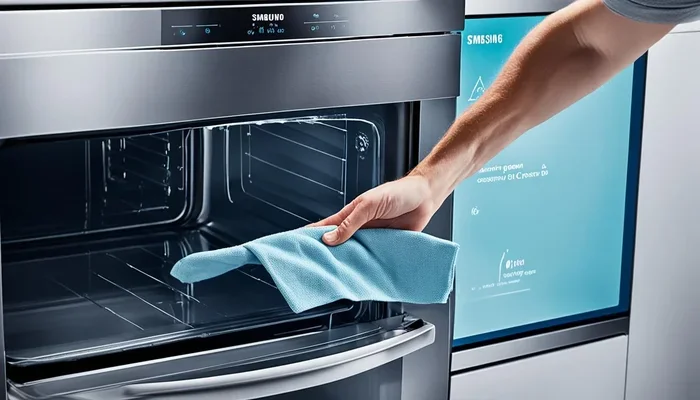
Self-cleaning ovens use high heat to burn off food residue and grease. After the cycle finishes, you simply wipe away the ash with a damp cloth. This feature saves a lot of scrubbing and makes oven maintenance much easier.
Self-cleaning ovens are available in both electric and gas models. They typically cost a bit more than standard ovens, but the convenience factor is hard to ignore. If you hate deep-cleaning your oven, this feature is worth considering.
Maintenance Tips to Keep Your Oven Running Strong
Once you have chosen the right oven, proper maintenance will keep it performing well for years. A well-cared-for oven cooks better, lasts longer, and stays safe.
Clean Regularly
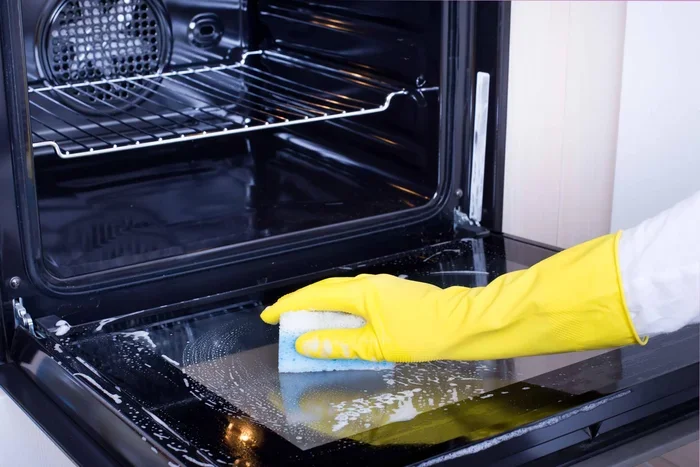
Wipe down the inside of your oven after spills. Grease and food buildup can cause smoke, odors, and even affect the taste of your food. Use gentle cleaners and avoid abrasive scrubbers that can damage the interior surface.
For gas ovens, clean the burner caps and ports regularly. Blocked ports can cause uneven flames and uneven cooking. A simple brush or toothpick can clear out debris and keep the flame steady.
Check the Door Seal
The rubber gasket around your oven door keeps heat inside the oven. If it becomes worn or damaged, heat escapes and your oven has to work harder. Check the seal periodically and replace it if needed. This simple step can improve energy efficiency and cooking performance.
Use Oven-Safe Cookware
Not all cookware is safe for oven use. Always check the manufacturer’s guidelines before placing a pan or dish inside. Using the wrong cookware can damage both the cookware and the oven. Stick to oven-safe materials like cast iron, stainless steel, and tempered glass.
Schedule Professional Maintenance
Even with good home care, it is wise to have a professional inspect your oven every few years. They can check the heating elements, gas lines, thermostat, and other components. Catching small issues early prevents costly repairs down the road.
Conclusion
Choosing the right oven does not have to be stressful. Now that you know the different kinds of ovens, from electric and gas to convection, toaster, and specialty models, you have the knowledge to make a confident decision. The best oven is the one that fits your cooking style, your kitchen space, and your budget.
Take your time, compare your options, and do not be afraid to ask questions. Whether you choose a full-size wall oven, a compact countertop model, or a fun wood-fired unit, the right oven will make your time in the kitchen more enjoyable. Happy cooking, and enjoy your new oven.
Frequently Asked Questions
What is the most common type of oven found in homes?
The most common type of oven in homes is the electric oven. It provides even heat, is easy to install, and works well for baking, roasting, and everyday cooking. Most modern kitchens come with an electric range as the standard setup.
Is a convection oven better than a regular oven?
A convection oven is generally better for even cooking and faster results. The fan circulates hot air, which reduces hot spots and shortens cooking times. However, it may not be ideal for delicate recipes like custards or soufflés that need a still environment.
Can I use a toaster oven for baking?
Yes, you can use a toaster oven for baking small batches of cookies, muffins, and even cakes. They work well for individual-sized portions. Just keep in mind that the smaller cavity may require adjusting cooking times and temperatures slightly.
What should I look for when buying an oven?
When buying an oven, consider your cooking habits, available kitchen space, budget, and energy efficiency. Look for features like convection, self-cleaning, digital controls, and a good warranty. Reading reviews helps you avoid common issues and find a reliable model.
How long does a typical oven last?
A well-maintained oven can last 15 to 20 years or more. Gas ovens and electric ovens both have long lifespans when properly cared for. Regular cleaning, checking seals, and addressing repairs early will help extend the life of your oven.
Are steam ovens worth the investment?
Steam ovens are worth it if you prioritize healthy cooking and nutrient preservation. They keep food moist without added fats and retain more vitamins. However, they are more expensive than standard ovens and work best for people who cook a lot of vegetables, fish, and lean proteins.
=== SEO Title ===
What Kind Of Ovens Are There And How To Choose Yours
=== META TITLE ===
What Kind Of Ovens Are There And How To Choose Yours
=== URL SLUG ===
what-kind-of-ovens-are-there-and-how-to-choose-yours
=== OPENING SUMMARY ===
There are many different kinds of ovens available, and choosing the right one can feel confusing at first. From classic electric ovens and gas ovens to compact countertop ovens and specialty wood-fired ovens, each type serves a unique purpose in the kitchen. This guide breaks down every oven type in simple terms and helps you figure out which one fits your cooking style, space, and budget. You will learn the pros and cons of each model and walk away with a clear plan to make the best choice for your home.