How To Cook Frozen Burgers In The Oven For Juicy Results
If you’re craving a burger but forgot to thaw the meat, don’t worry. How To Cook Frozen Burgers In The Oven is a simple, foolproof method that yields juicy, flavorful patties without any thawing. This guide covers temperature, timing, and pro tips so you can enjoy a homemade burger in under 30 minutes.
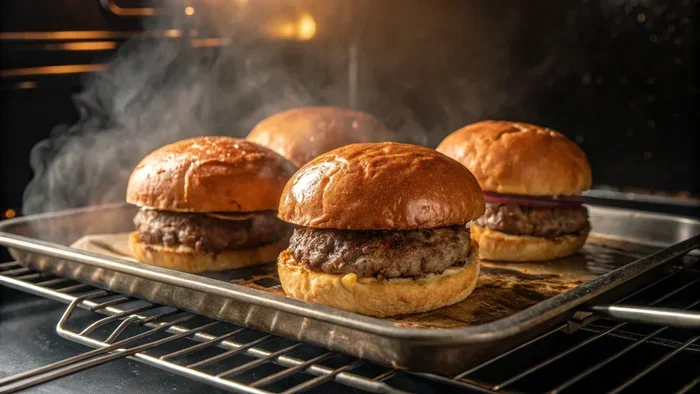
When you’re in the mood for a juicy burger, the last thing you want is to wait for meat to thaw. How To Cook Frozen Burgers In The Oven solves that problem instantly. You can go from freezer to dinner in under half an hour. This method works beautifully for frozen burger patties of all sizes. The oven surrounds the meat with gentle, even heat. That means no dry edges and no guesswork. Whether you’re feeding a crowd or meal prepping for the week, this technique delivers consistent results. You’ll get a crispy crust on the outside and a moist, juicy interior. The best part? You don’t need any special equipment. A basic baking sheet and a wire rack are all you need. Let’s walk through the exact steps so you can enjoy a perfect oven-baked burger tonight.
Many people assume that frozen burgers must be cooked on the stovetop. That’s not true. The oven offers hands-off cooking. You can prep your toppings and buns while the frozen patties do their thing. The dry heat of the oven also helps render the fat slowly. This creates a deeper, more beefy flavor than a quick skillet sear. I’ll show you how to nail the internal temperature every single time. You’ll never have a dry, overcooked burger again. So let’s dive into the details and turn those frozen patties into a delicious meal.
Key Takeaways
- Use a wire rack: It promotes airflow for crispy edges and even cooking.
- Preheat to 375°F: This temperature cooks frozen patties through without drying them out.
- Cook for 20-25 minutes: Flip halfway for a perfect sear on both sides.
- Check internal temperature: 160°F for beef ensures food safety and juiciness.
- Season after cooking: Frozen patties absorb salt better once they’re cooked.
- Add cheese in the last minute: It melts perfectly without overcooking the meat.
- Rest for 3 minutes: Letting the burger rest locks in juices.
📑 Table of Contents
- Why How To Cook Frozen Burgers In The Oven Is The Best Method
- Essential Equipment And Prep For How To Cook Frozen Burgers In The Oven
- The Step-By-Step Guide To How To Cook Frozen Burgers In The Oven
- How To Keep Burgers Juicy When Cooking From Frozen
- Common Mistakes And How To Avoid Them
- Quick Tips For Perfect How To Cook Frozen Burgers In The Oven
- Expert Insights And Pro Tricks For How To Cook Frozen Burgers In The Oven
- Conclusion: Mastering How To Cook Frozen Burgers In The Oven
Why How To Cook Frozen Burgers In The Oven Is The Best Method
Cooking frozen burgers in the oven is a game-changer for busy weeknights. It frees up your stovetop for side dishes. The oven’s ambient heat cooks the patty evenly from all sides. You avoid the common problem of a burnt exterior and a raw center. With oven-baked burgers, you get a uniform brown crust. The wire rack is the secret weapon here. It lifts the patty off the pan, allowing hot air to flow underneath. This creates a crispy texture on the bottom too. Compare that to a skillet, where the burger sits in its own grease and steams instead of crisping. The oven method also scales easily. You can cook four, six, or even eight patties at once without crowding. That makes it perfect for parties and family dinners.
Another advantage is the hands-off nature of oven cooking. Once you set the timer, you can prep lettuce, tomatoes, and condiments. There’s no need to flip constantly or monitor the heat. The frozen burger patties cook safely because the oven’s dry heat penetrates evenly. You’re not relying on a hot spot that might scorch one side. I’ve found that how to cook frozen burgers in the oven produces the most consistent juicy burgers for my family. It’s reliable and forgiving. Even if you forget about them for a minute or two, the oven temperature gives you a buffer. That’s why this method earns top marks for both flavor and convenience.
Oven-Baked vs. Stovetop: A Quick Comparison
Not sure which method to choose? Here’s a simple side-by-side look at the two most popular ways to cook frozen burgers. This table highlights the key differences so you can decide what works best for your situation.
| Method | Time | Result | Best For |
|---|---|---|---|
| Oven-Baked (from frozen) | 20-25 minutes | Evenly cooked, crispy edges, juicy center | Hands-off cooking and large batches |
| Stovetop (from frozen) | 15-20 minutes | Strong sear, risk of uneven cooking | Quick single burger when you’re in a rush |
| Air Fryer (from frozen) | 12-15 minutes | Crispy outside, very juicy inside | Small batches with extra crunch |
The oven method clearly wins for ease and consistency. You get a perfectly cooked patty without standing over the stove. It’s the ideal choice for no-thaw burgers that still taste homemade.
Quick Tips for Oven-Baked Success
- Always preheat your oven. A hot oven starts cooking the patty immediately, which helps seal in juices.
- Line the baking sheet with foil. This makes cleanup a breeze and catches any drips.
- Use a wire rack set over the sheet. This is the single most important tool for even browning.
- Don’t overcrowd the pan. Leave space between patties so hot air can circulate freely.
- Flip the burgers halfway. This ensures both sides develop a beautiful, crispy crust.
Essential Equipment And Prep For How To Cook Frozen Burgers In The Oven
Before you start, gather a few simple items. You don’t need anything fancy. The right tools make the process smoother and the results better. Here’s what you’ll need for perfect oven-baked burgers.
What You’ll Need
- Baking sheet: A standard half-sheet pan works great. It’s sturdy and fits most ovens.
- Wire cooling rack: This is the key to crispy bottoms and even airflow. A wire rack costs just a few dollars and lasts forever.
- Parchment paper or foil: Optional, but it saves cleanup time. Parchment also prevents sticking.
- Meat thermometer: This is the only reliable way to check internal temperature. It takes the guesswork out of doneness.
- Spatula: A thin, flexible spatula makes flipping easy without breaking the patty.
- Seasoning: Salt, pepper, garlic powder, or your favorite burger seasoning. You can add these before or after cooking.
Setting Up Your Baking Sheet
Place the wire rack on top of the baking sheet. The rack should sit flat and not wobble. If your rack is too small, use two sheets side by side. Line the sheet below with foil or parchment. This catches any grease and makes washing up a snap. Next, take your frozen burger patties out of the freezer. Do not remove them from their wrapper yet. Keep them cold until the moment you place them on the rack. This helps them hold their shape during the early stages of cooking. Once the oven is preheated, you’ll be ready to go.
The Step-By-Step Guide To How To Cook Frozen Burgers In The Oven
Now for the main event. Follow these simple steps and you’ll have juicy burgers on the table in no time. The process is straightforward and hard to mess up.
- Preheat the oven to 375°F (190°C). This is the sweet spot for cooking frozen patties through without drying them out. A hotter oven can burn the edges before the center is cooked.
- Prepare the baking sheet. Set the wire rack on the sheet. Line it with foil if you prefer easy cleanup.
- Place the frozen patties on the rack. Leave at least an inch between each burger. Air needs to flow around them for even cooking.
- Cook for 10 minutes. This initial bake starts the cooking process and begins to render the fat. The patties will still be cold in the middle.
- Flip the burgers carefully. Use a thin spatula to turn each one over. This is the moment when the crispy crust starts to form.
- Return to the oven for another 10-15 minutes. The total time depends on the thickness of the patty. A standard 1/3-pound patty usually needs 20-25 minutes total.
- Check the internal temperature. Insert a meat thermometer into the side of the patty. The target is 160°F (71°C) for ground beef. This ensures food safety and a juicy result.
- Rest the burgers for 3 minutes. Transfer them to a plate and let them sit. This allows the juices to redistribute, making every bite moist.
- Season, top, and serve. Add salt, pepper, cheese, or your favorite toppings. Serve on a toasted bun with fresh lettuce and tomato.
Temperature And Timing: The Key To Perfect Doneness
The oven temperature of 375°F is the foundation of this method. It’s hot enough to brown the surface and render the fat, but gentle enough to cook the interior without toughening it. If you prefer a thicker patty, you might need an extra 5 minutes. Thinner patties may be done in 15 minutes total. The internal temperature is the only true indicator of doneness. Color is not reliable with frozen patties because the outside can brown while the center remains cold. A meat thermometer takes the guesswork out of the equation. I always keep one in my kitchen drawer. It’s an inexpensive tool that elevates your frozen burger game immediately.
Flipping For Even Browning
Flipping the burger halfway through is essential. The first 10 minutes let the bottom develop a crispy crust without moving it. When you flip, the top side gets the same treatment. This creates a beautiful sear on both sides. Use a wide spatula and slide it gently under the patty. If the patty sticks, give it another 30 seconds on the first side. The rendered fat will release naturally. Avoid pressing down on the burger with the spatula. Pressing squeezes out the juices and leads to a dry frozen burger. Let the patty do the work.
Checking Doneness With A Thermometer
This is the most important step in how to cook frozen burgers in the oven. The internal temperature tells you exactly when the burger is safe and juicy. For ground beef, aim for 160°F. Insert the thermometer into the thickest part of the patty, ideally from the side so it hits the center. If the reading is 155°F, give it another 2-3 minutes. Remember that the temperature will rise a few degrees during the resting phase. That carryover cooking brings the patty to the perfect 160°F. Never skip this step if you want consistent, safe oven-baked burgers.
How To Keep Burgers Juicy When Cooking From Frozen
The biggest fear with frozen patties is dryness. After all, the freezer pulls out moisture. But with the right approach, you can achieve juicy burgers that rival a freshly thawed patty. The oven method actually helps retain moisture better than a hot skillet.
The Secret To Moisture Retention
The wire rack is your best friend here. By lifting the patty off the baking sheet, you prevent the bottom from sitting in a pool of grease. That grease would otherwise steam the meat and make it soggy. Instead, the hot air circulates around the entire frozen burger patty. The fat renders slowly and bastes the meat from within. This slow rendering creates a crispy crust while keeping the inside tender. Also, the 375°F temperature is low enough to cook the burger gently. High heat can shock the outside and squeeze out moisture. Gentle, steady heat is the key to a moist, juicy burger.
Seasoning Tips For Frozen Patties
You can season frozen patties in two ways. The first is to add salt and pepper right before they go in the oven. The dry seasoning will stick to the cold surface. The second method is to season after cooking. This works especially well for frozen burger patties because the salt draws out moisture during cooking, then the juices reabsorb it. I like to sprinkle a little garlic powder and onion powder after the flip. This adds a savory depth without burning the spices. If you’re using a burger seasoning blend, apply it after the patty is cooked and resting. That way the flavors stay bright and fresh.
Adding Cheese Without Overcooking
Cheese is the crowning glory of any burger. To melt cheese perfectly on oven-baked burgers, add it during the last minute of cooking. Right after you flip the patties, place a slice of cheese on each one. Return the pan to the oven for just 60 seconds. The residual heat will melt the cheese beautifully. You can also cover the pan loosely with foil for those 60 seconds. The trapped steam helps the cheese melt faster without drying out the meat. This trick works great with frozen patties because the patty is already close to done. The cheese just needs a gentle melt, not more cooking time.
Common Mistakes And How To Avoid Them
Even with a simple recipe, it’s easy to make small errors that affect the final result. Here are the most common mistakes people make when cooking frozen burgers in the oven, and how to fix them.
Skipping The Wire Rack
This is the number one mistake. Placing frozen patties directly on a baking sheet traps steam underneath. The bottom of the burger becomes soft and pale instead of crispy. The wire rack solves this completely. It’s a small investment that makes a huge difference. If you don’t have a rack, you can use a cooling rack placed on top of a baking sheet. Never skip this step if you want a crispy crust on every side.
Overcooking The Edges
Because frozen patties are solid, the edges can overcook before the center is done. This happens when the oven is too hot. A temperature of 375°F is ideal. Higher temperatures like 425°F will brown the edges too quickly and leave the center undercooked. Stick to the recommended temperature and use a meat thermometer. If your oven runs hot, use an oven thermometer to verify the actual temperature. An inaccurate oven dial can ruin your oven-baked burgers without you knowing.
Pressing Down On The Patties
It’s tempting to press the burger flat with a spatula to speed up cooking. Don’t do it. Pressing squeezes out the juices and fat. You’ll end up with a thin, dry patty that has lost all its flavor. Let the frozen burger patty cook undisturbed. The crispy crust will form naturally. The result is a plump, juicy burger with a beautiful sear. Patience pays off here.
Forgetting To Rest The Burger
Resting is just as important for oven-baked burgers as it is for a steak. When you take the patty out of the oven, the juices are bubbling intensely. If you cut into it immediately, those juices run out onto the plate. The burger becomes dry. Let it rest for 3 minutes on a plate or cutting board. The juices will redistribute and stay inside the meat. This small pause makes a noticeable difference in the final bite.
Quick Tips For Perfect How To Cook Frozen Burgers In The Oven
Here are some extra nuggets of wisdom to take your frozen burgers from good to great. These quick tips address common questions and help you troubleshoot on the fly.
- Can you cook frozen burgers from the freezer without thawing? Absolutely. The how to cook frozen burgers in the oven method is designed for this. Just add a few extra minutes to the cooking time.
- What if the burger is thicker than 3/4 inch? Add 5 minutes to the total cook time. Check the internal temperature to be sure it reaches 160°F.
- Can you cook multiple burgers at once? Yes, as long as they don’t touch. Use two baking sheets if needed. The oven can handle them easily.
- Is it safe to eat a frozen burger that’s slightly pink inside? No. Always rely on the meat thermometer. 160°F is the safe temperature for ground beef, regardless of color.
- What’s the best bun for oven-baked burgers? A sturdy brioche or potato bun holds up well. Toast it cut-side down on the baking sheet during the last 2 minutes of cooking.
Expert Insights And Pro Tricks For How To Cook Frozen Burgers In The Oven
I’ve cooked hundreds of frozen burgers in the oven, and a few pro tricks make the process even better. These insights come from professional kitchen techniques adapted for home cooking.
The Smash Burger Oven Method
Want a crispy, thin burger with maximum surface area? You can adapt the smash burger technique for the oven. Take your frozen patty and let it soften for 5 minutes. Then place it on a hot, oiled baking sheet and press it flat with a spatula or a burger press. The thinner patty will cook faster, in about 12-15 minutes total. Flip it carefully. You’ll get a crispy, craggy crust that resembles a diner-style smash burger. This method works beautifully for no-thaw burgers and delivers an incredible texture. The key is to get the pan ripping hot before you add the patty. A sizzle when it hits the sheet means you’re ready.
Cooking Multiple Burgers At Once
The oven shines when you need to cook a large batch. You can fit 6 to 8 patties on a single sheet pan if you use two wire racks stacked with a baking sheet between them. This creates a multi-level setup that maximizes oven space. The airflow remains excellent because the racks don’t block each other. Just rotate the pans halfway through cooking for even browning. This is perfect for game day or a family gathering. You can have juicy burgers on the table in the same time it takes to cook one or two.
Using A Cast Iron Skillet In The Oven
If you have a cast iron skillet, you can use it instead of a wire rack. Preheat the skillet in the oven before placing the frozen patties inside. The hot cast iron will sear the bottom immediately, creating a fantastic crust. You’ll still need to flip the burger halfway. This method adds a subtle, smoky flavor that a regular baking sheet can’t match. Just be careful when handling the hot skillet. Use thick oven mitts. The result is a crispy, seared frozen burger with a restaurant-quality finish.
Conclusion: Mastering How To Cook Frozen Burgers In The Oven
How To Cook Frozen Burgers In The Oven is a skill that transforms your freezer into a source of quick, delicious meals. You now know the exact temperature, the ideal timing, and the essential tools. The wire rack and meat thermometer are your best allies. They ensure every patty comes out juicy, safe, and beautifully browned. This method works for frozen burger patties of any size, from quarter-pounders to smaller sliders. You can feed a family of four or host a backyard barbecue with ease. The oven does the work for you, so you can focus on the fun parts: picking toppings and toasting buns.
Remember to always preheat to 375°F, flip halfway, and check the internal temperature. Avoid common mistakes like skipping the rack or pressing the patty flat. With these steps, your oven-baked burgers will be consistently juicy and flavorful. The frozen patties will taste as if you took the time to thaw them properly. That’s the magic of this method. So the next time you forget to take the meat out of the freezer, don’t panic. You have all the tools and knowledge to create a perfect burger in under 30 minutes. Get in the kitchen, fire up the oven, and enjoy a juicy burger that’s ready when you are.
Frequently Asked Questions
Can I cook frozen burgers in the oven without thawing them first?
Yes, absolutely. How To Cook Frozen Burgers In The Oven is designed for cooking directly from the freezer. You simply add a few extra minutes to the cooking time. The oven’s even heat penetrates the frozen patty safely, giving you a juicy result without any thawing.
What is the best temperature to cook frozen burgers in the oven?
The ideal temperature is 375°F (190°C). This heat level cooks the patty through evenly without drying out the edges. It allows the fat to render slowly, creating a crispy crust while keeping the inside moist and juicy.
How long does it take to bake a frozen burger patty in the oven?
A standard 1/3-pound frozen patty takes about 20-25 minutes total at 375°F. You should flip the patty halfway through for even browning. Always use a meat thermometer to confirm the internal temperature reaches 160°F for food safety.
Do I need a wire rack to cook frozen burgers in the oven?
Yes, a wire rack is highly recommended. It lifts the patty off the baking sheet, allowing hot air to circulate underneath. This creates a crispy crust on the bottom and prevents the burger from steaming in its own grease. Without a rack, you risk a soggy, unevenly cooked patty.
Can I add cheese to a frozen burger while it’s cooking in the oven?
You can, but add the cheese during the last minute of cooking. Right after you flip the patty, place a slice of cheese on top and return it to the oven for about 60 seconds. The residual heat will melt the cheese perfectly without overcooking the meat.
Is it safe to eat a burger that’s cooked from frozen?
Yes, it is safe as long as the internal temperature reaches 160°F (71°C). The oven’s dry heat cooks the patty evenly from the outside in, eliminating any risk of a cold center. Always use a meat thermometer to verify doneness, regardless of the patty’s starting temperature.