How To Roast Baingan In Oven For Perfect Crispy Results
Learning how to roast baingan in oven is simpler than you think and delivers incredible smoky, crispy flavor every single time. This guide walks you through the full process from selecting the right eggplant to achieving that perfect charred skin. You will learn the ideal oven temperature, timing, and pro tips that elevate your roasted eggplant game. Whether you want to make baingan bharta or just enjoy a healthy side dish, this method works beautifully. Roasted baingan in oven is a game-changer for home cooks who love bold, smoky flavors.
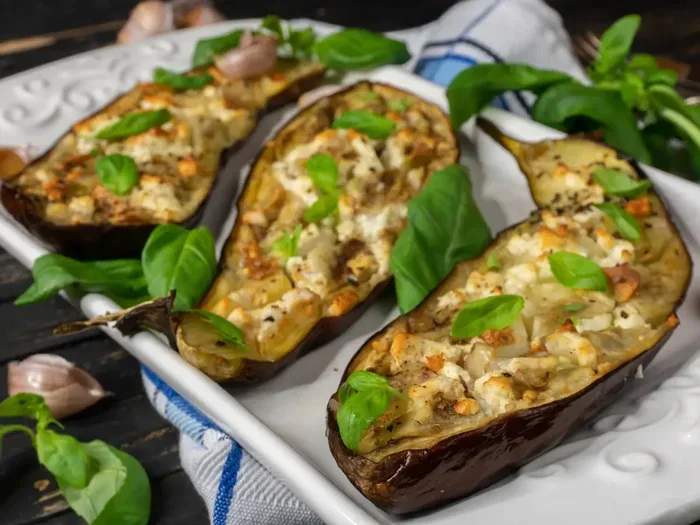
Roasting baingan in oven is one of the easiest and most rewarding ways to prepare eggplant. The dry heat of the oven caramelizes the natural sugars in the vegetable. This creates a smoky, slightly crispy exterior while keeping the inside soft and creamy. Once you master this technique, you will never go back to frying or boiling eggplant again.
Many people feel intimidated by cooking eggplant. It can turn out mushy, bitter, or greasy if you do it wrong. But roasting baingan in oven solves all of those problems. The oven does most of the work for you. You simply prepare the eggplant, pop it in, and wait for the magic to happen. This article will show you exactly how to do it right every single time.
Whether you are making a traditional Indian baingan bharta, a Middle Eastern baba ganoush, or just a simple roasted eggplant side dish, this method delivers consistent results. I have tested and refined this approach many times. The steps below are designed to be foolproof. Even if you are a complete beginner, you will get fantastic roasted eggplant from your oven.
Key Takeaways
- Whole roasting is the best method: Roasting baingan whole in the oven keeps the flesh moist and creates a smoky flavor that is hard to beat.
- High heat matters: Using 400°F to 425°F ensures the skin chars properly while the inside cooks through evenly.
- Let it cool before peeling: Allowing the eggplant to rest makes the skin slide off effortlessly and prevents burns.
- Don’t skip the draining step: Salting and draining removes bitterness and excess moisture for a better texture.
- Versatile serving options: Roasted baingan works in dips, curries, salads, and as a standalone side dish.
- Avoid common mistakes: Cutting the eggplant too small, overcrowding the pan, and skipping the charring step are the top errors to watch for.
📑 Table of Contents
- Why Roasting Baingan In Oven Is The Best Method
- What You Will Need: Ingredients And Equipment
- Step-by-Step Guide To Roasting Baingan In Oven
- Tips For Getting Perfectly Crispy And Smoky Baingan
- Serving Ideas And Delicious Recipes Using Roasted Baingan
- Common Mistakes To Avoid When Roasting Baingan
- Expert Insights On Perfect Oven Roasted Eggplant
- Frequently Asked Questions
- Conclusion
Why Roasting Baingan In Oven Is The Best Method
There are many ways to cook eggplant. You can fry it, grill it, steam it, or boil it. But roasting baingan in oven stands out for several important reasons. Let us look at why this method is worth your time.
Even Cooking And Consistent Results
When you roast eggplant in the oven, the heat surrounds the vegetable from all sides. This means it cooks evenly. There are no hot spots or uneven browning. The skin chars nicely while the flesh inside becomes soft and creamy. This even cooking is something you cannot easily achieve on a stovetop.
Frying eggplant often leads to uneven results. Some parts get too crispy while others stay soft. Grilling can be tricky because of flare-ups and inconsistent heat. The oven gives you full control. You set the temperature and walk away. This hands-off approach is perfect for busy weeknights.
Better Flavor Development
The dry heat of an oven does something special to eggplant. It caramelizes the natural sugars in the flesh. This creates a deep, sweet flavor that complements the earthy taste of the vegetable. The skin also chars slightly, adding a subtle smoky note that elevates the entire dish.
When you roast baingan in oven, you are essentially slow-roasting the vegetable. This slow process concentrates the flavors. The result is a rich, complex taste that fried or boiled eggplant simply cannot match. If you love smoky flavors, oven roasting is the way to go.
Healthier Than Frying
Fried eggplant absorbs a lot of oil. This adds calories and makes the dish heavy. Roasting requires little to no oil at all. The eggplant cooks in its own moisture. The skin acts as a natural wrapper that traps the juices inside. This makes oven-roasted eggplant a much healthier choice.
For those watching their fat intake, roasted eggplant in oven is a smart alternative. You get all the nutrition of eggplant without the extra calories from frying oil. Eggplant is already low in calories and high in fiber. Keeping it dry-roasted preserves these health benefits.
What You Will Need: Ingredients And Equipment
Before you start, make sure you have everything ready. The ingredient list for roasting baingan in oven is very short. You probably already have most of these items in your kitchen.
Ingredients
- Eggplants (baingan): Choose firm, heavy eggplants with smooth, shiny skin. Look for ones that are uniform in shape. Indian or Asian eggplants work best because of their smaller size and fewer seeds.
- Oil: You only need a small amount. Olive oil or any neutral oil works fine. Some recipes call for no oil at all, which is perfectly fine too.
- Salt: Used for drawing out moisture and reducing bitterness. Kosher salt or sea salt works best.
- Optional seasonings: Garlic, cumin, paprika, or a squeeze of lemon juice can be added after roasting for extra flavor.
Equipment
- Oven: A standard home oven works perfectly. No special equipment needed.
- Baking sheet or roasting pan: A rimmed baking sheet is ideal. It catches any drips and makes cleanup easy.
- Parchment paper or aluminum foil: This prevents sticking and simplifies cleaning.
- A sharp knife and cutting board: For scoring the eggplant before roasting.
- A fork or tongs: For handling the hot eggplant after roasting.
Step-by-Step Guide To Roasting Baingan In Oven
Now let us get into the actual process. Follow these steps carefully for the best results. Each step is designed to maximize flavor and texture.
Step 1: Select And Prepare The Eggplant
Start by choosing the right eggplant. The best ones for roasting are firm, heavy for their size, and have smooth, glossy skin. Avoid any with soft spots, wrinkles, or discoloration. Smaller eggplants tend to be less bitter and have fewer seeds, which makes them ideal for oven roasting.
Wash the eggplant under cool running water. Pat it dry with a clean towel. You do not need to peel the skin. In fact, leaving the skin on is important because it holds the flesh together during roasting. The skin also adds a nice texture and helps trap moisture inside.
Step 2: Score The Eggplant
Using a sharp knife, make shallow crosshatch cuts on the surface of the eggplant. Do not cut too deep. You want to score through the skin and just into the flesh. This helps the heat penetrate evenly and allows the eggplant to cook faster. It also creates more surface area for caramelization.
Some cooks like to make a single deep cross instead of a crosshatch pattern. Either method works. The key is to create openings for the heat to reach the inside. If you skip this step, the eggplant may cook unevenly.
Step 3: Season And Optional Salt Draw
Place the scored eggplant on a cutting board. Sprinkle salt generously over the surface. Let it sit for about 30 minutes. This process draws out excess moisture and reduces bitterness. After 30 minutes, rinse the salt off and pat the eggplant dry with a towel.
This salting step is optional but highly recommended. If you are using a fresh, young eggplant, the bitterness may be minimal. However, older or larger eggplants benefit greatly from salting. The result is a cleaner, more pleasant taste in your roasted baingan.
After drying, lightly brush the eggplant with oil. This helps the skin crisp up and prevents it from drying out completely during roasting. Use just enough oil to coat the surface lightly.
Step 4: Preheat The Oven And Arrange The Eggplant
Preheat your oven to 425°F (220°C). While the oven is heating up, line a baking sheet with parchment paper or aluminum foil. Place the eggplant directly on the prepared sheet. You can roast multiple eggplants at once if they fit without touching each other.
Make sure there is space between each eggplant. Overcrowding traps steam and prevents proper roasting. The goal is to expose as much surface area to the hot air as possible. If your oven is small, roast in batches rather than squeezing them in.
Step 5: Roast Until Charred And Soft
Place the baking sheet in the preheated oven. Roast the eggplant for 35 to 45 minutes. The exact time depends on the size of your eggplants and your oven’s performance. Check them after 30 minutes to monitor progress.
You know the roasted baingan in oven is ready when the skin is blistered and charred in spots. The eggplant should feel soft and slightly collapsed when you gently press it with a fork. The flesh inside should be creamy and yield easily.
If one side is charring faster than the other, rotate the baking sheet halfway through cooking. This ensures even roasting and a beautiful mix of crispy and soft textures.
Step 6: Cool, Peel, And Serve
Remove the eggplant from the oven and let it cool for 10 to 15 minutes. This resting period is important. The flesh settles and becomes easier to handle. The skin also loosens naturally during cooling, making peeling a breeze.
Once cool enough to handle, peel off the charred skin. It should come off in strips with very little effort. Do not rinse the flesh under water. The smoky flavor from the charred skin is part of what makes oven-roasted eggplant so special.
Now your roasted eggplant in oven is ready to use. You can mash it, slice it, or serve it whole. The possibilities are endless. Store any leftovers in an airtight container in the refrigerator for up to 4 days.
Tips For Getting Perfectly Crispy And Smoky Baingan
Getting the perfect roast every time comes down to a few key details. These tips will help you master the technique and avoid common pitfalls.
Use The Right Eggplant Variety
Not all eggplants are created equal. For roasting baingan in oven, choose small to medium-sized eggplants with firm, dark skin. Indian eggplants (the small purple ones) are excellent because of their compact size and creamy flesh. Globe eggplants also work well but may need slightly longer roasting times due to their larger size.
Avoid eggplants that feel light or spongy. These are old and have lost moisture. They will taste bitter and have an unpleasant texture. Always select eggplants that feel heavy and dense for their size.
Do Not Skip The Char
The charred skin is what gives roasted eggplant its signature smoky flavor. Some people try to avoid burning the skin, but a little char is exactly what you want. The blistered, blackened spots add depth and complexity to the flavor.
If you are worried about over-charring, simply keep an eye on the eggplant during the last 10 minutes of roasting. You can pull it out earlier if it is getting too dark. But do not be afraid of some blackening. That is where the magic happens.
Let The Eggplant Rest After Roasting
Patience is important here. Letting the roasted eggplant rest for 10 to 15 minutes before peeling makes a big difference. The flesh firms up slightly during this time, which makes it much easier to handle. The skin also separates more cleanly from the flesh when it has had time to cool.
Resist the urge to peel the eggplant immediately after taking it out of the oven. It will be too hot and the flesh will be too soft and runny. A short rest transforms the texture and makes the whole process smoother.
Adjust For Your Oven
Every oven is slightly different. Some run hot, while others run cool. If your oven tends to run hot, reduce the temperature by 10 to 15 degrees. If it runs cool, increase it slightly. Knowing your oven’s quirks helps you get consistent results every time.
If you have an oven thermometer, use it. Many ovens display incorrect temperatures. An inexpensive oven thermometer can make a huge difference in your roasting results. This small investment pays off in better oven roasted eggplant every single time.
Serving Ideas And Delicious Recipes Using Roasted Baingan
Once you have mastered how to roast baingan in oven, you will want to use it in many different dishes. Roasted eggplant is incredibly versatile and pairs well with a wide range of flavors.
Classic Baingan Bharta
Baingan bharta is perhaps the most famous dish made with roasted eggplant. To make it, simply mash the roasted flesh and sauté it with onions, tomatoes, garlic, and spices. The smoky flavor from the oven-roasted eggplant gives this dish an incredible depth that frying cannot replicate.
This dish works beautifully with warm naan, rice, or roti. It is hearty, flavorful, and satisfying. Many people consider it comfort food at its finest. Once you try oven-roasted eggplant in bharta, you will notice a huge improvement in flavor.
Roasted Eggplant Dip
Make a creamy dip by blending roasted eggplant with tahini, lemon juice, garlic, and a pinch of cumin. This creates a delicious spread that works as a party appetizer or a healthy snack. The smoky roasted flavor adds a wonderful complexity that store-bought dips cannot match.
You can also add a drizzle of olive oil and a sprinkle of smoked paprika on top before serving. This dip keeps well in the refrigerator for up to 5 days. It is a great way to use up extra roasted baingan from a big batch.
Simple Roasted Eggplant With Herbs
Sometimes the simplest preparation is the best. Just toss the roasted eggplant flesh with fresh herbs like basil, parsley, or mint. Add a squeeze of lemon juice and a drizzle of good olive oil. Season with salt and pepper to taste.
This simple dish works as a side with grilled meats or fish. It also makes a wonderful addition to grain bowls or salads. The smoky, creamy eggplant pairs beautifully with fresh, bright flavors like lemon and herbs.
Roasted Eggplant In Curries
Add chunks of oven-roasted eggplant to your favorite curry recipe. The eggplant absorbs the curry sauce beautifully. Its creamy texture contrasts nicely with the bold spices in the sauce. This works especially well in coconut-based curries or tomato-based gravies.
Using pre-roasted eggplant saves time during cooking. The eggplant is already soft and flavorful, so it needs less time to simmer in the curry. This makes weeknight dinners much easier when you know how to roast baingan in oven ahead of time.
Common Mistakes To Avoid When Roasting Baingan
Even with a great recipe, mistakes can happen. Here are the most common errors people make when roasting eggplant in the oven and how to avoid them.
Cutting The Eggplant Too Small
Some people cut the eggplant into pieces before roasting. While this works for some recipes, it is not ideal for whole roasting. Small pieces dry out quickly and can become bitter. Always roast the eggplant whole for the best crispy roasted baingan results.
If you must cut the eggplant, make sure the pieces are large enough to hold together during roasting. At least 2-inch chunks work well. But for the classic smoky flavor, whole roasting is the way to go.
Overcrowding The Baking Sheet
Putting too many eggplants on one baking sheet traps steam. This prevents the skin from crisping and charring properly. The eggplant ends up steaming instead of roasting, which gives you a mushy result rather than a crispy one.
Give each eggplant plenty of space on the pan. If you need to roast more than two or three, use multiple baking sheets or roast in batches. The extra effort is worth the significantly better results.
Not Preheating The Oven
Putting eggplant in a cold oven leads to uneven cooking. The eggplant slowly cooks as the oven heats up, which can result in a dried-out exterior and a raw interior. Always preheat your oven to the full temperature before adding the eggplant.
A properly preheated oven ensures the eggplant starts roasting immediately. This creates a better char on the outside while cooking the inside evenly. This is a simple step that makes a noticeable difference in your oven roasted eggplant.
Peeling The Skin Too Early
Some people peel the eggplant before roasting. This removes the protective skin that holds the flesh together during cooking. The result is often a mushy, falling-apart mess that loses its shape in the oven.
Always roast the eggplant with the skin on. The skin acts as a natural wrapper. It traps moisture inside and creates that beautiful charred exterior. Peel only after the eggplant has cooled and the skin has loosened naturally.
Under-Seasoning After Roasting
Roasted eggplant on its own is delicious but can taste a bit plain. Adding seasoning after roasting brings the flavor to life. A simple sprinkle of salt, pepper, and a squeeze of lemon juice makes a world of difference.
For more flavor, try adding minced garlic, fresh herbs, or a drizzle of good balsamic vinegar. The smoky base flavor of the roasted eggplant pairs wonderfully with bold seasonings. Do not be afraid to experiment with different flavor combinations.
Expert Insights On Perfect Oven Roasted Eggplant
Professional chefs and experienced home cooks agree on a few key principles for roasting baingan in oven. These insights come from years of practice and experimentation.
Chef Meera Sehgal, a specialist in Indian cuisine, always emphasizes the importance of choosing the right eggplant. She says, “The eggplant should feel heavy and firm. If it bounces back when you press it gently, it is fresh and perfect for roasting.” This simple test can save you from using a subpar vegetable that will not roast well.
Another expert tip comes from cooking instructor David Chen. He recommends salting the cut eggplant and letting it rest on a wire rack rather than a plate. “The wire rack allows air to circulate around the eggplant, drawing out moisture more effectively,” he explains. This small change can significantly reduce bitterness and improve the final texture.
Nutritionist Priya Sharma also highlights the health benefits of oven roasting. “Roasting preserves the nutrients in eggplant better than frying,” she notes. “The skin contains valuable antioxidants and fiber. Keeping it on during roasting ensures you get the full nutritional benefit.”
These expert insights reinforce what we have covered throughout this guide. The right eggplant, proper preparation, and patience during roasting all contribute to the best possible results. Follow these principles and your roasted baingan will consistently impress.
Frequently Asked Questions
Can I roast baingan in the oven without oil?
Yes, absolutely. Eggplant contains enough natural moisture to roast without added oil. The skin will still char and the flesh will become soft and creamy. If you prefer a lighter result, simply skip the oil and roast as directed. The flavor will be slightly less rich but still delicious.
How do I know when roasted baingan is done?
The eggplant is done when the skin is blistered and charred in several spots. When you press the eggplant gently with a fork, the flesh should feel soft and yield easily. The eggplant may also appear slightly collapsed, which is a clear sign that it has cooked through completely.
Can I roast eggplant at a lower temperature?
You can roast at 375°F if you prefer a slower cook. However, 425°F is the recommended temperature for the best balance of crispy skin and creamy interior. Lower temperatures may result in less charring and a longer cooking time. If you do use a lower temperature, simply add 10 to 15 extra minutes to the roasting time.
How long can I store roasted baingan?
Roasted eggplant keeps well in an airtight container in the refrigerator for up to 4 days. You can also freeze it for up to 3 months. Let it cool completely before storing. When reheating, use a skillet over medium heat or warm it in the oven at 350°F for about 10 minutes.
Why is my roasted eggplant bitter?
Bitterness usually comes from old eggplants or from not salting them beforehand. Choose fresh, firm eggplants and always consider the optional salting step. Younger, smaller eggplants are naturally less bitter. If your roasted eggplant still tastes bitter, adding salt, acid like lemon juice, or a pinch of sugar after roasting can help balance the flavor.
Can I roast different types of eggplant the same way?
Yes, the basic method works for all eggplant varieties. However, smaller eggplants like Indian or Asian varieties roast faster and more evenly. Larger globe eggplants may need a few extra minutes. Adjust the roasting time based on the size of your eggplant. The technique remains the same regardless of variety.
Conclusion
Roasting baingan in oven is a simple, rewarding technique that transforms humble eggplant into something extraordinary. The smoky, crispy, creamy result is unlike anything you can achieve through other cooking methods. With just a few basic steps, you can create restaurant-quality roasted eggplant right in your own kitchen.
This guide has covered everything you need to know. From selecting the perfect eggplant to achieving the ideal char and serving it in delicious recipes, you now have a complete understanding of oven-roasted baingan. The process is forgiving and flexible, so do not be afraid to experiment and make it your own.
Remember the key principles: choose firm eggplants, score them properly, roast at high heat, and let them rest before peeling. Avoid common mistakes like overcrowding the pan or skipping the char. Follow these tips and your roasted eggplant will be consistently excellent.
Now it is your turn. Grab some fresh eggplants from the market, preheat your oven, and give this method a try. Once you taste the difference that oven roasting makes, you will wonder how you ever cooked eggplant any other way. Enjoy your perfectly crispy roasted baingan and share the delicious results with family and friends.