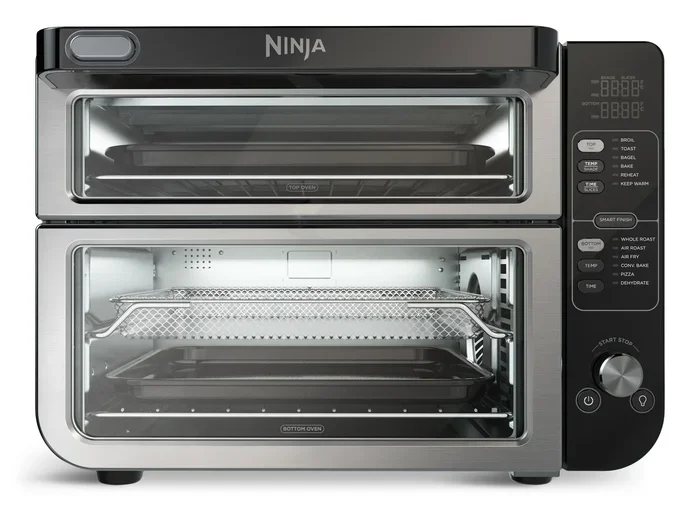
Can A Convection Oven Be Gas And What You Should Know
Yes, a convection oven can absolutely be gas-powered. A gas convection oven uses a fan and a gas burner to circulate hot air for faster, more even cooking. Whether you are choosing a gas range with convection or upgrading your kitchen, understanding how these ovens work helps you cook better and save energy.
Have you ever stood in front of your oven wondering if you are getting the most out of your cooking appliance? Maybe you just bought a new gas range with convection and are not sure how to use it. Or perhaps you are shopping for a new oven and keep asking yourself, can a convection oven be gas?
The short answer is yes. A gas convection oven is a real thing, and it is more common than you might think. In fact, many home cooks prefer gas convection ovens because they combine the warmth of gas flames with the efficiency of a fan. This powerful combo delivers faster cooking times, better browning, and more even results every time.
In this article, we will walk you through everything you need to know about gas convection ovens. We will cover how they work, what sets them apart from electric models, and whether they are worth the investment. By the end, you will feel confident about your choice and ready to cook like a pro.
Key Takeaways
- Gas convection ovens exist and work well: They combine gas heat with a fan for even cooking.
- They cook faster than regular ovens: The fan reduces cooking times by up to 25 percent.
- You get better browning and crispiness: Circulating hot air creates superior results on roasts and baked goods.
- Gas convection vs electric convection matters: Each type has unique benefits for different cooking styles.
- Temperature adjustments are key: You typically need to lower the heat by 25°F when using convection mode.
- They are energy efficient: Faster cooking times mean less gas and lower utility bills.
- Maintenance is simple: Regular cleaning keeps your gas convection oven performing at its best.
📑 Table of Contents
What Is a Gas Convection Oven?
A gas convection oven uses natural gas or propane as its heat source. It also has a fan inside that circulates hot air around the food. This fan-assisted system is what makes convection different from a standard oven. Instead of relying only on radiant heat from the top and bottom elements, the fan blows hot air directly onto your food from all sides.
Think of it like this. A regular oven is like sitting next to a campfire. You feel the warmth, but it only hits one side at a time. A gas convection oven is like standing in a warm breeze. The heat surrounds you evenly from every direction. This means your food cooks faster and more uniformly.
How Does the Fan Help?
The fan in a gas convection oven does a few important things. First, it spreads heat evenly across the entire oven cavity. No more hot spots or cold zones. Second, it speeds up the cooking process. The moving hot air transfers heat to the food faster than still air ever could. Third, it helps with browning. The constant flow of hot air dries the surface of your food quickly, giving you that perfect golden crust.
Gas Convection vs Regular Gas Oven
A regular gas oven heats from a single burner at the bottom. The heat rises naturally but does not move around much. This creates temperature differences inside the oven. A gas convection oven solves this problem with the added fan. The result is more consistent temperatures and better cooking performance.
Here is a quick comparison of the two types:
- Heat distribution: Regular gas ovens have uneven heat. Convection gas ovens spread heat evenly.
- Cooking time: Convection ovens cook about 25 percent faster than regular gas ovens.
- Browning: Convection ovens brown food better because of the constant airflow.
- Temperature settings: Convection ovens usually need a 25°F reduction in temperature.
- Energy use: Convection ovens use less energy because they cook faster.
Can a Convection Oven Use Gas?
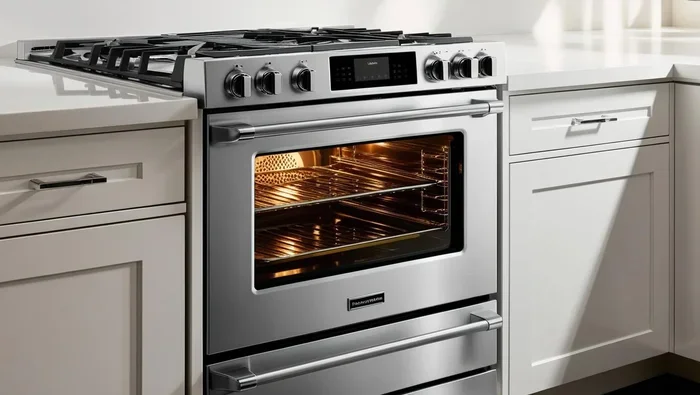
Absolutely. A gas convection oven runs on natural gas or propane, just like a standard gas oven. The only difference is the addition of a convection fan and sometimes a third heating element at the back. Most major appliance brands offer gas ranges with built-in convection, so finding one is not hard.
You might wonder if the gas flame affects the fan somehow. It does not. The fan and the gas burner work completely independently. The gas heats the oven cavity, and the fan moves that heated air around. This setup gives you the best of both worlds. You get the precise temperature control of gas combined with the efficiency of convection.
How Gas Convection Ovens Heat Up
When you turn on a gas convection oven, the gas burner ignites at the bottom. This creates a steady source of heat. At the same time, the convection fan starts spinning. It pushes the heated air through the oven and back around again. This cycle continues until the oven reaches your set temperature.
Some models also include a rear heating element. This element boosts the fan’s performance. It ensures the air moving through the oven is as hot as possible. The result is even faster cooking and more reliable results.
Types of Gas Convection Ovens
Not all gas convection ovens are the same. Here are the main types you will find on the market:
- Standard gas convection ovens: These have a fan and a gas burner. They work well for everyday cooking and baking.
- Dual fuel ranges: These use gas on top for cooking and electric convection in the oven. They offer the best of both fuel types.
- Commercial gas convection ovens: These are built for heavy-duty use in restaurants and bakeries. They are larger and more powerful.
- Countertop gas convection ovens: These are smaller units you can place on your countertop. They are great for small kitchens or extra cooking space.
Benefits of Using a Gas Convection Oven
Switching to or buying a gas convection oven comes with many advantages. Let us look at the biggest benefits that home cooks love.
Faster Cooking Times
The fan in a gas convection oven moves hot air around the food. This means your meals cook faster. In many cases, you can reduce cooking time by 25 percent. This is a huge time-saver, especially on busy weeknights when you need dinner on the table quickly.
More Even Cooking
One of the biggest frustrations with regular ovens is uneven cooking. Some parts of your dish burn while other parts stay undercooked. A gas convection oven eliminates this problem. The fan pushes hot air evenly, so every part of your food gets the same amount of heat. Your roasts come out perfectly done from edge to center.
Better Browning and Crispiness
If you love crispy chicken skin or perfectly browned casseroles, a gas convection oven is your best friend. The constant airflow dries the surface of food quickly. This creates a beautiful golden-brown crust that is hard to achieve with a regular oven. Your baked goods also come out with better color and texture.
Energy Efficiency
Because a gas convection oven cooks faster, it uses less gas overall. This means lower energy bills over time. It also means your kitchen stays cooler since the oven spends less time running. During the summer months, this can make a real difference in your home’s comfort.
Versatility in Cooking
A gas convection oven can handle almost anything you throw at it. You can roast meats, bake bread, cook pizzas, and even make pastries. Many models also include special settings like convection roast and convection bake. These preset modes take the guesswork out of cooking.
Gas vs Electric Convection Ovens
When you are shopping for a convection oven, you will need to decide between gas and electric. Both types use a fan to circulate hot air. But they differ in how they generate that heat. Let us compare them side by side.
Heat Source Differences
A gas convection oven uses a gas burner for heat. An electric convection oven uses electric heating elements. Gas heats up faster and gives you more control over the temperature. Electric tends to provide drier, more consistent heat. Both work great with the convection fan.
Temperature Accuracy
Gas ovens are known for slight temperature fluctuations. This is normal and usually not a problem. The convection fan helps compensate by moving the air around. Electric convection ovens tend to hold a more steady temperature. If precision matters to you for delicate baking, electric might have a slight edge.
Cost Considerations
Gas convection ovens and electric convection ovens are usually priced similarly. However, gas ovens cost less to operate in most areas because natural gas is cheaper than electricity. Over time, a gas convection oven can save you money on your utility bills.
Installation Requirements
Gas ovens need a gas line connection. Electric ovens need a dedicated electrical outlet. Make sure your kitchen has the right hookups before you buy. If you are converting from electric to gas, you may need a professional installer to run a gas line.
Which One Should You Choose?
Your choice depends on your cooking habits and kitchen setup. If you love the feel of gas cooking and want faster results, go with a gas convection oven. If you bake a lot of delicate pastries and want very steady temperatures, an electric model might suit you better. Many home cooks find that a gas range with convection offers the best overall performance.
How to Use a Gas Convection Oven Effectively
Using a gas convection oven is not much different from using a regular oven. But there are a few tips that will help you get the best results every time.
Lower the Temperature
Because the fan circulates hot air, food cooks faster in a gas convection oven. To prevent overcooking, reduce your recipe temperature by 25°F. For example, if a recipe says 375°F, set your convection oven to 350°F. This simple adjustment makes a big difference in your results.
Use Shallow Baking Pans
The fan works best when air can flow freely around your food. Use shallow, rimmed baking sheets instead of deep pans. This allows the hot air to reach all sides of your food evenly. It is one of the easiest ways to improve your convection cooking.
Do Not Overcrowd the Oven
It can be tempting to bake multiple trays at once. But overcrowding blocks the airflow in a gas convection oven. Leave space between pans and dishes so the hot air can circulate properly. If you need to cook multiple items, rotate the trays halfway through for even results.
Use the Convection Setting Wisely
Most gas convection ovens have a convection toggle switch. Use it for roasting, baking pastries, and making pizza. Turn it off for delicate items like soufflés or custards. These foods need gentle, still heat to rise properly without drying out.
Preheat Your Oven
Always preheat your gas convection oven before cooking. The fan helps the oven reach temperature faster than a regular oven. But you still need to give it a few minutes. Preheating ensures your food starts cooking at the right temperature from the very beginning.
Clean the Fan and Heating Elements
Keep your oven in top shape by cleaning the fan and heating elements regularly. Grease and food bits can build up and affect performance. A clean gas convection oven runs more efficiently and lasts longer. Wipe down the interior after each use and do a deep clean once a month.
Common Mistakes to Avoid
Even experienced cooks make mistakes with convection ovens. Here are some common errors to watch out for.
- Not adjusting recipes: Forgetting to lower the temperature by 25°F leads to overcooked food.
- Using the wrong pans: Deep pans block airflow and cause uneven cooking.
- Overcrowding the oven: Too many dishes at once reduces air circulation.
- Ignoring the fan setting: Using convection for everything can dry out delicate dishes.
- Skipping preheating: Starting with a cold oven leads to longer cook times and uneven results.
- Neglecting maintenance: A dirty oven runs less efficiently and may not last as long.
Who Should Buy a Gas Convection Oven?
A gas convection oven is a great choice for many types of cooks. If you cook frequently and want faster results, it is a smart investment. Families who need to put meals on the table quickly will love the reduced cooking times. Home bakers who enjoy crispy breads and well-browned pastries will appreciate the even heat and superior browning.
People who already have a gas line in their kitchen will find it easy to install a gas range with convection. It is also a great option for anyone looking to save on energy costs over time. If you are tired of hot spots and uneven cooking in your current oven, a gas convection model will be a welcome upgrade.
On the other hand, if you rarely cook or your kitchen lacks a gas connection, an electric convection oven might be a better fit. Consider your cooking habits, kitchen setup, and budget before making a decision.
Final Thoughts
So, can a convection oven be gas? Yes, it absolutely can. A gas convection oven combines the warmth of natural gas with the efficiency of a convection fan. The result is faster cooking, more even heat, and better browning every time. Whether you are roasting a Sunday dinner or baking fresh bread, this type of oven delivers excellent results.
Understanding how your oven works helps you cook better. Now that you know the ins and outs of gas convection ovens, you can make a confident choice for your kitchen. Take the tips from this article, adjust your recipes, and enjoy the benefits of convection cooking. Your meals will thank you.
Give your gas convection oven a try today. You might be surprised at how much better your food tastes and how much time you save. Happy cooking!
Frequently Asked Questions
Is a gas convection oven the same as a regular gas oven?
No, they are not the same. A gas convection oven has a fan that circulates hot air, while a regular gas oven does not. This fan makes cooking faster and more even. The fan is the key difference between the two types.
Can I use metal pans in a gas convection oven?
Yes, you can use metal pans in a gas convection oven. In fact, metal pans work best because they conduct heat well and allow air to flow around the food. Avoid glass or dark pans when possible, as they can absorb too much heat and cause over-browning.
Do gas convection ovens cook faster than electric ones?
Gas convection ovens and electric convection ovens cook at similar speeds. Both use a fan to circulate hot air and reduce cooking time by about 25 percent. The main difference is the heat source, not the speed of cooking.
How do I convert regular recipes for a gas convection oven?
To convert recipes, simply reduce the temperature by 25°F. Keep the cooking time the same at first, then check for doneness a few minutes early. With practice, you will learn exactly how your gas convection oven handles different foods.
Are gas convection ovens more expensive than regular ovens?
Gas convection ovens cost a bit more than standard gas ovens. However, the price difference is usually small. You can find quality models at various price points. The energy savings over time often make up for the initial cost.
What maintenance does a gas convection oven need?
Keep the interior clean and wipe up spills after each use. Check the fan and heating elements periodically for grease buildup. Have a professional inspect the gas line and burner annually. Regular maintenance keeps your gas convection oven running smoothly for years.