Can I Cook Pasta In A Dutch Oven And Make It Great
Yes, you can cook pasta in a Dutch oven and get amazing results every single time. A Dutch oven traps heat beautifully, which means your pasta cooks evenly and your sauce develops deep, rich flavor. This guide walks you through every step, from picking the right pot to serving a perfect one pot pasta dinner that your whole family will love.
Have you ever stood over a boiling pot of water, watching pasta bounce around, and thought there had to be an easier way? There is. You can cook pasta in a Dutch oven and take your meals to a whole new level. Whether you are a beginner cook or someone who has been in the kitchen for years, a Dutch oven opens up a world of possibilities for making delicious pasta dishes with minimal effort.
A Dutch oven is not just for stews and bread anymore. This heavy, thick-walled pot does something magical when it comes to boiling pasta. It holds heat like no other pan, which means your water comes to a boil faster and stays at a steady temperature. The result? Perfectly cooked noodles every time, with sauces that taste like they simmered for hours even when they did not. Let us dive into everything you need to know about making great pasta in a Dutch oven.
If you have been wondering whether your trusty Dutch oven can handle more than just roast chicken or chili, the answer is a loud yes. This article covers everything from choosing the right pot size to step by step cooking methods, tasty recipes, and tips that will make your Dutch oven pasta the best dish on your table. Keep reading, because by the end you will never want to cook pasta any other way.
Key Takeaways
- A Dutch oven is perfect for cooking pasta: Its thick walls and tight lid distribute heat evenly and lock in moisture.
- Any size Dutch oven works: Choose a 5 to 7 quart pot for most pasta dishes and family meals.
- One pot pasta is a game changer: You can boil noodles and simmer sauce in the same pot for easy cleanup.
- Avoid common mistakes: Don’t overcrowd the pot, use too little water, or forget to stir your pasta.
- Cast iron and enameled Dutch ovens both work: Each has unique benefits for cooking pasta on the stovetop or in the oven.
- Master your pasta water: Save starchy pasta water to thicken and perfect your sauce.
- Try these recipes: From creamy garlic pasta to hearty baked ziti, a Dutch oven handles it all with ease.
📑 Table of Contents
- Why Cook Pasta In A Dutch Oven?
- Choosing The Right Dutch Oven For Pasta
- Step By Step: How To Cook Pasta In A Dutch Oven
- Best Pasta Recipes For Your Dutch Oven
- Common Mistakes To Avoid When Cooking Pasta In A Dutch Oven
- Expert Tips For Perfect Dutch Oven Pasta Every Time
- Frequently Asked Questions
- Conclusion
Why Cook Pasta In A Dutch Oven?
The idea of using a Dutch oven for pasta might feel unusual at first. Most people reach for a regular stainless steel or aluminum pot. But a Dutch oven brings some real advantages to the table that change the way your pasta turns out.
Superior Heat Retention
A Dutch oven is made from thick cast iron or enameled steel. This means it holds heat very well. When you drop your pasta into the water, the temperature does not drop as much as it would in a thin, lightweight pot. Your water stays at a rolling boil, which is exactly what pasta needs to cook properly. This steady heat helps noodles cook evenly from edge to center, giving you that perfect al dente texture we all love.
Even Heat Distribution
One of the best things about a cast iron Dutch oven is how it spreads heat across the bottom and sides. Regular pots often have hot spots, which means some noodles stick while others cook too fast. A Dutch oven eliminates this problem. The heat wraps around the food evenly, so every strand of spaghetti or every penne noodle gets the same treatment. This is especially helpful when you are making large batches of pasta for a dinner party or family gathering.
One Pot Cooking Made Easy
Here is a big reason people love one pot pasta in a Dutch oven: you can boil your noodles and build your sauce in the same pot. That is right. You do not need a separate saucepan for your tomato sauce or a cream base. The Dutch oven handles it all. This cuts down on dishes, saves time, and lets the flavors from your pasta water mix right into your sauce. Starchy pasta water is a secret ingredient that professional chefs use all the time, and a Dutch oven makes it easy to capture and use.
Versatility Across Cooking Methods
A Dutch oven works on the stovetop and in the oven. You can start your pasta on the burner, bring it to a boil, and then pop the whole pot into the oven for baked pasta dishes like lasagna or baked ziti. This versatility means you need fewer tools in your kitchen. It also means you can go from stovetop to oven without transferring hot liquid, which makes the whole process smoother and safer.
Choosing The Right Dutch Oven For Pasta
Not all Dutch ovens are created equal, and picking the right one for your pasta cooking can make a big difference. Let us look at what to consider when choosing your pot.
Size Matters
For most pasta dishes, you want a Dutch oven that holds between 5 and 7 quarts. A 5 quart pot works great for 2 to 4 servings. If you are cooking for a larger family or meal prepping, go with a 7 quart or even an 8 quart option. The key is making sure you have enough room for the pasta to move freely in the water. Overcrowding leads to sticky, unevenly cooked noodles.
Material: Cast Iron Vs Enameled
Cast iron Dutch ovens are the classic choice. They are incredibly durable and heat up slowly but hold that heat for a long time. Brands like Le Creuset and Lodge are well known for their quality. Enameled cast iron has a smooth, non-reactive surface that is easy to clean and does not react with acidic tomato sauces. Regular cast iron needs seasoning but offers unmatched heat retention for simmering pasta sauces.
Lid Fit And Design
A tight fitting lid is essential when cooking pasta in a Dutch oven. The lid traps steam, which keeps the water at a consistent boil and helps your pasta cook evenly. Some Dutch ovens have self basting lids with small bumps on the inside that drip condensation back onto the food. This is a nice feature for soups and stews, but for pasta, a standard snug lid works perfectly.
Handles And Weight
Dutch ovens are heavy. That is part of what makes them great for heat retention, but it also means you want comfortable handles. Look for pots with large, heat resistant handles on both sides. This makes it easier to move the pot from the stovetop to the table or into the oven. Some people prefer lighter enameled aluminum Dutch ovens, but for pasta cooking, the weight of cast iron is actually an advantage.
Step By Step: How To Cook Pasta In A Dutch Oven
Now that you know why a Dutch oven is so good for pasta, let us walk through the actual cooking process. Follow these steps and you will have restaurant quality pasta at home.
Step One: Fill Your Dutch Oven With Water
Start by filling your Dutch oven about two thirds full with water. You need enough water for the pasta to move around freely. A good rule of thumb is to use about 4 to 6 quarts of water for every pound of pasta. The more water you use, the more stable your temperature will be when you add the noodles. This is one of the secrets to perfectly boiled pasta every time.
Step Two: Bring The Water To A Rolling Boil
Place your Dutch oven on the stove over high heat. Put the lid on to help the water come to a boil faster. Once you see big, rolling bubbles breaking the surface, your water is ready. This usually takes about 8 to 12 minutes with a full Dutch oven. Adding a generous pinch of salt at this stage is important. Salt seasons the pasta from the inside out, and it also helps the water boil at a slightly higher temperature.
Step Three: Add Your Pasta
Carefully add your pasta to the boiling water. Stir immediately with a wooden spoon or silicone spatula to prevent the noodles from sticking together. The Dutch oven’s wide shape gives you plenty of room, so the pasta has space to move. If you are making long pasta like spaghetti, you can break it in half to fit more easily, or let it stick out over the edges of the pot as it softens.
Step Four: Cook And Stir Occasionally
Let the pasta cook according to the package directions, but start checking it a minute or two early. Because a Dutch oven holds heat so well, the water temperature stays very consistent, which means your pasta may cook slightly faster than in a thinner pot. Stir the pasta every couple of minutes to keep it from clumping. This is especially important for shapes like rotini or fusilli that tend to stick together.
Step Five: Reserve Pasta Water And Drain
Before you drain the pasta, scoop out about a cup of the starchy cooking water. This liquid is liquid gold for your sauce. The starch in the water helps thicken sauces and helps them cling to the noodles. Set it aside in a heat safe measuring cup. Then drain the pasta using a colander or by tilting the Dutch oven carefully. Some cooks skip draining entirely and just use a slotted spoon to transfer noodles to the sauce, which keeps even more starch in the pot.
Step Six: Build Your Sauce Right In The Pot
This is where the magic happens. With your pasta still in the Dutch oven or back in the pot, add your sauce ingredients directly to the same pot. Sauté garlic, onions, or vegetables if needed. Pour in your tomato sauce, cream base, or olive oil and butter mixture. The residual heat from the pasta and the pot itself helps the flavors meld together quickly. Add a splash of your reserved pasta water to bring the sauce together and give it a silky finish.
Step Seven: Toss, Serve, And Enjoy
Toss your pasta in the sauce until every noodle is coated evenly. The starchy pasta water helps the sauce adhere to each piece of pasta. Serve immediately while it is hot and bubbly. A Dutch oven doubles as a serving dish, which makes for a beautiful presentation at the table. Just make sure to use oven mitts or pot holders, since the handles will be hot.
Best Pasta Recipes For Your Dutch Oven
The beauty of using a Dutch oven for pasta is that you can make so many different styles of dishes. Here are some tried and true recipes that work wonderfully in this pot.
One Pot Garlic Parmesan Pasta
This is a crowd favorite and incredibly easy to make. Boil your pasta in the Dutch oven, then sauté minced garlic in olive oil right in the same pot. Add chicken broth, heavy cream, and grated Parmesan cheese. Stir until the sauce thickens, then toss in your drained pasta. The starchy water helps create a creamy, velvety sauce that coats every noodle. This dish comes together in about 20 minutes and feels like a restaurant meal.
Hearty Bolognese Sauce With Pasta
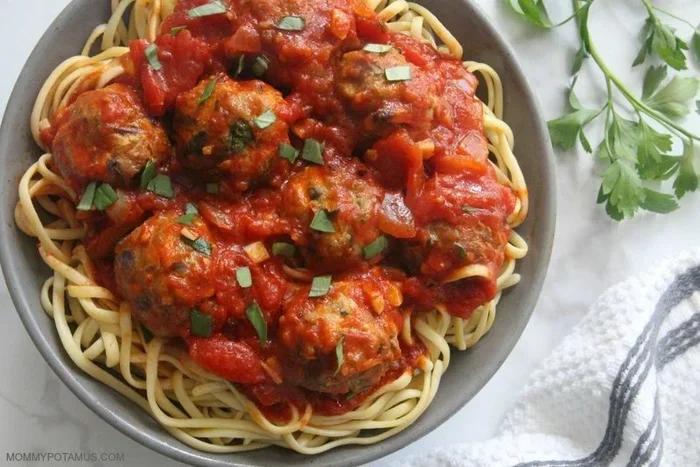
A Dutch oven is the ideal pot for a rich Bolognese. Brown ground beef or pork in the pot, then add diced onions, carrots, and celery. Pour in crushed tomatoes, red wine, and beef broth. Let it simmer for at least an hour while the flavors deepen. Meanwhile, boil your spaghetti or pappardelle in the same pot. The result is a deeply savory sauce that tastes like it has been cooking all day.
Baked Ziti Or Baked Pasta
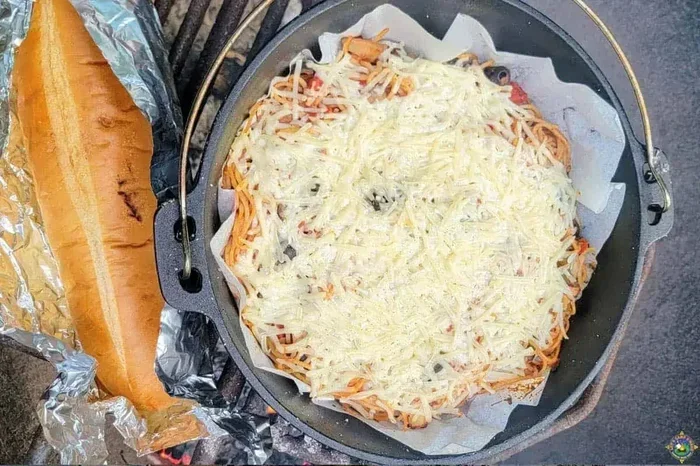
You can start your pasta right in the Dutch oven and then bake it in the oven for a bubbly, cheesy baked pasta. Boil the ziti noodles in the pot, drain them, and then mix in your meat sauce and ricotta cheese. Top with mozzarella and place the lid back on. Put the whole pot in the oven at 375 degrees for about 20 minutes. When you remove the lid, you get golden, melted cheese on top and perfectly tender pasta underneath.
Creamy Tuscan Chicken Pasta
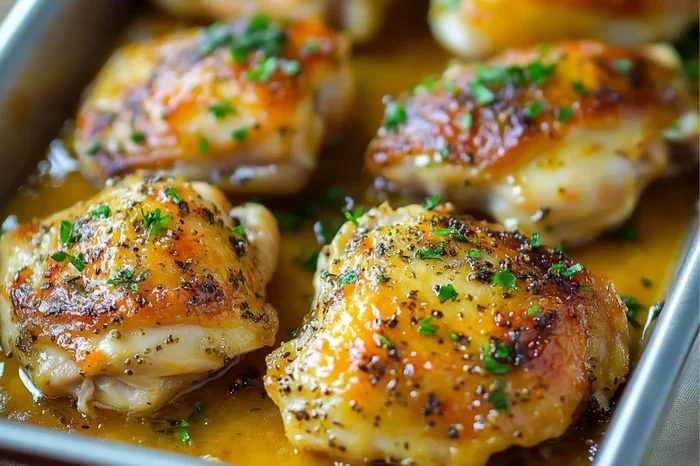
Brown chicken thighs in the Dutch oven, then remove them and sauté sun dried tomatoes, spinach, and garlic. Add heavy cream and chicken broth, then bring the sauce to a gentle simmer. Toss in your cooked penne and the chicken back in. The Dutch oven’s even heat keeps the sauce at a perfect simmer without scorching, which is something that thinner pots struggle with.
Common Mistakes To Avoid When Cooking Pasta In A Dutch Oven
Even though a Dutch oven makes cooking pasta easier, there are a few mistakes that can trip you up. Here is what to watch out for.
Using Too Little Water
This is the number one mistake people make. A Dutch oven holds a lot of water, but if you fill it too little, the temperature drops too much when you add the pasta. Your noodles will stick together and cook unevenly. Always use plenty of water, at least 4 quarts per pound of pasta. The extra water also gives you more starchy pasta water to work with when building your sauce.
Overcrowding The Pot
A Dutch oven is wide and deep, which is great, but you still need to give your pasta room. If you cram too much pasta into the pot, the noodles will clump and stick to each other. They will also lower the water temperature too much, leading to mushy, gummy results. Stick to the recommended amount of pasta for the size of your pot, and you will get much better results.
Forgetting To Salt The Water
Salting your pasta water is not optional if you want flavorful pasta. The water should taste like mild seawater. Since a Dutch oven holds so much water, you need a generous amount of salt, usually about one to two tablespoons per gallon. This is your one chance to season the pasta itself, so do not skip it.
Not Stirring Enough
Pasta releases starch as it cooks, and without stirring, the noodles will fuse together into a solid mass. Stir your pasta at least once or twice during the first few minutes of cooking, and then occasionally throughout. A Dutch oven’s wide base makes it easy to stir, so there is no excuse for skipping this step.
Rinsing The Pasta After Draining
Some people rinse their pasta under cold water to stop the cooking process. Do not do this when you are making a hot pasta dish with sauce. Rinsing washes away the surface starch that helps your sauce cling to the noodles. The only time you should rinse pasta is when you are making a cold pasta salad. For hot dishes, skip the rinse and go straight to tossing with sauce.
Cooking Pasta Too Long
Because a Dutch oven retains heat so well, your pasta may cook faster than you expect. Start checking for doneness a minute or two before the package says. You want the pasta to be al dente, which means it still has a slight firmness in the center. Remember that the pasta will continue to cook a little bit when you toss it in the hot sauce, so pull it off the heat just before it reaches your perfect level of tenderness.
Expert Tips For Perfect Dutch Oven Pasta Every Time
Want to take your Dutch oven pasta game to the next level? Here are some expert tips that separate good pasta from great pasta.
Use Pasta Water As A Secret Ingredient
That starchy water you reserved is one of the most powerful tools in your kitchen. Add a splash of it to your sauce while it is simmering, and watch it transform from thin and watery to thick and glossy. The starch acts as a natural thickener and emulsifier, binding the fat and liquid in your sauce together. Professional chefs use this trick constantly, and it works every single time.
Finish Your Pasta In The Sauce
Instead of draining your pasta and serving it with sauce on the side, try finishing the noodles directly in the sauce. Transfer your drained pasta to the Dutch oven with the simmering sauce, and toss everything together over medium heat for one to two minutes. This lets the pasta absorb the flavors of the sauce and creates a more cohesive, restaurant quality dish.
Preheat Your Dutch Oven
For even faster boiling times, preheat your Dutch oven on the stove before adding water. This is especially helpful on cold days or when your kitchen is cool. A preheated pot brings the water to a boil in less time, which means your pasta starts cooking sooner and more evenly.
Experiment With Fresh Pasta
While dried pasta works perfectly in a Dutch oven, fresh pasta cooks even faster and has a wonderfully tender texture. Fresh pasta noodles only need about 2 to 4 minutes in boiling water. Keep a close eye on them and be ready to drain quickly. The results are absolutely worth the extra effort, and a Dutch oven gives you plenty of room to cook fresh pasta for the whole family.
Make Batch Cooking Easier
A Dutch oven is a batch cooking champion. You can easily cook 2 pounds of pasta in one pot, which feeds a crowd. Make extra sauce and store it for quick meals later in the week. Pasta meal prep becomes simple when you have a reliable Dutch oven that can handle large quantities without sacrificing quality or flavor.
Clean Up Made Simple
One of the best things about cooking pasta in a Dutch oven is the cleanup. Since you use the same pot for boiling and saucing, you only have one pot to wash. Most enameled Dutch ovens are dishwasher safe, which makes cleanup a breeze. If you hand wash, a quick soak with warm water and a soft sponge removes any stuck on sauce easily.
Frequently Asked Questions
Can I boil water in a Dutch oven?
Absolutely. A Dutch oven is excellent for boiling water. The thick walls and tight lid help bring water to a boil quickly and maintain a steady simmer. Whether you are cooking pasta, blanching vegetables, or making soups, a Dutch oven handles boiling water with ease and consistency.
Is it better to cook pasta on the stovetop or in the oven using a Dutch oven?
For boiling pasta, the stovetop is the way to go. It gives you direct control over the heat and lets you monitor the boiling process closely. However, for baked pasta dishes like lasagna or baked ziti, the Dutch oven goes straight from stovetop to oven, which makes it incredibly versatile. The stovetop method is best for regular boiled pasta, while the oven method shines for casserole style dishes.
What size Dutch oven do I need for a family of four?
A 5 quart Dutch oven is perfect for a family of four. It holds enough water to cook 1 to 2 pounds of pasta comfortably, which gives everyone about 2 to 3 servings each. If you have teenagers or love big portions, consider stepping up to a 6 or 7 quart pot for extra room and flexibility.
Can I use a Dutch oven for gluten free pasta?
Yes, gluten free pasta works just as well in a Dutch oven as regular pasta. The key is to stir gluten free noodles more frequently because they tend to release more starch and can stick together faster. Use plenty of water and check for doneness early, as many gluten free varieties cook faster than traditional pasta.
Do I need to season a Dutch oven before cooking pasta in it?
If you have a traditional unenameled cast iron Dutch oven, yes, it should be seasoned before first use and maintained regularly. However, for cooking pasta, an enameled Dutch oven is often preferred because it does not require seasoning and is easier to clean. The enamel coating also prevents any metallic taste from leaching into your pasta sauce, especially when using acidic ingredients like tomatoes.
Can I use a Dutch oven to make pasta from scratch?
You can absolutely make fresh pasta in a Dutch oven. The wide, deep shape gives you plenty of space to work with dough and boil the noodles. However, for rolling and shaping fresh pasta dough, you will want a clean, flat surface like a countertop or a floured cutting board. Use the Dutch oven for the boiling step, and you will have beautifully fresh pasta every time.
Conclusion
So, can you cook pasta in a Dutch oven? The answer is a resounding yes, and now you know exactly how to do it. A Dutch oven gives you even heat, superior flavor, and the convenience of one pot cooking that makes pasta night easier and more enjoyable than ever before. From classic spaghetti to creamy garlic parmesan to hearty baked ziti, your Dutch oven can handle it all with confidence and style.
The tips and tricks in this article will help you avoid common pitfalls and achieve restaurant quality pasta right in your own kitchen. Choose the right size pot, use plenty of water, salt generously, and never underestimate the power of starchy pasta water. These small steps make a huge difference in the final result.
Whether you are cooking for yourself, your family, or a crowd of guests, a Dutch oven is your secret weapon for making amazing pasta dishes. Pick up your favorite noodles, grab your pot, and start cooking. You will wonder why you ever settled for less. Happy cooking, and enjoy every bite of your Dutch oven pasta masterpiece.