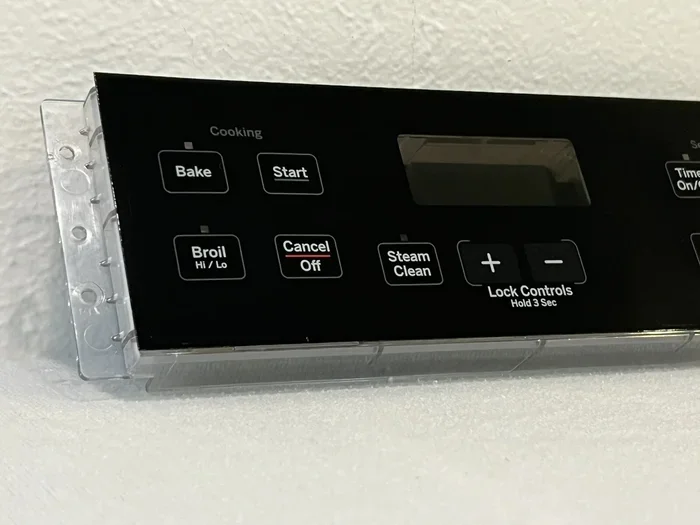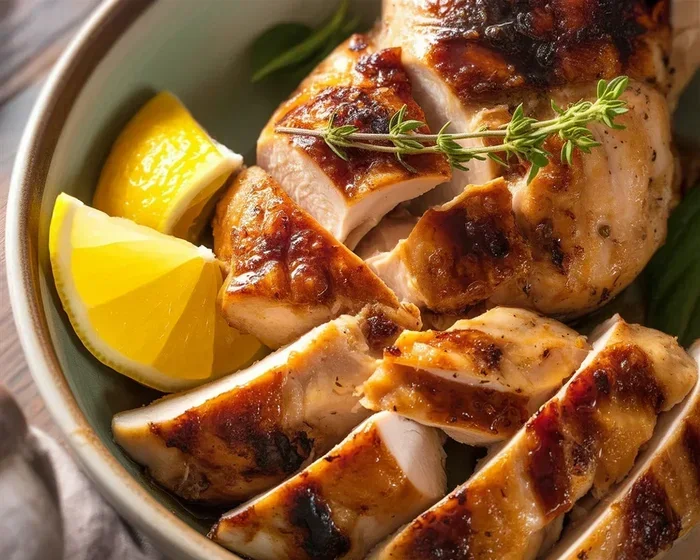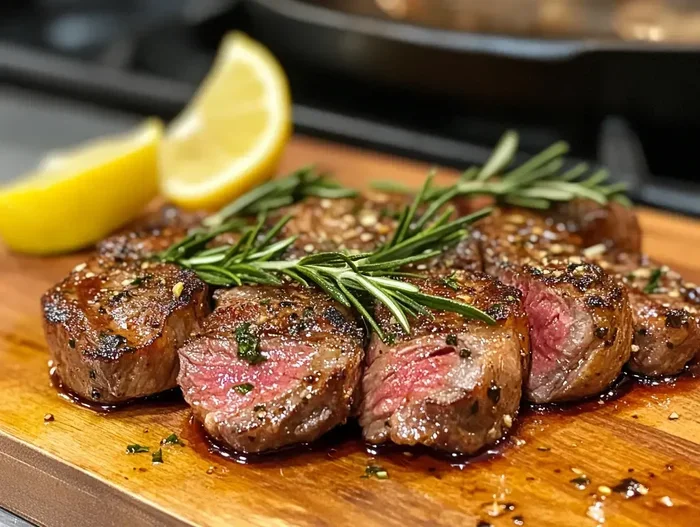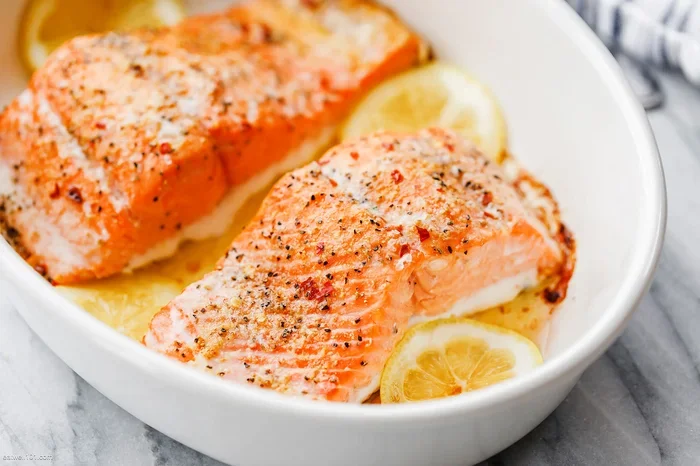
Convection Oven Range Guide to Find Your Perfect Match
A convection oven range combines a fan and heating element to circulate hot air, delivering faster and more even cooking results. Whether you bake, roast, or air fry, a convection oven range can transform your kitchen experience. This guide covers types, features, and top picks to help you find the perfect match for your cooking style and budget.
A convection oven range is one of the most versatile and efficient kitchen appliances you can own. If you love cooking and want consistent results every time, this type of oven is worth serious consideration. Unlike traditional ovens that rely solely on radiant heat, a convection oven range uses a fan to move hot air around the food. This simple but powerful difference changes everything about how your meals turn out.
Whether you are a weekend baker or a busy parent juggling weeknight dinners, understanding what a convection oven range offers can save you time, energy, and frustration. In this guide, we will walk you through everything you need to know. From how these ovens work to the best models on the market, you will find all the answers right here.
By the end of this article, you will feel confident choosing the best convection oven range for your kitchen. We will cover types, features, buying tips, and common mistakes to avoid. Let us dive in and make your cooking life easier.
Key Takeaways
- Convection oven ranges cook food faster and more evenly by using a fan to circulate hot air throughout the cooking chamber.
- Three main types exist: gas convection ranges, electric convection ranges, and double oven ranges to suit different kitchen layouts.
- Key features to prioritize include temperature control, energy efficiency, self-cleaning options, and convection setting versatility.
- Matching the oven to your cooking habits ensures you get the best value and performance from your investment.
- Regular maintenance like cleaning the fan and checking seals keeps your convection oven range running at peak efficiency.
📑 Table of Contents
What Is a Convection Oven Range?
A convection oven range is a cooking appliance that combines a fan and a heating element to distribute heat evenly. The fan blows hot air across the food, which reduces cold spots and promotes uniform cooking. This technology has been around for decades but has become more popular in home kitchens thanks to better designs and affordable options.
Most modern convection oven range units come with a dedicated convection setting. When you turn this on, the fan activates and the oven adjusts the temperature slightly lower than standard baking mode. This adjustment prevents food from overcooking on the outside while staying raw inside. The result is perfectly baked cookies, evenly roasted vegetables, and crispy chicken skin every single time.
How Convection Technology Works
The science behind a convection oven range is straightforward but effective. A heating element warms the air inside the oven cavity. A fan then pushes that hot air around the food at high speed. This constant movement of heat eliminates the stagnant air pockets that cause uneven cooking in regular ovens.
Here is what happens during convection cooking:
- The fan pulls in cool air from the oven cavity.
- The heating element warms the air to the set temperature.
- The fan pushes the hot air over and around the food.
- Hot air circulates continuously, maintaining a steady temperature.
- Food cooks faster and more evenly than in a standard oven.
This process means your convection oven range can reduce cooking times by about 25 percent compared to a traditional oven. You also save energy because the oven reaches the target temperature faster.
Types of Convection Oven Ranges
Not all convection oven range models are the same. Different types suit different kitchens, budgets, and cooking styles. Understanding the main categories helps you narrow down your options before shopping.
Gas Convection Ranges
A gas convection range uses gas burners for the cooktop and a gas-powered convection oven below. Many professional chefs prefer gas because it offers instant heat control and a familiar cooking feel. The convection fan in a gas model works just like in an electric one, ensuring even heat distribution.
Gas convection ranges are ideal for people who love the responsiveness of gas cooking. They also tend to work well during power outages since the cooktop does not need electricity. However, they usually require a gas line connection, which may not be available in all homes.
Electric Convection Ranges
An electric convection oven range uses electric burners on top and electric heating elements inside the oven. These models are the most common in modern kitchens. They offer precise temperature control and often come packed with advanced features like self-cleaning, steam cooking, and smart connectivity.
Electric ranges are generally easier to install since they only need a standard electrical outlet or a dedicated circuit. They also tend to be more energy efficient than gas models in the long run. If your kitchen does not have a gas line, an electric convection oven range is the natural choice.
Double Oven Ranges with Convection
A double oven range with convection features two separate oven cavities, each with its own fan and heating element. This setup is perfect for large families or anyone who hosts frequent gatherings. You can cook two dishes at different temperatures simultaneously without worrying about flavor transfer.
Double oven ranges take up more space and cost more than single-oven models. However, the convenience they offer is unmatched. Imagine roasting a turkey in one oven while baking a pie in the other. For serious home cooks, a double oven convection range is a game changer.
Key Features to Look For
When shopping for a convection oven range, certain features make a big difference in daily performance and satisfaction. Here are the most important ones to consider.
Temperature Control and Precision
Accurate temperature control is the heart of any good convection oven range. Look for models that offer a wide temperature range, ideally from 150°F to 550°F. Digital controls are more precise than dial knobs, allowing you to set exact temperatures with minimal guesswork.
Some premium models include probe thermometers that monitor the internal temperature of your food. This feature removes the need to open the oven door constantly, which can cause temperature fluctuations and uneven cooking.
Energy Efficiency
A convection oven range is already more energy efficient than a standard oven because it cooks food faster. However, some models are more efficient than others. Look for ENERGY STAR certified ranges that meet strict energy guidelines set by the government.
Electric convection ranges generally use less energy than gas models over time. They also heat up more predictably, which reduces wasted energy from repeated preheating cycles. Choosing an energy-efficient model saves money on utility bills and reduces your environmental footprint.
Self-Cleaning Options
Cleaning an oven is nobody’s favorite chore. Fortunately, many modern convection oven range units come with self-cleaning features. There are two main types: pyrolytic and steam cleaning.
- Pyrolytic cleaning uses extreme heat to burn off food residue into ash. You simply wipe it away afterward.
- Steam cleaning uses water and heat to loosen grime. It is faster and uses less energy than pyrolytic cleaning.
Both options keep your oven looking and performing its best with minimal effort. When comparing models, check which self-cleaning method is included and whether it works with the convection function.
Convection Fan Design
The fan is the most important component of any convection oven range. There are two main designs: rear-mounted and top-mounted fans. Rear-mounted fans are the most common and provide the most even air circulation. Top-mounted fans are often found in combination ovens and offer excellent results for roasting and air frying.
Some high-end models include a third heating element near the fan. This design, called “true convection” or “third-element convection,” delivers the most consistent heat distribution. If you bake frequently, this feature is worth the extra investment.
Best Convection Oven Ranges for Different Needs
Every kitchen is different, and so are cooking habits. Here are some recommendations based on common household needs.
Best for Large Families
Large families need capacity, reliability, and even cooking performance. A 30-inch double oven convection range is usually the best choice. These models offer 6 to 8 cubic feet of oven space, which is plenty for holiday meals and weekly cooking.
Look for models with multiple convection fans for even heat distribution across both cavities. Brands like Wolf, Thermador, and KitchenAid offer excellent double oven ranges with strong convection systems. These units also tend to include features like warming drawers and powerful burners for stovetop cooking.
Best for Small Kitchens
Not everyone has a big kitchen. If space is limited, a 24-inch single oven convection range works perfectly. These compact models still deliver excellent convection performance but take up less floor space. Some even offer slide-in designs that blend seamlessly with kitchen counters.
For those with very limited space, a countertop convection oven can serve as a secondary cooking option. While not a full range replacement, these units are great for small batches, reheating, and air frying. They are also much more affordable than full-size ranges.
Best Budget Options
You do not need to spend a fortune to get a good convection oven range. Many mid-range brands offer solid convection features at reasonable prices. Brands like Whirlpool, GE, and Frigidaire produce reliable models with digital controls, even heat distribution, and easy-to-clean interiors.
When shopping on a budget, focus on the essentials: a working convection fan, accurate temperature control, and a decent oven capacity. You can always upgrade to premium features later. The most important thing is finding a convection oven range that cooks well and fits your space.
How to Choose the Right Convection Oven Range
Choosing the right convection oven range comes down to matching the appliance to your specific needs. Here are the key factors to evaluate before making a purchase.
Size and Capacity
Measure your available space carefully before buying a new range. Standard widths are 24 inches, 30 inches, and 36 inches. A 30-inch range fits most standard kitchen cabinets and offers a good balance of oven capacity and countertop space.
Consider how many people you cook for regularly. A single person or couple may be fine with a 24-inch single oven. A family of five or more will benefit from a 30-inch model or a double oven range. Always check the interior oven dimensions, not just the exterior width.
Cooking Style and Habits
Think about what you cook most often. If you bake bread and pastries frequently, prioritize a convection oven range with precise temperature control and a third-element fan. If you roast meats regularly, look for models with strong top-mounted fans and high-temperature capabilities.
For those who air fry or dehydrate foods, some convection ranges include dedicated air fry settings. These presets optimize the fan speed and temperature for specific cooking methods. Matching the oven features to your cooking habits ensures you get the most value from your purchase.
Installation and Ventilation
Proper installation is critical for any convection oven range. Gas ranges need a dedicated gas line and proper ventilation to safely exhaust combustion gases. Electric ranges require a 240-volt outlet in most cases. Always hire a professional installer if you are not comfortable with electrical or gas connections.
Ventilation also affects cooking performance. A range hood with adequate CFM (cubic feet per minute) rating removes smoke, grease, and odors effectively. Without proper ventilation, grease can build up on the oven surfaces and reduce the lifespan of your convection oven range.
Common Mistakes to Avoid
Even experienced cooks can make mistakes when using a convection oven range. Avoiding these common errors helps you get the best results every time.
- Using the wrong cookware: Dark, heavy pans absorb too much heat in a convection oven. Use light-colored, thin aluminum pans for the best results.
- Overcrowding the oven: Blocking the airflow with too many pans prevents the fan from circulating heat properly. Leave space between dishes for air to move freely.
- Forgetting to reduce the temperature: Most recipes were written for conventional ovens. When using the convection setting, reduce the temperature by 25°F to prevent overcooking.
- Skipping regular maintenance: A dirty fan or clogged vent reduces convection performance. Clean the fan blades and oven interior regularly to maintain efficiency.
- Ignoring the manual: Every convection oven range model has unique features and settings. Reading the manual helps you understand what your specific oven can do.
Expert Insight: How Professional Chefs Use Convection Ranges
Professional chefs rely on convection oven ranges for consistent, high-volume cooking. The key difference is that pros understand their equipment deeply. They know that convection cooking requires slight adjustments to traditional recipes and techniques.
Many professional kitchens use convection ovens for roasting vegetables, baking pastries, and even slow-cooking meats. The even heat distribution means less monitoring and better results. Home cooks can adopt these same techniques by paying attention to how food responds to the convection setting and making small adjustments over time.
Maintenance Tips for Your Convection Oven Range
Keeping your convection oven range in top condition extends its lifespan and ensures consistent performance. Here are some simple maintenance tips you can follow.
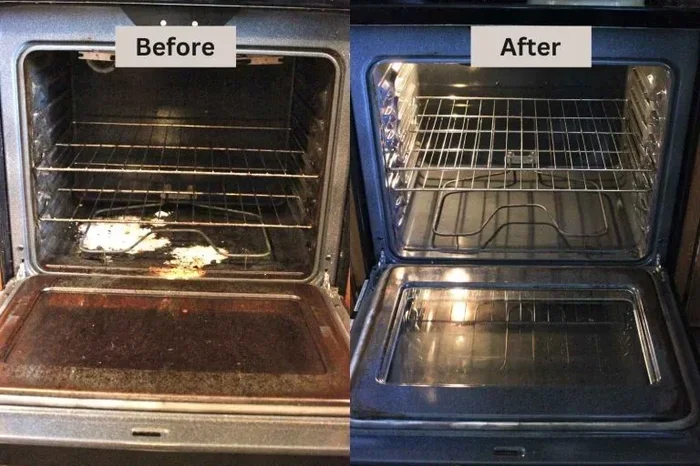
- Clean the oven interior after every use to prevent grease buildup.
- Wipe the fan blades and surrounding area monthly to remove dust and food particles.
- Check the door seal regularly for cracks or gaps that can let heat escape.
- Use the self-cleaning feature periodically to remove stubborn residue.
- Replace oven racks if they become warped or rusted, as they affect heat circulation.
- Schedule professional maintenance annually for gas models to check burners and safety components.
Simple maintenance habits go a long way. A well-maintained convection oven range will deliver excellent cooking results for many years.
Conclusion
A convection oven range is a smart investment for any kitchen. It cooks faster, heats more evenly, and uses less energy than a conventional oven. Whether you choose a gas convection range, an electric convection oven range, or a double oven model, the right unit will elevate your cooking experience.
Take the time to understand your needs, compare features, and choose a model that fits your space and budget. With the right convection oven range, every meal becomes easier and more enjoyable. Start exploring your options today and find the perfect match for your kitchen.
Frequently Asked Questions
What is the difference between a convection oven and a regular oven?
A regular oven uses stationary heat from top and bottom elements, while a convection oven range adds a fan to circulate hot air. This circulation eliminates cold spots and cooks food faster and more evenly. The fan also allows you to bake multiple dishes at once without worrying about uneven results.
Can I use regular cookware in a convection oven range?
Yes, you can use regular cookware in a convection oven range, but light-colored, thin aluminum pans work best. Dark or heavy pans absorb more heat and can cause overcooking on the bottom. Avoid covering the oven racks with foil, as it blocks airflow and reduces convection performance.
Is a convection oven range more expensive than a regular range?
Convection oven ranges typically cost a bit more than standard models, but the price difference has narrowed in recent years. Many affordable brands now include convection as a standard feature. The energy savings and cooking benefits often offset the initial cost over time.
Can a convection oven range air fry food?
Yes, many modern convection oven range models include a dedicated air fry setting. This setting uses the convection fan at high speed to create crispy results similar to a standalone air fryer. It is a convenient way to get crispy fries, chicken wings, and roasted vegetables without extra equipment.
How often should I clean the fan in my convection oven range?
You should clean the fan area every one to two months, depending on how often you cook. Grease and food particles can accumulate on the fan blades and reduce airflow. Simply wipe the blades with a damp cloth and mild detergent. Keeping the fan clean ensures your convection oven range operates at peak efficiency.
Do I need to adjust cooking times when using a convection oven range?
Yes, convection cooking is typically 25 percent faster than conventional cooking. Most recipes written for regular ovens will need a shorter cooking time and a slightly lower temperature when using the convection setting. Start checking your food a few minutes earlier than the recipe suggests to avoid overcooking.