What Causes An Oven To Smoke And How To Prevent It
An oven can smoke for many reasons, from food spills and grease buildup to a faulty heating element. Understanding the root cause helps you fix the problem fast and keep your kitchen safe. This guide covers the most common reasons your oven smokes and gives you simple, actionable steps to prevent it from happening again.
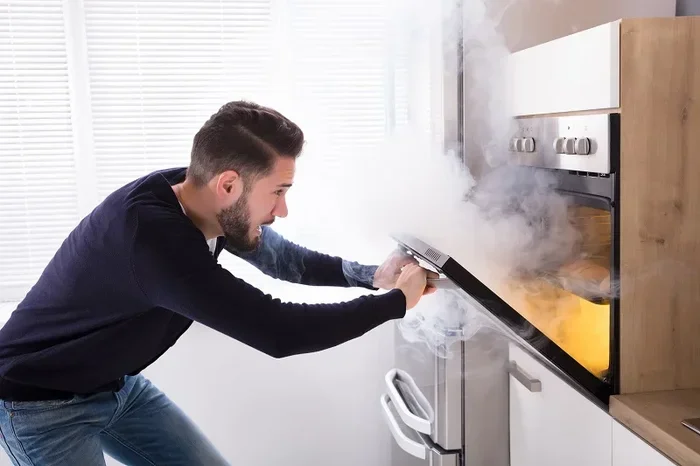
You are mid-recipe, and suddenly a wave of smoke rolls out of your oven. The alarm starts blaring. You frantically wave a towel near the oven door. It is a stressful moment that almost every home cook has faced at some point. The good news? Most oven smoke problems are easy to fix once you know what is causing them.
In this guide, we will walk you through every reason your oven might be smoking. We will also share simple, practical steps to stop it from happening again. Whether you have a gas oven or an electric one, this article has you covered.
Key Takeaways
- Food spills and residue: Leftover grease and crumbs are the #1 reason ovens produce smoke during cooking.
- Grease buildup over time: Not cleaning your oven regularly leads to thick grease layers that burn and smoke easily.
- Self-cleaning cycle smoke: The self-cleaning function creates heavy smoke as it burns off baked-on grime at very high heat.
- Faulty heating elements: A damaged or exposed element can spark, smoke, and even become a fire hazard.
- Wrong cookware and oil: Using the wrong pans or too much cooking spray causes smoke at lower temperatures.
- Prevention is simple: Regular cleaning, proper preheating, and smart cooking habits keep smoke away for good.
📑 Table of Contents
What Causes An Oven To Smoke
The short answer is that smoke comes from something burning inside your oven. But the “something” can vary a lot. Let us break down each cause so you can pinpoint the problem quickly.
Food Spills and Leftover Residue
This is the most common cause of oven smoke. When food spills over during cooking, the drips land on the bottom of the oven. They bake onto the surfaces and turn into hard, sticky residue. The next time you turn on the oven, that residue burns and produces smoke.
Common culprits include:
- Saucy casseroles that bubble over
- Greasy meats like bacon or sausage
- Cheese that melts past the dish
- Cakes or pastries that rise too high
Even small amounts of food left behind can smoke when the oven heats up. This is why many people notice smoke right after preheating.
Grease and Fat Buildup
Over time, grease from cooking builds up on the oven walls, racks, and bottom. This layer of fat becomes thick and hard. When the oven gets hot, this old grease starts to melt, drip, and smoke. It can even create a strong, unpleasant odor that lingers in your kitchen.
Grease buildup is especially common in households that cook frequently. If you notice a smoky smell even when you are not cooking anything, there is likely a thick layer of old grease inside your oven. This is a clear sign that it is time for a deep clean.
Self-Cleaning Cycle Smoke
Many modern ovens come with a self-cleaning feature. While this function is convenient, it often produces a lot of smoke. The self-cleaning cycle heats the oven to extremely high temperatures, usually between 800 and 1000 degrees Fahrenheit. At these temperatures, all the baked-on food and grease inside the oven burns off completely.
The smoke you see during a self-cleaning cycle is normal. However, there are a few things to keep in mind:
- Turn on your kitchen exhaust fan or range hood
- Open a nearby window for ventilation
- Keep pets and children away from the kitchen
- Do not run the cycle right before bedtime
If the smoke seems excessive or the smell is unusually harsh, your oven might need a manual cleaning before running the self-clean cycle. This reduces the amount of material that burns and minimizes smoke.
Faulty or Damaged Heating Elements
Both gas and electric ovens have heating elements. In electric ovens, these are the coils on the top and bottom. In gas ovens, the burner is at the bottom. When these elements get damaged, they can spark, glow unevenly, or produce smoke.
Signs of a failing heating element include:
- Visible cracks or holes in the coil
- Glowing spots that are brighter than others
- An element that does not heat up at all
- Sparking or popping sounds during use
A damaged heating element is not just a smoke problem. It can also be a serious safety risk. If you see sparks or an element that looks burnt out, turn off the oven right away. Replace the element before using the oven again.
Using the Wrong Cookware or Too Much Oil
Not all pans are safe for oven use. Putting a pan with a plastic handle or a non-stick coating not rated for high heat can release smoke. Similarly, using too much oil or cooking spray can cause smoking, especially at high temperatures.
Here are a few common mistakes people make with cookware:
- Using a pan with a rubber or plastic handle in a hot oven
- Spraying cooking spray directly onto food in the oven
- Placing a covered dish in the oven, trapping steam and grease
- Using a pan that is too small, causing food to overflow
Cooking sprays like canola or olive oil spray are a hidden cause of oven smoke. The spray creates a very thin, sticky layer on the pan that burns quickly at high temperatures. Instead, use a brush or paper towel to apply a thin layer of oil directly to the pan.
How To Prevent Your Oven From Smoking
Prevention is always better than dealing with smoke mid-cook. The good news is that a few simple habits can keep your oven smoke-free for a long time. Let us look at the best ways to prevent oven smoke.
Clean Your Oven Regularly
The single best way to stop oven smoke is to keep it clean. Regular cleaning removes food spills and grease before they build up and burn. You do not need to do a deep clean every week, but here is a simple routine that works:
- After every use: Wipe up any spills once the oven has cooled down
- Every two weeks: Check the oven floor for food residue and wipe it clean
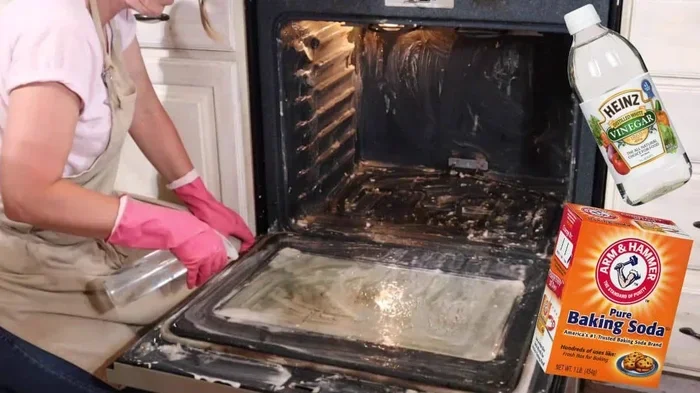
- Every month: Do a light deep clean with a mild oven cleaner or baking soda paste
- Every three months: Remove the oven racks and clean them separately
Using a natural cleaner like baking soda and vinegar is safe, effective, and avoids harsh chemicals. Just make a paste, spread it inside the oven, let it sit overnight, and wipe it clean the next day.
Use the Right Cookware and Cooking Spray Alternatives
Always check the bottom of your pans before putting them in the oven. Look for an oven-safe label. Most metal pans, cast iron skillets, and oven-safe glass dishes work great at high temperatures.
Instead of cooking spray, try these alternatives:
- Brush a thin layer of oil with a silicone basting brush
- Use a small amount of oil on a paper towel and rub it on the pan
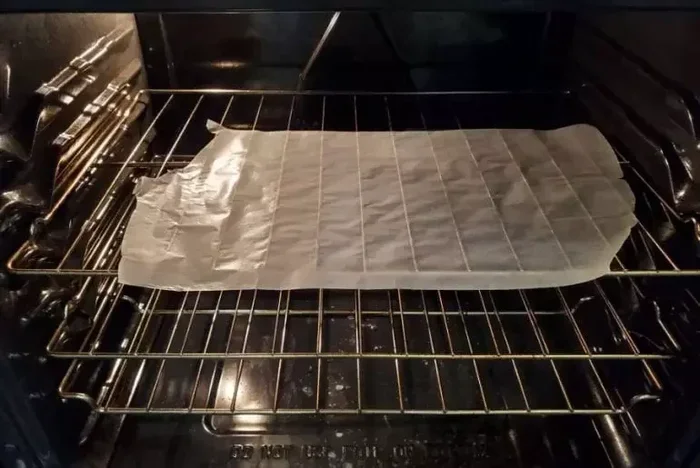
- Line baking sheets with parchment paper to prevent sticking
- Use silicone baking mats for even, smoke-free cooking
These simple swaps can make a big difference in reducing smoke and keeping your oven clean.
Preheat Smartly and Avoid Overheating
Preheating your oven is important for even cooking. But preheating it too long or setting it too high can cause smoke, especially if there is residue inside. Here are a few tips for smart preheating:
- Preheat only when the recipe calls for it
- Set the temperature to what the recipe requires, no higher
- Do not leave the oven preheating while you are away from home
- Place food in the oven as soon as it reaches the target temperature
Leaving an empty oven at a high temperature for too long can cause any residue inside to smoke and even start to carbonize. This makes future cleaning much harder.
Maintain Your Oven Door Seal and Racks
The rubber seal around your oven door plays an important role. It keeps heat inside the oven and prevents smoke from leaking out. If the seal is worn, cracked, or loose, heat escapes and smoke can escape with it.
Check your door seal regularly. If it looks damaged or feels loose, replace it. Most replacement seals are affordable and easy to install. You can usually find the right seal for your oven model online or at a home improvement store.
Clean your oven racks at least once a month. Soak them in warm soapy water, scrub off any grease, and dry them before putting them back. Clean racks allow air to flow properly inside the oven, which helps prevent smoke.
Is Oven Smoke Dangerous?
A little smoke from cooking is usually harmless. But heavy or persistent smoke can be a problem. Let us talk about the risks and what you should watch out for.
Health Risks of Oven Smoke
Oven smoke contains tiny particles and chemicals that can irritate your lungs. If you breathe in a lot of smoke, you might experience:
- Coughing or throat irritation
- Eye watering or stinging
- Headaches or dizziness
- Worsening of asthma symptoms
People with respiratory conditions, young children, and older adults are more sensitive to oven smoke. If you notice heavy smoke while cooking, turn on your range hood or open a window to ventilate the area.
Fire Hazards to Be Aware Of
In rare cases, oven smoke can be a sign of a real fire risk. Grease fires, electrical problems, or overheated materials inside the oven can all lead to dangerous situations. Here is what to watch for:
- Smoke that does not go away after removing the food
- A burning plastic or electrical smell
- Flames visible inside the oven
- The oven door feeling extremely hot on the outside
If you ever see flames inside your oven, do not open the door. Turn the oven off and let it cool. Opening the door can feed oxygen to the fire and make it worse. If the flames do not go out, call your local fire department immediately.
Quick Fixes When Your Oven Starts Smoking
Even with the best prevention, smoke can still happen. Here is what to do in the moment:
- Stay calm. Smoke from food is usually not dangerous. It often clears up quickly on its own.
- Turn off the oven if the smoke is heavy. Let it cool before opening the door.
- Ventilate your kitchen. Turn on the range hood, open windows, or turn on a fan.
- Check for spills or burning food. Once the oven is cool, look inside and remove any burnt items.
- Do not use water on electrical or grease fires. Water can make grease fires spread. Use a fire extinguisher rated for kitchen fires instead.
Keep a box baking soda in your kitchen. It can help smother small grease fires. Never use water on a grease fire. This is one of the most important kitchen safety rules to remember.
When To Call a Professional
Most oven smoke issues can be fixed with simple cleaning or part replacement. But some problems need professional help. You should call a technician if:
- The heating element is visibly damaged or sparking
- The oven smoke even after a thorough cleaning
- You smell gas near a gas oven (this is a serious safety concern)
- The oven temperature is inconsistent or way too high
- The door seal is broken and cannot be replaced easily
A professional can safely diagnose electrical or gas issues that are not safe to handle on your own. Regular oven maintenance checks can also help catch small problems before they turn into big, expensive repairs.
Conclusion
Now you know exactly what causes an oven to smoke and how to stop it. The most common reasons are food spills, grease buildup, self-cleaning cycles, and damaged heating elements. With regular cleaning, the right cookware, and smart cooking habits, you can keep your oven smoke-free and running smoothly.
Remember, a little smoke now and then is normal, especially when you are cooking something greasy or saucy. But persistent smoke is a sign that your oven needs attention. Use the tips in this guide to keep your kitchen safe, your oven in great shape, and your cooking experience enjoyable.
Take a few minutes today to check your oven. Clean up any residue, inspect the door seal, and make sure your racks are clean. These small actions go a long way in preventing smoke and keeping your oven working at its best for years to come.
Frequently Asked Questions
Why does my oven smoke even when I am not cooking anything?
This usually means there is grease or food residue built up inside the oven. Old grease and crumbs can smoke when the oven heats up, even if you did not put food in it. A thorough cleaning should fix this problem.
Is it normal for an oven to smoke during the self-cleaning cycle?
Yes, it is completely normal. The self-cleaning cycle burns off all the grease and food residue at very high temperatures, which creates smoke and a strong odor. Make sure your kitchen is well ventilated while running this cycle.
Can cooking spray cause my oven to smoke?
Yes, cooking spray can cause smoke. The spray creates a very thin, sticky layer on pans that burns quickly at high temperatures. It is better to use a brush or paper towel to apply a thin layer of oil instead.
How often should I clean my oven to prevent smoke?
Wipe up spills after every use. Do a light clean every two weeks and a deeper clean every month. This routine prevents grease and food buildup that leads to smoke.
What should I do if there are flames inside my oven?
Do not open the oven door. Turn the oven off and let it cool. Opening the door can feed oxygen to the fire. If the flames do not go out, call your local fire department right away.
Can a damaged oven heating element cause smoke?
Yes, a cracked or damaged heating element can spark, glow unevenly, and produce smoke. If you notice any damage to the element, turn off the oven and replace it before using it again.