Propane Oven Cooking Tips That Will Change Your Kitchen
Propane oven cooking tips can transform the way you prepare meals at home or on the go. A propane oven offers incredible flexibility, letting you bake, roast, and broil without relying on electricity. Whether you are camping, tailgating, or just looking to save on energy bills, a propane oven delivers consistent heat and great results. In this guide, you will discover easy techniques, safety checks, and flavor-boosting tricks that make propane oven cooking simple and enjoyable. Get ready to elevate your kitchen game with these practical tips.
A propane oven can become the most useful tool in your kitchen. It gives you the power to cook a full meal even when the power goes out. Many people think of a propane oven as a camping gadget, but it works just as well on a patio, in a garage, or as a backup during storms. The secret lies in understanding how it heats, how to control the temperature, and what makes it different from a standard electric oven.
Once you learn a few simple propane oven cooking tips, you will start using it every week. You will bake cookies, roast chicken, and broil vegetables without ever touching an outlet. This guide walks you through everything from setup to advanced techniques. I will share real examples, quick fixes, and common mistakes to avoid. By the end, you will feel confident firing up your propane oven for any meal.
Key Takeaways
- Freedom from electricity: A propane oven lets you cook anywhere, from your backyard to a campsite.
- Fast, even heating: Propane ovens reach cooking temperature quickly and maintain steady heat.
- Safety first: Always check connections, ensure ventilation, and keep the oven level.
- Versatile cooking: You can bake, roast, broil, and slow-cook with the same unit.
- Energy savings: Propane is often cheaper than electricity and heats up faster.
- Easy maintenance: Regular cleaning and burner checks keep your oven running smoothly for years.
📑 Table of Contents
Why a Propane Oven Changes Everything
A propane oven brings a level of freedom that electric ovens simply cannot match. You are not tied to a wall outlet or a generator. You can set up your propane oven on a tailgate, a picnic table, or a kitchen counter and start cooking right away. This is especially valuable for outdoor enthusiasts who love outdoor cooking and off-grid cooking.
The Freedom of Off-Grid Cooking
Imagine you are camping in the woods. You want a hot breakfast and a baked dinner, but there is no electricity. A portable propane oven solves this problem instantly. You connect a small tank, light the burner, and you have a reliable gas oven that bakes just like a home oven. Camping oven setups often include a propane oven because it uses a simple fuel source that is easy to transport. You can also use it for tailgating, where you want to cook a full meal before a game.
Propane Oven vs Electric Oven: Key Differences
Understanding the differences helps you choose the right appliance. A propane oven heats up faster and often runs cooler on your energy bill. An electric oven takes longer to preheat and depends on a steady power supply. Below is a quick comparison table to help you see the key points.
| Feature | Propane Oven | Electric Oven |
|---|---|---|
| Heat-up time | Fast (2-5 minutes) | Slower (10-15 minutes) |
| Power source | Propane tank | Electricity |
| Portability | High (portable models) | Low (fixed unit) |
| Operating cost | Lower (propane is cheap) | Higher (electricity rates) |
| Temperature control | Instant adjustment | Slight delay |
| Best for | Outdoor, backup, camping | Home baking, precision |
Both ovens have their place, but a propane oven wins for flexibility. It gives you consistent heat for roasting, baking, and broiling. Many people find that food tastes better when cooked in a propane oven because the flame creates a slightly different heat profile. This is a big reason why propane oven fans swear by it for flavorful meals.
Getting to Know Your Propane Oven
Before you cook your first meal, take a few minutes to learn the parts of your propane oven. Knowing what each piece does makes it easier to troubleshoot and keep the oven running safely. A propane oven is simple in design, but it still needs basic care.
Understanding the Components
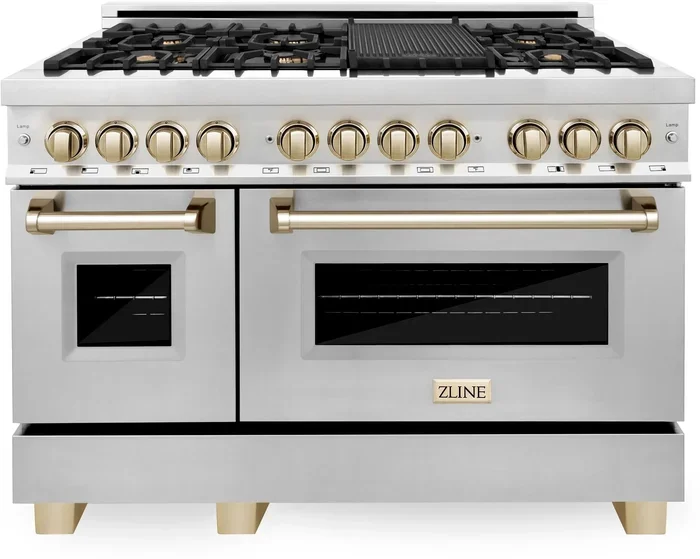
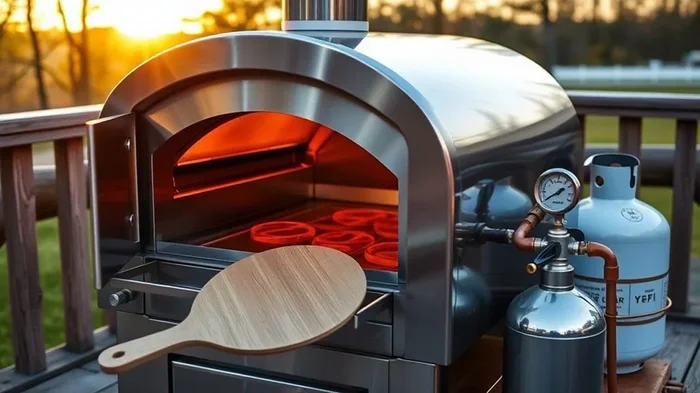
Most propane oven models have a burner, a heat diffuser, a cooking chamber, and a thermostat. The burner sits below the diffuser and creates the flame. The diffuser spreads the heat evenly across the bottom of the oven. The cooking chamber is where your food goes, and the thermostat tells the oven when to turn the flame on or off. Some models also include a broiler element at the top for direct high heat.
Take time to read the owner’s manual. Every propane oven has specific assembly steps and weight limits. You will learn how to attach the gas line, how to light the pilot, and how to adjust the temperature dial. This basic knowledge prevents frustration later.
Propane Oven Safety Checks You Must Do
Safety comes first with any gas oven. Before each use, check the propane tank for leaks. Apply a soapy water solution to the connections and look for bubbles. If you see bubbles, tighten the fitting or replace the hose. Always place your propane oven on a flat, stable surface. Never use it indoors without proper ventilation, because carbon monoxide can build up quickly.
- Check the propane tank valve before lighting.
- Ensure the oven is on a level, heat-resistant surface.
- Keep the area around the oven clear of flammable items.
- Never leave a lit propane oven unattended.
- Install a carbon monoxide detector nearby.
These simple checks protect you and your family. They also extend the life of your propane oven. A well-maintained unit will serve you for many years.
Mastering Temperature Control
One of the biggest advantages of a propane oven is how quickly it responds to temperature changes. You can turn the flame up or down and feel the difference almost immediately. However, because the heat source is a direct flame, you need to learn a few tricks to avoid hot spots.
How to Set the Right Temperature
Start by preheating your propane oven for at least 5 minutes. This lets the cooking chamber reach a stable temperature. Use an oven thermometer to check the actual heat, because the dial on a propane oven is not always perfectly accurate. Place the thermometer in the center of the oven and wait until it holds steady before loading your food.
For baking, a temperature of 350°F (175°C) works for most recipes. For roasting, you might go higher to 400°F (200°C) or more. If you are broiling, use the top element and keep the door slightly open to let excess heat escape. A propane oven gives you instant control, so you can adjust on the fly.
Quick Tips for Even Heat Distribution
Hot spots are common in any oven, but a propane oven can develop them faster because the flame is concentrated. Here are a few Quick Tips to spread the heat evenly:
- Place a heat diffuser or ceramic tile on the burner to spread the flame.
- Rotate your pans halfway through cooking.
- Avoid opening the door too often, as it lets heat escape.
- Use the middle rack position for most baking and roasting.
- Let the oven preheat for an extra 5 minutes if you are using a large, cold pan.
These small habits make a big difference. Your food will brown more evenly, and you will get consistent results every time you use your propane oven.
Best Propane Oven Cooking Techniques
A propane oven can do almost everything a home oven does, and it often does it faster. The key is to use the right technique for each type of food. I have found that simple methods work best, especially when you are starting out.
Baking with a Propane Oven
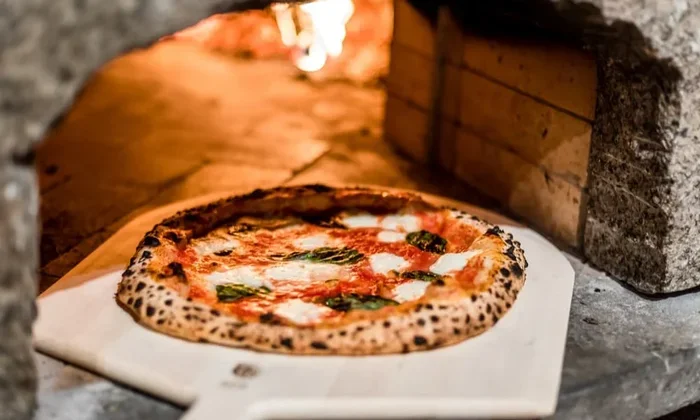
Propane oven baking is a joy once you understand the heat patterns. Because the bottom burner creates strong radiant heat, breads and pizzas get a nice crispy bottom. Cakes and cookies also bake well, but you may need to rotate the pan once or twice. I always set a timer and check my baking progress a few minutes early.
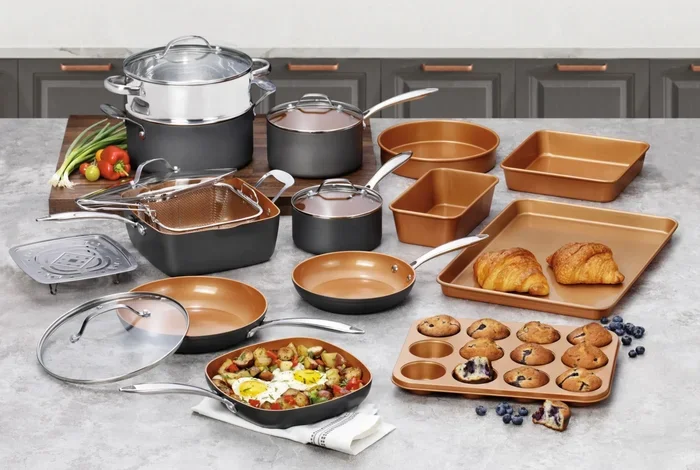
For best results, use light-colored metal pans. Dark pans absorb more heat and can cause the bottom to burn. If you are baking cookies, try placing them on a parchment-lined sheet and baking one tray at a time. This gives you more control over the temperature and prevents uneven browning.
Roasting and Broiling Secrets
Roasting in a propane oven brings out deep, caramelized flavors. The direct flame creates a slightly smoky taste that many people love. For a roast chicken or a pan of vegetables, preheat the oven to 425°F (220°C). Place the food on a rack so the hot air circulates around it. The propane oven will crisp the skin and lock in moisture.
Broiling is perfect for melting cheese, browning casseroles, or cooking a steak. The top element in a propane oven gives you intense, direct heat. Keep the food close to the element and watch it carefully. Broiling happens fast, so stay near the oven and flip the food halfway through. A propane oven broiler can give you restaurant-quality results in minutes.
Common Mistakes to Avoid
Even experienced cooks make mistakes with a propane oven. Learning from others saves time and prevents ruined meals. Here are the most common errors and how to fix them.
Overlooking Ventilation
A propane oven needs fresh air to burn safely. Using it in a closed tent, a small room, or an unventilated garage is dangerous. Carbon monoxide is invisible and odorless, and it can make you very sick. Always cook in an open area or a well-ventilated space. If you are using a propane oven indoors as a backup, open a window or run a fan. This simple step keeps the air clean and your family safe.
Ignoring Regular Maintenance
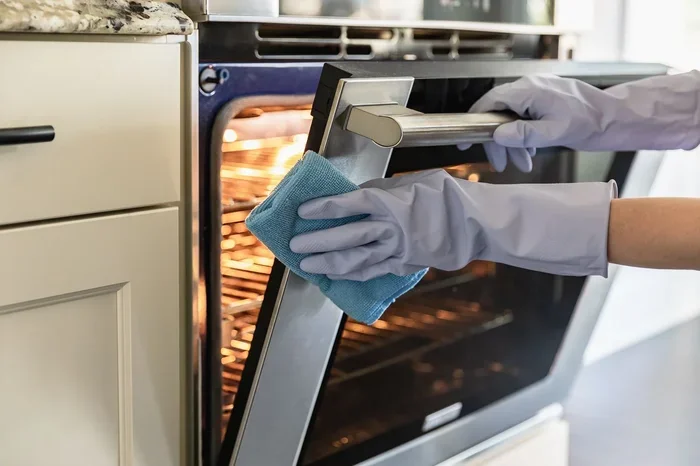
Dirt, grease, and food bits build up inside a propane oven over time. This can block burners, reduce efficiency, and cause uneven heating. I recommend cleaning the oven after every few uses. Remove the grates and the heat diffuser, and wash them with warm soapy water. Wipe down the inside with a damp cloth. Check the burner ports for clogs and clear them with a thin wire. Propane oven maintenance is easy and takes just a few minutes.
Another mistake is ignoring the propane tank. Always store tanks upright and check the pressure regulator. A faulty regulator can cause uneven flames or a complete loss of heat. Replacing a regulator is cheap and keeps your propane oven running at peak energy efficiency.
Propane Oven Recipes and Meal Ideas
Now that you know the basics, it is time to cook. A propane oven can handle everything from weeknight dinners to special desserts. Here are a few simple ideas to get you started.
Easy Weeknight Dinner: Sheet Pan Chicken and Vegetables
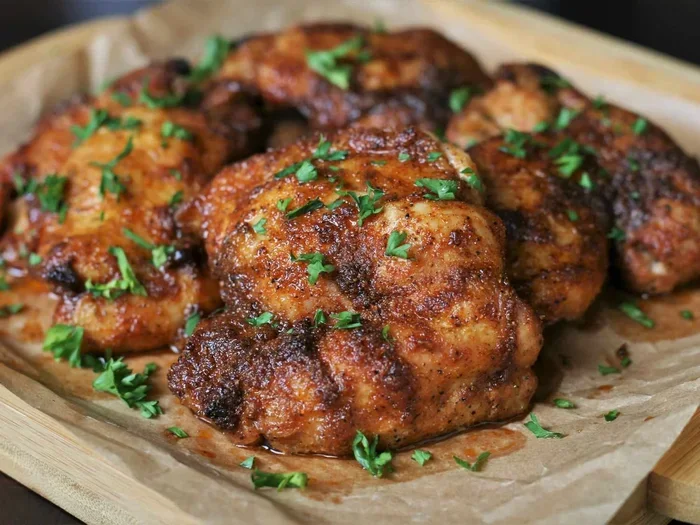
This meal is perfect for a propane oven because it cooks in one pan and requires very little prep. Toss chicken thighs with olive oil, garlic, and your favorite herbs. Add chopped potatoes, carrots, and onions to the same pan. Spread everything in a single layer and roast at 425°F (220°C) for 35-40 minutes. The propane oven will crisp the chicken skin and tenderize the vegetables. You will have a complete, flavorful meal on the table in under an hour.
Campfire Desserts: Campfire Cobbler
A propane oven is not just for savory food. You can make a delicious fruit cobbler while camping. Mix canned peaches or berries with a simple biscuit topping. Pour the filling into a cast-iron skillet and drop spoonfuls of biscuit dough on top. Cover the skillet and bake at 375°F (190°C) for 25 minutes. The propane oven gives you a golden, bubbling dessert that tastes like home. This is a crowd-pleaser for any outdoor cooking adventure.
Expert Insights and Final Thoughts
Seasoned cooks who use a propane oven every day share a few pro tips. First, they always keep a backup propane tank on hand. Running out of fuel mid-cook is frustrating and easy to avoid. Second, they invest in a good oven thermometer. The built-in gauge on many propane oven models is not perfectly accurate, and an extra thermometer gives you precision. Third, they learn to trust their senses. You will soon notice the sound of the flame, the smell of preheating metal, and the color of the food to judge doneness.
Pro Tips from Seasoned Cooks
- Use a pizza stone on the rack for even, crispy-bottomed pizza.
- Place a shallow pan of water on the bottom rack to add moisture for bread baking.
- Let the oven stabilize for 10 minutes after reaching temperature before loading food.
- Keep a spray bottle of water nearby to tame flare-ups when broiling fatty meats.
- Store your propane oven with the tank disconnected and the valve closed.
Key Takeaways for Your Cooking Journey
A propane oven is more than a backup plan. It is a versatile, efficient, and fun way to cook. Whether you are at home, on the road, or in the great outdoors, a propane oven gives you control and confidence. Follow the safety checks, master the temperature, and experiment with different techniques. You will discover that propane oven cooking is simple, rewarding, and full of flavor.
Start with one simple recipe this week. Try baking a basic loaf of bread or roasting a pan of vegetables. Notice how the propane oven heats and how the food turns out. With each use, you will gain skill and intuition. Soon, the propane oven will be your go-to tool for quick, delicious meals.
The beauty of a propane oven lies in its simplicity. There are no complicated settings, no long preheat waits, and no reliance on the power grid. Just a reliable flame, a steady supply of fuel, and your creativity. Embrace the freedom and flexibility that a propane oven brings to your kitchen. You will wonder how you ever cooked without one.
Frequently Asked Questions
Can I use a propane oven indoors?
Yes, but only if the area has excellent ventilation. A propane oven produces carbon monoxide during combustion. Always open a window or door and use a fan to keep the air moving. Never use a propane oven in a tent, small closet, or unventilated room.
How long does a propane tank last in an oven?
A standard 20-pound propane tank can run a propane oven for about 10 to 20 hours of continuous cooking. The exact time depends on the oven size, flame setting, and how often you open the door. Keep a spare tank on hand for longer cooking sessions.
What is the best temperature for baking bread in a propane oven?
Most breads bake well at 375°F to 425°F (190°C to 220°C). A propane oven heats quickly, so preheat for at least 10 minutes. Use an oven thermometer to verify the temperature, because the dial may not be perfectly accurate.
Do I need special pans for a propane oven?
No, you can use the same pans you use in a regular oven. Light-colored metal pans work best for even browning. Avoid glass pans for broiling, as they can crack under direct high heat. Cast iron and aluminum are excellent choices for a propane oven.
How do I clean a propane oven?
Wait until the oven cools completely. Remove the grates and heat diffuser, and wash them with warm soapy water. Wipe the inside with a damp cloth. For tough grease, use a paste of baking soda and water. Never use harsh chemicals on the burner ports, as they can clog the gas flow.
Can a propane oven be used for pizza?
Absolutely. A propane oven makes great pizza because the bottom flame creates a crispy crust. Use a pizza stone or a heavy baking sheet, preheat the oven to its highest setting, and bake the pizza for 8 to 12 minutes. You will get restaurant-quality pizza with a perfectly charred bottom.