Is It Safe To Leave Your Oven Open For Heat At Night
Leaving your oven open for heat is not recommended and can pose serious safety risks. Gas ovens can leak carbon monoxide, while electric ovens create a fire hazard when left unattended. There are much safer and more cost-effective ways to warm your home, such as using a dedicated space heater or improving insulation. Understanding the real dangers helps you protect your family and your home.
Many people wonder about leaving the oven open for heat, especially during cold winter nights. The idea of using your oven as a makeshift heater feels tempting when temperatures drop. You might think it saves money or keeps the kitchen warm while you sleep. But the truth is, this practice carries real and serious risks that many homeowners overlook.
Whether you have a gas or electric oven, leaving the door open creates dangers you cannot ignore. Carbon monoxide poisoning, fire hazards, and wasted energy are just the beginning. In this article, we will explore why this is a bad idea and what you should do instead. We will break down the risks by oven type, share safer heating alternatives, and give you practical tips to keep your home warm and safe. Let us dive in and get the facts straight.
Key Takeaways
- Fire Hazard: Leaving an oven door open creates a serious fire risk, especially near curtains, towels, or other flammable items.
- Carbon Monoxide Danger: Gas ovens emit carbon monoxide, which can build up quickly and become life-threatening in enclosed spaces.
- Not an Efficient Heater: Ovens waste energy and do not effectively heat an entire home, leading to higher bills for minimal warmth.
- Better Alternatives Exist: Space heaters, heated blankets, and proper insulation are far safer and more cost-effective options.
- Nighttime Risk Increases: Leaving an oven running unattended at night amplifies all dangers, especially when you are asleep.
- Know Your Oven Type: Gas and electric ovens each carry unique risks that homeowners should understand before making any decision.
- Prevention Is Key: Simple safety habits and alternative heating methods can keep your home warm without the dangers of an open oven.
📑 Table of Contents
What Happens When You Leave Your Oven Open For Heat
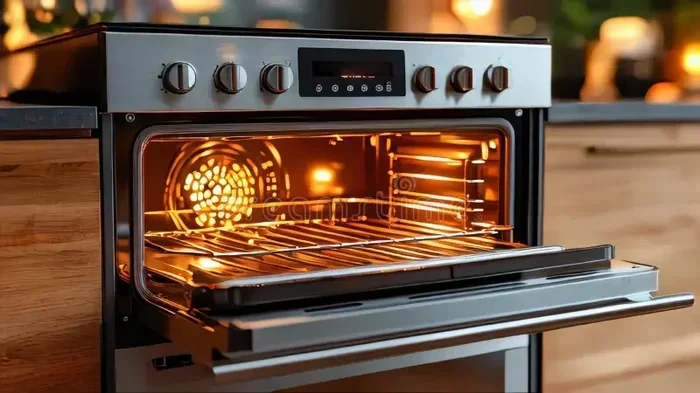
When you leave your oven door open, hot air flows into your kitchen. It might feel cozy for a few minutes. But that warmth comes with consequences. Your oven is designed to cook food, not to heat your home. Using it as a space heater puts stress on the appliance and creates hazards that escalate fast.
The heat output from an oven is very concentrated. It warms a small area near the appliance but does little for the rest of your house. Meanwhile, the energy consumption skyrockets. You end up paying more on your heating bills without getting meaningful warmth. This is one of the main reasons safety experts strongly advise against this practice.
How Ovens Generate Heat
Ovens work by using electricity or gas to produce high temperatures. Electric ovens use heating elements at the top and bottom. Gas ovens use a burner that produces an open flame. Both methods generate intense heat in a confined space. When you leave the door open, that heat escapes into the room instead of staying contained.
Here is the problem. The heat disperses quickly and unevenly. Your kitchen might feel warm for a short time, but the rest of your home stays cold. The oven works harder to maintain temperature, burning more fuel or using more electricity. This inefficiency is a major reason why ovens make poor home heaters.
Is It Safe With A Gas Oven
The short answer is no. Leaving a gas oven open for heat is extremely dangerous. Gas ovens burn natural gas or propane to create a flame. This combustion process produces several byproducts, including carbon monoxide. Carbon monoxide is a colorless, odorless gas that can kill you in high concentrations.
When your oven runs with the door closed, ventilation systems and safety features help manage these byproducts. But when the door is open, the combustion process changes. The flame may burn less efficiently. This increases the amount of carbon monoxide released into your living space. Even small amounts can cause headaches, dizziness, and nausea. High levels can be fatal.
Carbon Monoxide Risk
Carbon monoxide is often called the silent killer. You cannot see it, smell it, or taste it. When a gas oven runs with the door open in a poorly ventilated room, carbon monoxide levels can rise dangerously fast. Sleeping in a house with elevated carbon monoxide levels is especially deadly because you lose consciousness before you even realize something is wrong.
Every year, thousands of people visit emergency rooms due to carbon monoxide poisoning. Many of these cases involve improvised heating methods. A gas oven left running overnight with the door open is one of the riskiest scenarios. Even with a window cracked open, the risk remains significant. A carbon monoxide detector is essential in any home, but it should never replace safe heating practices.
Gas Leak Concerns
Another serious risk with gas ovens is the potential for gas leaks. When the oven runs continuously with the door open, the gas valve stays open longer. This increases the chance of a leak developing. A gas leak can lead to explosions, fires, and serious health problems. If you ever smell gas in your home, leave immediately and call emergency services.
Older gas ovens are especially risky because their seals and valves may be worn. Even newer models are not designed to run continuously for heating purposes. No matter how new your gas oven is, using it as a heater is never a safe choice.
Is It Safe With An Electric Oven
Electric ovens do not produce carbon monoxide, so the gas risk is eliminated. But that does not make them safe for overnight heating. Leaving an electric oven open for heat still poses significant fire hazards. The heating elements reach extremely high temperatures. When the door is open, these elements are exposed and more likely to ignite nearby objects.
Curtains, dish towels, paper products, and plastic items can all catch fire if they get too close to an exposed heating element. An oven left on at high temperatures overnight is a recipe for disaster. Even at lower temperatures, the prolonged operation increases the risk of electrical malfunctions. Wiring can overheat, and components can fail.
Electrical Fire Hazards
Electric ovens draw a lot of power. Running one continuously strains your home’s electrical system. Older homes with outdated wiring are especially vulnerable. Overloaded circuits can trip, spark, or even start fires behind your walls. An electrical fire can spread quickly and silently, especially while you are asleep.
Here are some key risks to keep in mind:
- Overheated wiring in the oven or your home’s electrical system
- Burned-out heating elements that can spark or ignite nearby materials
- Malfunctioning thermostats that fail to regulate temperature
- Prolonged operation that wears out internal components faster
- Proximity to flammable items like curtains, towels, or paper
Energy Costs Add Up Fast
Even if an electric oven somehow did not pose a fire risk, the energy cost would be a dealbreaker. Ovens consume a tremendous amount of electricity. Running one for several hours overnight can add a significant amount to your monthly bill. For the same cost, you could run a proper space heater for days. The inefficiency of using an oven for heating makes it an expensive and impractical choice.
Risks Of Leaving The Oven Door Open At Night
Nighttime is when most people consider leaving the oven on for heat. The house is cold, and you want a warm place to sleep. But leaving an oven running overnight multiplies every risk we have discussed. You are not awake to monitor the situation. You cannot smell gas or see smoke until it is too late.
Sleep adds a layer of danger because your reaction time is zero. If a fire starts, you may not wake up in time. If carbon monoxide builds up, you will not know until symptoms become severe. The idea of waking up to a warm house is appealing, but the consequences of an oven left running overnight can be devastating.
Who Is Most At Risk
Certain groups face higher risks from oven heating at night. Children, elderly individuals, and pets are more vulnerable to carbon monoxide poisoning and fire. Their bodies respond more slowly to dangerous situations. If you have young children or pets, leaving an oven open is never acceptable. Even adults with respiratory conditions face heightened dangers from poor indoor air quality.
People who live in older homes or apartments with limited ventilation face additional risks. Poor airflow means that any harmful byproducts from the oven accumulate faster. Apartments and shared walls also mean that a fire or gas leak in one unit can affect others. Always prioritize safety over temporary comfort.
Insurance And Liability Issues
Did you know that using your oven for heating can affect your homeowners insurance? If a fire starts because you left the oven open overnight, your insurance company may deny your claim. They often classify this as negligence. The resulting financial burden from property damage, medical bills, or temporary housing can be enormous. This is a risk no one should take lightly.
Safer Alternatives To Heat Your Home
The good news is that you have many safe and effective options for staying warm. These alternatives cost less, work better, and do not put your family at risk. Let us explore the best options for heating your home safely during cold weather.
Space Heaters
A dedicated space heater is the best alternative to using your oven for heat. Modern space heaters are designed with safety features like automatic shutoff, tip-over protection, and cool-touch surfaces. They heat a room efficiently and use far less energy than an oven. Place a space heater on a flat surface, away from flammable items, and never leave it running unattended.
Look for models with energy-saving modes and programmable timers. These features let you heat your bedroom before bed and turn the heater off automatically while you sleep. A quality space heater costs a fraction of what you would spend running an oven for hours.
Heated Blankets And Bedding
Sometimes the simplest solution is the best one. A heated blanket or an electric mattress pad warms you directly without heating the entire room. These devices use very little electricity and come with built-in safety timers. You can stay cozy all night without any of the risks associated with an open oven.
Layering bedding is another effective strategy. Wool blankets, flannel sheets, and thermal mattress pads trap body heat and keep you warm. This approach costs nothing extra and works beautifully in combination with a heated blanket for maximum comfort.
Improving Home Insulation
The best long-term solution for staying warm is to prevent heat loss in the first place. Adding insulation to your attic, walls, and floors makes a huge difference. Weatherstripping around doors and windows stops cold drafts from entering your home. Thermal curtains on windows reduce heat loss through glass.
Simple steps like sealing gaps around outlets, using draft stoppers on doors, and covering bare floors with rugs can dramatically improve your home’s warmth. These investments pay for themselves through lower heating bills and a more comfortable living space all winter long.
Central Heating Maintenance
If you have a central heating system, make sure it is working at its best. Change your filters regularly. Schedule annual maintenance with a professional. A well-maintained heating system runs more efficiently, heats your home more evenly, and reduces the risk of breakdowns during the coldest days of the year.
Expert Tips For Using Your Oven Safely
Even if you never plan to use your oven for heating, these safety tips will help you use it responsibly every day. Following these guidelines reduces the risk of fire, injury, and unnecessary energy waste.
Never Leave An Active Oven Unattended
Always stay in the kitchen when your oven is on. Whether you are baking, broiling, or roasting, active cooking requires supervision. Unattended ovens are one of the leading causes of kitchen fires. If you need to step away, turn the oven off first.
Keep The Area Around Your Oven Clear
Maintain at least three feet of clearance around your oven. Remove towels, paper, plastic containers, and any flammable materials from the surrounding area. This simple habit prevents accidental fires and allows proper airflow around the appliance.
Use Your Oven For Its Intended Purpose
Your oven is a cooking appliance. It is not a heating system. Using it for anything other than preparing food wastes energy and introduces unnecessary risks. Treat your oven with the respect it deserves by using it only for cooking.
Install And Test Smoke And Carbon Monoxide Detectors
Every home should have working smoke detectors and carbon monoxide detectors. Test them monthly. Replace batteries twice a year. These devices are your first line of defense against fires and gas leaks. They give you precious seconds to react and protect your family.
Regular Professional Maintenance
Schedule annual inspections for your oven and heating system. A professional technician can identify worn parts, gas leaks, and electrical issues before they become serious problems. Regular maintenance extends the life of your appliances and keeps your family safe.
Common Mistakes People Make With Oven Heating
Many well-meaning homeowners make mistakes when trying to stay warm during cold weather. Recognizing these errors helps you avoid them. Here are the most common misconceptions about using an oven for heat.
Mistake 1: Believing a cracked window makes it safe. Opening a window does not eliminate carbon monoxide risk with a gas oven. The levels can still reach dangerous concentrations. Ventilation helps, but it does not make oven heating safe.
Mistake 2: Thinking low heat is harmless. Even at low temperatures, a gas oven produces carbon monoxide. An electric oven still poses fire risks at any setting. Low heat does not mean low danger.
Mistake 3: Assuming modern ovens are risk-free. Newer ovens have better safety features, but they are still not designed for heating spaces. No oven, regardless of age or model, should be used as a heater.
Mistake 4: Relying on the oven light for warmth. Some people leave the oven light on to gently warm the kitchen. While the light bulb generates some heat, the energy cost and potential for leaving it on too long make this an impractical solution.
Conclusion
So, is it safe to leave your oven open for heat? The answer is a clear and definitive no. Whether you have a gas or electric oven, using it as a space heater puts your family and your home at serious risk. Carbon monoxide poisoning, fire hazards, electrical dangers, and wasted energy all make this practice unacceptable. The risks far outweigh any temporary comfort you might gain.
Fortunately, you have many better options. Space heaters, heated blankets, improved insulation, and well-maintained central heating systems keep you warm safely and efficiently. Make the smart choice this winter. Keep your oven for cooking and use proper heating appliances to warm your home. Your family deserves a safe, cozy, and worry-free winter season.
Share this article with friends and family who might be considering using their oven for heat. Awareness saves lives. Stay warm, stay safe, and always prioritize your well-being over shortcuts.
Frequently Asked Questions
Can I leave my oven open for heat during the day?
No, leaving your oven open for heat is not safe at any time of day. Even during daytime hours, a gas oven produces carbon monoxide and an electric oven poses fire risks. The danger does not go away when the sun is out. Always use your oven only for its intended purpose: cooking food.
What are the signs of carbon monoxide poisoning?
Common symptoms include headaches, dizziness, nausea, confusion, and weakness. These symptoms often feel like the flu, which makes carbon monoxide poisoning dangerous because people may not recognize it. If you suspect carbon monoxide exposure, leave your home immediately and call emergency services. Install carbon monoxide detectors on every floor of your home for early warning.
Is it cheaper to use an oven for heat than a space heater?
No, it is actually more expensive. Ovens consume far more energy than space heaters to produce the same amount of warmth. A space heater heats a room directly and efficiently, while an oven wastes energy by heating a small area unevenly. Using an oven for heat will increase your electricity or gas bill significantly without providing meaningful warmth.
Can I use my oven to preheat my kitchen before cooking?
You can preheat your oven for cooking purposes, but do not leave it open to heat the kitchen. The short period of preheating is normal and safe because you are present and monitoring the appliance. Once cooking begins, close the door and use the oven as designed. The goal should always be food preparation, not home heating.
What should I do if I smell gas near my oven?
If you smell gas near your oven, do not turn any appliances on or off. Do not use matches or lighters. Leave your home immediately and call your gas company or emergency services from outside. Gas leaks are extremely dangerous and require immediate professional attention. Have your gas oven inspected regularly to prevent leaks before they start.
Are there any safe ways to use residual oven heat?
After baking or roasting, you can crack the oven door slightly to let residual heat warm the kitchen briefly. This is a minor and temporary benefit that should never replace proper heating methods. Always turn the oven off completely when you are done cooking. The residual heat should be a pleasant bonus, not a heating strategy.
=== CONCLUSION ===
Leaving your oven open for heat is never a safe choice. The risks of carbon monoxide poisoning, fire hazards, and wasted energy make this practice far too dangerous to consider. Your oven is a valuable kitchen appliance designed for cooking, not for heating your home. By choosing safer alternatives like space heaters, heated bedding, and proper insulation, you can stay warm all winter without putting your family at risk. Share these safety tips with loved ones and make informed decisions about how you heat your home this season.