What Temp For Homemade Pizza In Oven The Ultimate Guide
The ideal temperature for homemade pizza in oven ranges from 450°F to 500°F for most home setups. Baking pizza at the right temperature ensures a crispy crust, perfectly melted cheese, and a golden finish. Whether you use a pizza stone or a baking sheet, preheating matters just as much as the heat setting. This guide covers every temperature scenario so you can bake pizza at home like a pro.
There is something deeply satisfying about pulling a fresh homemade pizza out of your oven. The aroma fills your kitchen. The crust crackles slightly. The cheese stretches in long, gooey ribbons. But here is the thing most people get wrong: the temperature. Setting the right pizza oven temperature is the single most important step in making great pizza at home. Too low, and you end up with a soggy, pale disc. Too high, and you burn the top before the bottom cooks through.
If you have ever wondered what temp for homemade pizza in oven actually works best, you are in the right place. This guide breaks down everything you need to know. From ideal bake temperatures to oven settings, from pizza stone tips to common mistakes, we cover it all. By the end, you will know exactly how to bake pizza at home and get results that rival your favorite local pizzeria.
Homemade pizza is more than a meal. It is a fun, creative process that brings people together. And getting the pizza baking temperature right is the foundation of everything. Let us dive in.
Key Takeaways
- 450°F to 500°F is the sweet spot for most homemade pizza in a standard oven.
- Preheating your oven for at least 30 minutes ensures even cooking and a crispy crust.
- Different crust types require different temperatures, from thin Neapolitan-style to thick deep dish.
- A pizza stone or steel can dramatically improve your results by retaining and radiating heat.
- Avoiding common mistakes like under-preheating and overloading toppings makes a huge difference.
- Convection ovens work great for pizza but may need a slight temperature adjustment.
- Resting your dough and using quality ingredients elevate your homemade pizza recipe.
📑 Table of Contents
- The Ideal Temperature for Homemade Pizza in Oven
- How to Preheat Your Oven for Perfect Pizza
- Pizza Temperature by Crust Type
- Pizza Stone vs. Baking Sheet: Which Is Better?
- Common Mistakes That Ruin Your Pizza Temperature
- Pro Tips for Restaurant-Quality Homemade Pizza
- The Role of Cheese and Sauce in Pizza Temperature
- How Altitude Affects Your Pizza Oven Temperature
- Frequently Asked Questions
- Conclusion
The Ideal Temperature for Homemade Pizza in Oven
So what is the best temperature to cook pizza in a home oven? The answer depends on a few factors, but most homemade pizza recipes call for a range between 450°F and 500°F. This is the general sweet spot for pizza dough baking in a standard residential oven.
Here is why this range works so well. At 450°F to 500°F, the heat is high enough to create a crispy, golden crust while melting cheese evenly. It also gives you enough time to cook toppings without drying them out completely. The pizza crust temperature on the outside reaches that perfect golden-brown, while the inside stays chewy and airy.
Why 475°F Is the Most Popular Choice
Many home cooks and pizza enthusiasts land on 475°F as their go-to pizza bake temperature. Here is why this number is so popular:
- Even cooking: The heat distributes well across the pizza, cooking the crust, sauce, cheese, and toppings at a balanced pace.
- Great crust texture: At 475°F, you get a crust that is crispy on the outside and soft on the inside.
- Cheese perfection: Cheese melts beautifully at this temperature without burning or turning oily.
- Time-friendly: Most pizzas bake fully in about 10 to 15 minutes at 475°F, which is convenient for weeknight dinners.
When to Go Higher: 500°F and Above
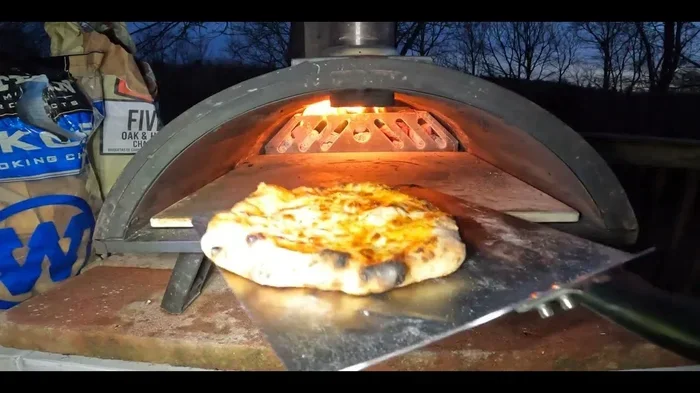
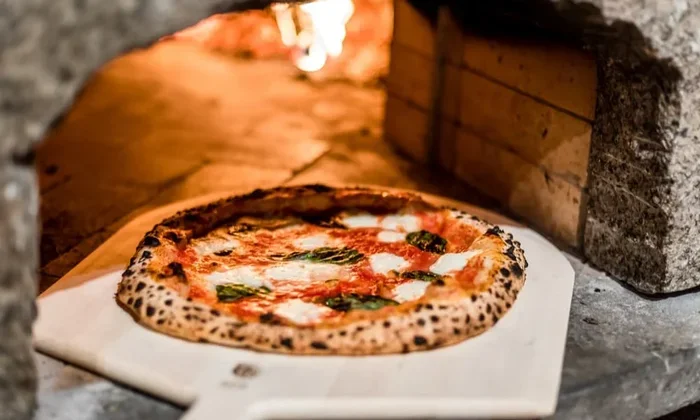
If your oven can handle it, cranking up to 500°F or even 550°F can produce incredible results. This is closer to the Neapolitan pizza temperature used in traditional wood-fired ovens, which can reach 800°F or higher. You will not get the exact same charred, blistered look, but you will get a much crispier crust than you would at lower temperatures.
High heat pizza oven settings work especially well for thin-crust styles. The intense heat cooks the dough quickly, creating that satisfying snap when you bite through the edge. Just keep a close eye on your pizza, because high heat means less time before it goes from perfect to overdone.
How to Preheat Your Oven for Perfect Pizza
Preheating is not just a suggestion. It is a must. When you want to know what temp for homemade pizza in oven works, the preheating process matters just as much as the temperature number itself. A properly preheated oven ensures your pizza dough baking starts immediately, which is critical for a good crust.
How Long Should You Preheat?
Most people do not preheat their oven long enough. For bake pizza at home to turn out right, you need at least 30 to 45 minutes of preheating. This is especially true if you are using a pizza stone or pizza steel. These tools need time to absorb and store heat before they can do their job.
Here is a simple preheating routine:
- Place your pizza stone or baking sheet on the middle rack.
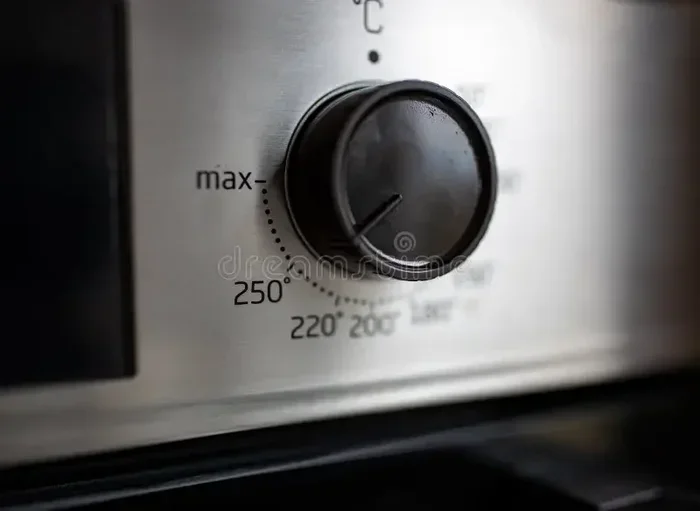
- Set your oven to the desired pizza oven temperature (450°F to 500°F).
- Let the oven preheat for at least 30 minutes. For best results, go 45 minutes.
- Check that the temperature has stabilized before sliding your pizza in.
Does Rack Position Matter?
Absolutely. The middle rack is usually the best position for homemade pizza. It allows heat to circulate evenly around the pizza. If you place your pizza too close to the top, the top burns before the bottom cooks. Too close to the bottom, and the crust can scorch. The middle rack gives you the most balanced pizza cooking time and results.
Quick Tips for Preheating
- Use an oven thermometer. Many ovens run hot or cold. An inexpensive thermometer takes the guesswork out of oven settings for pizza.
- Preheat with the stone inside. The stone needs to heat up along with the oven, not after.
- Do not open the door too often. Every time you open the door, heat escapes and your pizza oven temperature drops.
Pizza Temperature by Crust Type
Not all homemade pizza is the same, and neither should the pizza oven temperature be. Different crust styles call for different heat levels. Here is a breakdown of the best pizza baking temperature for each popular crust type.
| Crust Type | Recommended Temperature | Bake Time | Best For |
|---|---|---|---|
| Thin & Crispy | 500°F to 550°F | 8-12 minutes | Neapolitan-style, cracker crust |
| Classic Hand-Tossed | 450°F to 500°F | 10-15 minutes | Standard homemade pizza |
| Thick & Pan Style | 425°F to 450°F | 15-20 minutes | Deep dish, Chicago-style |
| Whole Wheat or Heavy Dough | 450°F to 475°F | 12-18 minutes | Denser, heartier crusts |
| Flatbread Style | 500°F to 550°F | 6-10 minutes | Minimal topping, crispy finish |
Thin and Crispy Crust
Thin-crust pizza needs high heat to cook quickly. At 500°F to 550°F, the dough crisps up fast, giving you that cracker-like texture. The pizza cooking time is shorter too, usually around 8 to 12 minutes. This style works best with minimal toppings so the crust cooks through evenly.
Thick and Pan-Style Crust
Thick crusts and deep-dish pizzas need lower, slower heat. 425°F to 450°F gives the thick dough enough time to cook through without burning the top. The pizza bake temperature is lower because the dough is thicker and needs more time for the heat to penetrate to the center. Expect a pizza cooking time of 15 to 20 minutes.
Whole Wheat and Dense Doughs
Whole wheat and other heavy doughs benefit from a moderate pizza oven temperature of 450°F to 475°F. These doughs take longer to bake through, and too much heat will burn the outside while leaving the inside raw. A slightly lower temperature gives you a more even bake.
Pizza Stone vs. Baking Sheet: Which Is Better?
This is one of the most debated questions in the world of homemade pizza. The tool you use affects how your pizza cooks, and it interacts directly with your oven temperature for pizza dough. Let us compare.
Pizza Stone
A pizza stone is a thick, porous slab made of ceramic, stone, or cordierite. It absorbs moisture from the dough, which helps create a crispy bottom crust. When preheated properly, a pizza stone acts like the floor of a wood-fired pizza oven, delivering intense, direct heat to the base of your pizza.
Benefits of a pizza stone:
- Creates a significantly crispier bottom crust.
- Retains heat well, even when cold pizza is placed on it.
- Can be used at very high pizza oven temperatures (up to 550°F).
- Lasts for years with proper care.
Drawbacks: Pizza stones take a long time to preheat. They are also fragile and can crack if you expose them to sudden temperature changes.
Baking Sheet
A standard baking sheet is the most accessible tool for bake pizza at home. It is flat, easy to handle, and requires no special care. However, a baking sheet does not absorb moisture the way a stone does, so your crust may not get as crispy on the bottom.
Benefits of a baking sheet:
- Inexpensive and readily available.
- Lightweight and easy to maneuver in and out of the oven.
- Works well for thicker crusts and pan-style pizzas.
- No preheating required (though preheating helps).
Drawbacks: A baking sheet does not provide the same level of crispness as a stone. It also conducts heat less evenly.
Which Should You Use?
If you are serious about homemade pizza and want the best results, invest in a pizza stone or pizza steel. The difference in crust quality is remarkable. But if you are just starting out or do not want to buy extra equipment, a baking sheet works fine. Just make sure to preheat it along with the oven.
Common Mistakes That Ruin Your Pizza Temperature
Even when you know what temp for homemade pizza in oven to use, simple mistakes can sabotage your results. Here are the most common errors people make with pizza oven settings.
Not Preheating Long Enough
This is the number one mistake. A lot of people set the oven to temperature and slide the pizza in after just 10 minutes. The oven has not reached a stable pizza stone temperature yet, and the dough starts steaming instead of baking. Always wait at least 30 minutes before baking.
Overloading the Pizza with Toppings
Too many toppings trap moisture and prevent heat from reaching the dough. The pizza crust temperature on the bottom stays low, and you end up with a soggy center. Keep toppings light and spread them evenly for the best pizza baking temperature results.
Opening the Oven Door Too Often
Every time you open the oven door, you lose a significant amount of heat. Your pizza oven temperature can drop by 25°F to 50°F in seconds. This extends pizza cooking time and prevents the crust from crisping up. Open the door only when you need to check or rotate the pizza.
Using the Wrong Rack Position
We mentioned this earlier, but it deserves repeating. Placing your pizza on the wrong rack leads to uneven cooking. The top may burn while the bottom stays raw, or vice versa. Always use the middle rack for the most balanced pizza baking temperature distribution.
Skipping the Pizza Stone Preheating
If you use a pizza stone or pizza steel, it must be preheated. A cold stone placed in a hot oven will not conduct heat properly. The dough will stick, and the crust will not crisp. Give your stone at least 30 to 45 minutes to absorb heat before baking.
Expert Insight
Professional pizza makers know that pizza dough baking is as much about heat management as it is about ingredients. According to pizza experts, the pizza stone temperature should be at least 400°F before the dough touches it. This ensures immediate crust formation, which is what gives homemade pizza its signature texture.
Pro Tips for Restaurant-Quality Homemade Pizza
Want to take your homemade pizza to the next level? These homemade pizza tips will help you achieve a crispy pizza crust and professional-quality results every time.
Use a Pizza Peel or Flat Baking Sheet
A pizza peel is a flat, paddle-shaped tool that makes it easy to slide your pizza onto a hot stone. If you do not have one, a flat baking sheet works in a pinch. Just dust it with flour or cornmeal to prevent sticking.
Let Your Dough Rest
Never skip the resting step. Letting your pizza dough rest at room temperature for at least 1 to 2 hours before baking allows the gluten to relax. This makes the dough easier to stretch and results in a lighter, airier crust. Cold dough straight from the fridge will not bake evenly at any pizza oven temperature.
Brush the Crust with Olive Oil
A light brush of olive oil on the edges of your crust before baking adds flavor and helps create a golden, crispy finish. This simple trick elevates even the most basic homemade pizza recipe.
Use a Thermometer to Check Internal Crust Temperature
If you really want to get precise, use a food thermometer to check the internal pizza crust temperature. The center of the crust should reach about 200°F when fully baked. This is especially helpful for thicker crusts where visual cues are not enough.
Experiment with Your Convection Setting
If your oven has a convection feature, try using it for pizza. Convection ovens circulate hot air, which cooks the pizza more evenly and can reduce pizza cooking time by a few minutes. Just lower the temperature by about 25°F when using convection mode.
Quick Tips for Perfect Homemade Pizza
- Always preheat for at least 30 minutes.
- Keep toppings light for thin-crust styles.
- Use a pizza stone or steel for the crispiest results.
- Let dough come to room temperature before stretching.
- Rotate your pizza halfway through for even browning.
- Use a pizza peel or parchment paper for easy transfer.
- Experiment with convection oven pizza settings for faster, more even cooking.
- Brush crust edges with olive oil for extra crispiness and flavor.
The Role of Cheese and Sauce in Pizza Temperature
While the oven temperature for pizza dough gets most of the attention, your cheese and sauce also play a role in how your pizza bakes. Understanding this helps you adjust your approach for better results.
Cheese Melting Point
Most pizza cheeses, especially mozzarella, begin to melt around 130°F to 150°F and become fully bubbly and golden at around 300°F to 350°F. The pizza cheese melting point means that by the time your oven is at 450°F to 500°F, the cheese will melt quickly and develop those beautiful brown spots. This is why high heat pizza oven settings work so well for cheese-topped pizza.
Sauce and Moisture Content
Your sauce affects how much moisture reaches the dough during pizza dough baking. A thick, reduced sauce creates less steam and helps the bottom crust stay crispy. A watery sauce can make the crust soggy, even at the right pizza baking temperature. Always use a sauce that has been cooked down and thickened for the best results.
How Altitude Affects Your Pizza Oven Temperature
Here is something many people do not consider: altitude matters. If you live at a high altitude, the lower air pressure affects how your pizza oven temperature translates to your crust. Water boils at a lower temperature at high altitudes, which means your dough may dry out faster or cook differently.
If you live above 3,000 feet, consider increasing your pizza oven settings by about 15°F to 25°F. You may also need to slightly reduce your pizza cooking time because the drier air causes faster evaporation. These small adjustments can make a noticeable difference in your homemade pizza results.
Frequently Asked Questions
What is the best temperature to bake homemade pizza?
The best temperature for homemade pizza in oven is between 450°F and 500°F. This range works for most crust styles and gives you a crispy base, melted cheese, and well-cooked toppings. If you have a pizza stone, preheating it at this temperature for at least 30 minutes will give you even better results.
Can I bake pizza at 400°F?
Yes, you can bake pizza at home at 400°F, but it will take longer and the crust will not be as crispy. 400°F works better for thicker, pan-style pizzas where you want a softer, more bread-like crust. For thin-crust or classic hand-tossed pizza, aim for 450°F or higher for the best texture.
How long should I preheat the oven for pizza?
You should preheat your oven for at least 30 to 45 minutes before baking pizza. This is especially important if you are using a pizza stone or pizza steel, which need time to absorb and radiate heat. A fully preheated oven ensures your pizza dough baking starts immediately, giving you a crispy crust.
Is a pizza stone necessary for homemade pizza?
A pizza stone is not strictly necessary, but it makes a huge difference. It absorbs moisture from the dough and creates a crispy bottom crust that is hard to achieve with a regular baking sheet. If you are serious about homemade pizza, a stone or steel is one of the best investments you can make for your pizza oven temperature results.
What is the Neapolitan pizza temperature for home ovens?
Traditional Neapolitan pizza temperature in a wood-fired oven is around 800°F to 900°F, which is far too high for home ovens. In a standard home oven, the closest you can get is 500°F to 550°F. At this temperature, you will not get the exact charred, leopard-spotted look of a true Neapolitan pizza, but you will get a deliciously crispy crust with a soft, chewy interior.
Can I use a convection oven for pizza?
Yes, convection oven pizza works very well. The circulating hot air cooks the pizza more evenly and can reduce pizza cooking time by a few minutes. When using convection, lower the temperature by about 25°F from your usual setting. So if you normally bake at 475°F, set your convection oven to 450°F for similar results.
Conclusion
Getting the what temp for homemade pizza in oven right is the key to unlocking delicious, restaurant-quality pizza in your own kitchen. The ideal pizza oven temperature for most home bakers falls between 450°F and 500°F, with 475°F being the most versatile and reliable choice. Whether you prefer a thin, crispy Neapolitan-style crust or a thick, hearty deep-dish pie, adjusting your pizza bake temperature and pizza cooking time accordingly will make all the difference.
Remember to preheat your oven thoroughly, use a pizza stone if you have one, and avoid the common mistakes that trip up so many home cooks. With the right oven temperature for pizza dough, quality ingredients, and a little practice, you can bake pizza at home that rivals any pizzeria. So fire up your oven, stretch that dough, and enjoy the process. Your crispy pizza crust is waiting.
The beauty of homemade pizza is that it is yours to customize. Once you master the pizza oven settings and bake temperature, you can experiment with any homemade pizza recipe you like. Try new toppings, try different crusts, and most importantly, have fun with it. The more you bake, the better your instincts will become for pizza oven temperature and pizza baking temperature adjustments.