What Temperature To Cook Homemade Pizza In Convection Oven
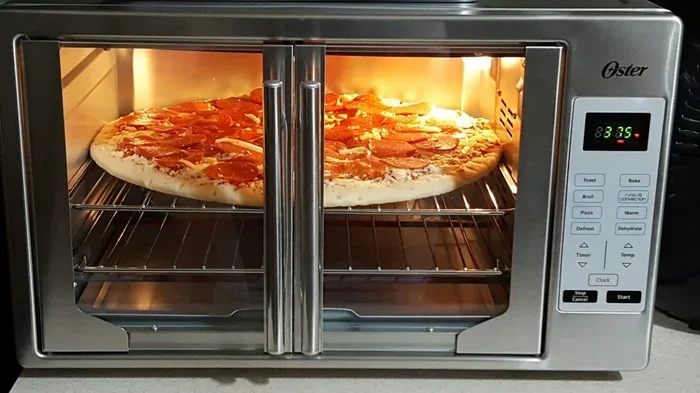
The best temperature to cook homemade pizza in a convection oven is between 425°F and 475°F. Convection ovens use a fan to circulate hot air, which gives you a crispy crust and evenly melted cheese in less time. Follow our simple guide for perfect pizza every single night.
Key Takeaways
- Ideal Temperature Range: Bake at 425°F–475°F for a crispy, golden crust.
- Convection Setting: Use the convection fan for even heat and faster baking.
- Preheat Thoroughly: Always preheat for at least 20 minutes to mimic a pizza oven.
- Rack Position: Place the pizza on the lowest oven rack for a crisp bottom.
- Use a Pizza Stone: A preheated stone boosts crust quality dramatically.
- Watch the Cheese: Pull the pizza when the cheese is bubbly and slightly browned.
- Adjust for Thickness: Thin crust needs higher heat; thick crust needs a slightly lower temp and longer bake.
📑 Table of Contents
The Ideal Temperature to Cook Homemade Pizza in a Convection Oven
Finding the right convection oven temperature for homemade pizza is the single most important step. A convection oven uses a fan to blow hot air around the food. This creates a much more consistent bake than a standard oven. The result is a crispy crust on all sides, not just the bottom.
Most homemade pizza recipes call for a convection oven temperature between 425°F and 475°F. That is about 220°C to 245°C. I usually start at 450°F (230°C) and adjust from there. The fan helps the pizza crust cook evenly. It also melts the cheese perfectly without overcooking the toppings.
Many people wonder if they should use the convection setting or regular bake mode. Always use the convection setting for pizza. The moving air removes moisture from the dough surface. This is what gives you that golden brown, crispy crust you love from a pizzeria. It also cuts down on bake time by about 25 percent.
Why Convection Ovens Change the Game
A regular oven has hot and cold spots. The top of the oven is usually much hotter than the bottom. This can burn the cheese before the pizza dough is fully cooked. A convection oven fixes this problem. The fan pushes the hot air around the entire cavity.
This means every part of your homemade pizza gets the same amount of heat. The pizza stone or baking sheet stays evenly hot. The crust bakes from all sides at once. You get even browning on the bottom and the top. The cheese melt is smooth and uniform. No more sad, soggy patches or burnt edges.
Quick Tip: If your convection oven has a “pizza” or “bread” setting, use it. These modes automatically set the fan speed and temperature for the best crispy crust.
Common Mistakes with Convection Oven Temperature
The biggest mistake is guessing the temperature. Do not just set the dial to 400°F and hope for the best. Another error is opening the oven door too often. Every time you open the door, you lose heat and stop the fan from working properly. Also, many people place the pizza too high in the oven. The top will burn before the bottom crisps up.
Expert Insight: Always use an oven thermometer. The dial on your oven can be off by 25°F or more. An inexpensive thermometer takes the guesswork out of baking pizza. It ensures your convection oven temperature is exactly where it should be.
How to Prepare Your Pizza Dough and Toppings
The temperature is only half the battle. How you prep your pizza dough and toppings matters just as much. A well-prepared homemade pizza goes into the oven ready to bake perfectly. This section covers the basics of dough handling, sauce, and cheese.
Getting the Dough Right
Start with room temperature dough. Take it out of the fridge 30 minutes before you plan to bake. Cold dough will not stretch easily and will bake unevenly. Flour your work surface lightly. Use your hands to stretch the dough into a circle or rectangle. Do not use a rolling pin if you can avoid it. Rolling pins push out all the air bubbles. Air bubbles are what give a pizza crust its light, airy texture.
Transfer the stretched dough to a pizza peel dusted with flour or cornmeal. The peel makes it easy to slide the pizza onto the hot pizza stone or baking sheet. If you do not have a peel, a flat baking sheet works too. Just make sure the dough does not stick.
Sauce and Cheese Selection
Less is more with pizza sauce. A thin layer is all you need. Too much sauce makes the crust soggy. Spread it evenly, leaving a half-inch border for the crust. For cheese, use fresh mozzarella if possible. Shredded low-moisture mozzarella melts beautifully and has great flavor. You can mix in a little parmesan for extra saltiness.
Quick Tip: Pre-cook any wet toppings. Fresh mushrooms, bell peppers, and onions release water in the oven. That water steams the pizza crust and makes it soft. Sauté them for two minutes on the stove first. This keeps your homemade pizza crispy.
Key Takeaways for Pizza Prep
- Use room temperature dough for easy stretching.
- Stretch by hand to keep air bubbles intact.
- Apply a thin layer of pizza sauce to avoid sogginess.
- Pre-cook wet vegetables to remove excess moisture.
- Use a pizza peel or floured baking sheet for easy transfer.
Step-by-Step Baking Process
Now that your pizza is ready, it is time to bake. This section walks you through the exact steps. Follow them closely for the best crispy crust and perfectly melted cheese.
Preheating and Rack Position
Preheat your convection oven to 450°F (230°C). Do this for at least 20 minutes. The oven needs time to reach a steady, high heat. If you have a pizza stone, place it on the lowest oven rack while preheating. The stone needs to be screaming hot before the pizza touches it.
The rack position is critical. Always bake homemade pizza on the lowest rack. This puts the pizza crust closest to the bottom heat source. The convection fan will still circulate air around the top. This gives you a crisp bottom and a perfectly browned top. If you place the pizza in the middle, the bottom will be pale and soft.
Baking Time and Visual Cues
Slide the pizza off the peel onto the hot stone or baking sheet. Close the oven door quickly. Set a timer for 8 to 12 minutes. The exact bake time depends on your oven and the thickness of the crust. Thin pizza dough bakes faster. Thick, deep-dish style needs a few extra minutes.
Watch the pizza closely during the last few minutes. You want the cheese to be bubbly and golden brown. The crust edges should look lightly charred. This is called the Maillard reaction. It is what gives pizza its deep, complex flavor. Do not be afraid of a little blackening on the edges. That is flavor.
Common Mistakes: Do not overbake. A convection oven cooks faster than a regular oven. Check the pizza two minutes before the timer goes off. Overbaked pizza crust becomes hard and cracker-like. Nobody wants that.
Quick Tips for Perfect Baking
- Always preheat the pizza stone for at least 30 minutes.
- Use the lowest oven rack for a crispy bottom.
- Check the pizza 2 minutes before the timer ends.
- If the top is browning too fast, cover loosely with foil.
- Let the pizza stone cool completely before cleaning it.
Troubleshooting: Fixing Common Pizza Problems
Even with the right convection oven temperature, things can go wrong. Here are the most common issues and how to fix them. These tips will save your next baking pizza night.
Soggy Crust
A soggy pizza crust is the number one complaint. The main cause is too much moisture. This can come from the sauce, the cheese, or the vegetables. Another cause is a cold pizza stone. If the stone is not hot enough, the dough will steam instead of bake.
To fix this, make sure your pizza stone is fully preheated. Use a thin layer of sauce. Pat your cheese dry with a paper towel if it looks too wet. Also, place the pizza directly on the hot stone. Do not use a greasy baking sheet. The grease adds extra moisture.
Overcooked Edges
If the edges of your pizza crust are burnt but the center is raw, the oven temperature is too high. This happens often with convection ovens because the fan intensifies the heat. Lower the temperature by 25°F and bake for a couple more minutes. You can also move the pizza peel to a higher rack to distance the edges from the direct heat.
Uneven Browning
One side of the pizza is darker than the other. This usually means the convection fan is blowing more heat to one side. Rotate the pizza 180 degrees halfway through the bake. This ensures even browning on all sides. If your oven has a hot spot, you can place a piece of aluminum foil on the opposite side to reflect heat.
Expert Insight: An oven thermometer is your best friend. It tells you the true temperature inside the oven. Without it, you are just guessing. A $10 thermometer can dramatically improve your homemade pizza results.
Pro Tips for Restaurant-Quality Pizza at Home
You do not need a professional pizza oven to make great pizza. A convection oven can produce amazing results if you use the right techniques. These pro tips will elevate your baking pizza game.
Using a Pizza Stone and Peel
A pizza stone is a simple tool that makes a huge difference. It absorbs moisture from the dough and radiates heat evenly. This creates a crispy crust that is hard to achieve with just a metal baking sheet. Preheat the stone for at least 30 minutes at your target convection oven temperature.
A pizza peel is a flat paddle used to slide the pizza in and out. Dust it generously with flour or semolina. This prevents the dough from sticking. If you do not have a peel, you can use an upside-down baking sheet. Just sprinkle it with cornmeal. The cornmeal acts as tiny ball bearings that let the pizza glide.
The Role of an Oven Thermometer
Most oven dials are inaccurate. The actual temperature can be 25°F to 50°F off. This is a huge problem when you are trying to bake homemade pizza at a precise convection oven temperature. An oven thermometer hangs inside the oven and gives you the real reading.
Place the thermometer on the lowest rack where the pizza will bake. Check it before you preheat and again halfway through the bake. If the temperature is too low, adjust the dial and wait another 5 minutes. This small step makes a massive difference in even browning and crust quality.
Experimenting with Different Flours
The type of flour you use changes everything. All-purpose flour gives a soft, slightly chewy pizza crust. Bread flour has more protein, which creates a chewier, more structured base. For a really crispy crust, try using a mix of bread flour and a little semolina flour. Semolina adds a nutty flavor and a golden color. It also absorbs less water, which keeps the crust firm.
Quick Tip: You can add a tablespoon of olive oil to your pizza dough. The oil tenderizes the gluten and helps the crust brown faster in the convection oven. It also adds a subtle richness to the flavor.
Key Takeaways for Pro-Level Pizza
- Always preheat your pizza stone for at least 30 minutes.
- Use a pizza peel or cornmeal-dusted baking sheet.
- An oven thermometer ensures accurate convection oven temperature.
- Experiment with bread flour and semolina for better texture.
- A drizzle of olive oil in the dough improves browning and flavor.
Conclusion: Your Next Pizza Night
Making homemade pizza in a convection oven is easier than you think. The ideal temperature is between 425°F and 475°F. The convection setting gives you a crispy crust and evenly melted cheese in less time. Preheat your oven, use a pizza stone, and place the pizza on the lowest rack. These simple steps transform your baking pizza from average to restaurant-quality.
Remember the key takeaways. Use room temperature dough. Keep your sauce thin. Pre-cook wet toppings. And always check your pizza a few minutes early. A convection oven works fast, so stay alert. With a little practice, you will nail the perfect bake every single time.
Now it is your turn. Preheat that convection oven to 450°F. Gather your favorite toppings. And make the best homemade pizza you have ever tasted. The crispy crust and perfect cheese melt will be worth every minute. Happy baking!
Frequently Asked Questions
Can I use a regular baking sheet instead of a pizza stone in a convection oven?
Yes, you can. A regular baking sheet works fine, but the crust will not be as crispy. A pizza stone absorbs moisture and conducts heat better. If you only have a baking sheet, place it in the oven while preheating. A hot sheet helps the bottom of the pizza crust crisp up.
How do I know when my homemade pizza is done?
Look for a few clear signs. The cheese should be bubbly and golden brown. The pizza crust edges should look lightly charred. The bottom of the crust should be golden brown when you lift the pizza with a spatula. If the cheese is browning too fast, loosely cover the pizza with foil for the last minute or two.
What is the best temperature for thin-crust pizza in a convection oven?
For a thin pizza crust, use a higher convection oven temperature of 475°F (245°C). The high heat crisps the thin dough quickly without drying it out. Bake for 8 to 10 minutes. Watch it closely because thin crust can go from perfect to burnt in just a couple of minutes.
Should I use the convection setting or regular bake for pizza?
Always use the convection setting. The fan circulates hot air around the pizza, giving you an evenly crispy crust on all sides. It also reduces bake time by about 25 percent. If your oven does not have a convection fan, just use regular bake mode and increase the temperature by 25°F to compensate.
How long should I preheat the convection oven for pizza?
Preheat for at least 20 minutes. If you are using a pizza stone, preheat for 30 minutes. The stone needs to be fully saturated with heat. This is what gives the pizza crust that immediate sizzle and crispy texture when it hits the hot surface.
Can I bake frozen pizza in a convection oven?
Yes, you can. Follow the instructions on the frozen pizza box, but reduce the bake time by 2 to 3 minutes because the convection fan cooks faster. Place the frozen pizza on the lowest rack. Use a pizza stone if you have one for the crispiest result.