How to Bake Without an Oven Simple Tricks for Beginners
Learning how to bake without an oven is easier than you think. With a few simple kitchen tools and creative methods, you can whip up cakes, breads, and desserts using your stovetop, microwave, or even a campfire. This guide covers the best oven-free baking tricks for beginners who want delicious results without the need for a traditional oven.
Have you ever wanted to bake something delicious but realized your oven is broken, too small, or simply not available? Maybe you live in a small apartment, are camping in the woods, or just want to save energy. Whatever the reason, how to bake without an oven is a skill that can change your kitchen game completely.
The good news is that baking without an oven is not only possible but also surprisingly fun. People have been using alternative methods for centuries. From stovetop skillets to microwave mug cakes, the options are endless. This guide will walk you through every method step by step. You will learn practical tricks, get useful tips, and discover recipes that work beautifully without a traditional oven.
Whether you are a complete beginner or someone looking for new alternative baking methods, this article has something for you. We will cover all the tools you need, the best techniques for each method, and easy recipes you can try right away. By the end, you will feel confident enough to bake almost anything, anywhere. Let us dive in and explore the wonderful world of oven-free recipes together.
Key Takeaways
- Multiple methods work: You can bake using your stovetop, microwave, pressure cooker, or even outdoors with a Dutch oven or campfire.
- Basic tools are enough: You don’t need fancy equipment. A cast iron skillet, heat-proof pans, and foil are all you need to start.
- Stovetop baking is a game changer: Many cakes, breads, and pastries turn out perfectly using simple stovetop techniques.
- Microwave baking is fast and easy: Quick desserts and snacks can be ready in minutes with the right recipe and microwave-safe dish.
- Outdoor baking is fun and rewarding: Dutch oven recipes and foil packet methods open up a whole world of oven-free cooking for camping and backyard gatherings.
- Avoid common mistakes: Using the wrong pan size, skipping heat adjustments, and not checking for doneness are the top pitfalls to watch for.
- Anyone can learn: These simple tricks for beginners make oven-free baking accessible to everyone, regardless of skill level.
📑 Table of Contents
Why You Might Need to Bake Without an Oven
There are many reasons why someone might need to bake without an oven. Understanding your situation helps you pick the right method. Let us look at the most common reasons people turn to alternative baking methods.
Living in Small Spaces
Many people live in apartments or tiny homes where a full oven is not an option. Countertop baking with a microwave or electric skillet works perfectly in these spaces. You do not need a big kitchen to make great treats. A small stovetop setup can produce amazing cakes, muffins, and even bread.
Energy Efficiency and Cost Savings
Ovens use a lot of electricity or gas. If you are trying to save on energy bills, baking on the stovetop or in a microwave uses far less power. This is a smart choice for anyone who wants to cook more sustainably. Baking hacks like these help you reduce your energy footprint while still enjoying homemade food.
Outdoor and Camping Adventures
Camping trips, backyard parties, and picnics do not mean you have to give up fresh baked goods. Outdoor cooking with a Dutch oven or campfire opens up a whole new world of portable baking. Imagine making warm cinnamon rolls over a campfire or baking bread on a portable stove. These experiences are not only delicious but also create lasting memories.
Emergency Situations
Power outages, broken ovens, or temporary living situations should not stop you from baking. Knowing how to bake without an oven prepares you for unexpected moments. A simple stovetop method or a microwave recipe can save the day when you need a quick treat or a special meal.
Essential Tools for Baking Without an Oven
You do not need a lot of fancy equipment to start baking without an oven. In fact, you probably already have most of what you need in your kitchen. Here are the essential tools that make stovetop baking and other oven-free methods a success.
Kitchen Gear You Probably Already Own
Start with the basics. A good quality cast iron skillet is one of the most versatile tools for oven-free baking. It distributes heat evenly and works beautifully on the stovetop. A heavy-bottomed saucepan or pot is also essential for steaming and slow baking methods.
Other useful items include:
- Heat-proof pans and baking dishes that fit on your stovetop
- A microwave-safe mug or bowl for quick microwave baking
- Heavy-duty aluminum foil for wrapping and sealing
- A Dutch oven for outdoor and stovetop baking
- An electric skillet for precise temperature control
- A steamer basket for gentle steaming methods
- Oven-safe thermometers to check internal temperatures
Choosing the Right Pans and Containers
Not all pans work the same way for oven-free baking. For stovetop baking, choose pans with thick bottoms that distribute heat evenly. Thin pans can cause hot spots and uneven cooking. For microwave baking, always use microwave-safe containers. Glass and ceramic work best for even heating.
When using a Dutch oven for camping baking, make sure it is seasoned well. A good Dutch oven retains heat beautifully and creates a mini oven effect. This is one of the most popular Dutch oven recipes methods for baking bread, cakes, and casseroles outdoors.
Stovetop Baking Tricks That Actually Work
Stovetop baking is one of the most reliable methods for baking without an oven. It gives you control over heat and works for a wide variety of recipes. Once you master a few basic techniques, you will be amazed at what you can create on your stovetop.
Using a Cast Iron Skillet for Baking
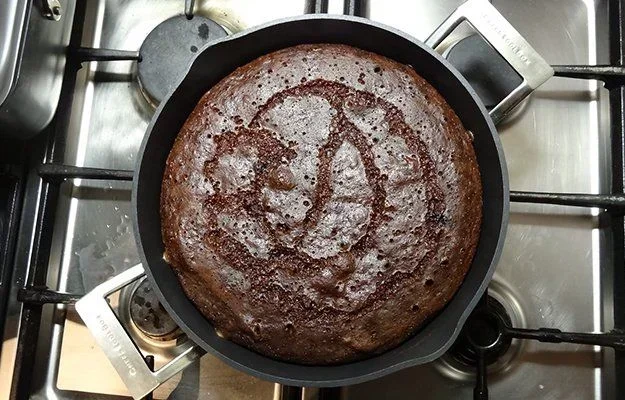
A cast iron skillet is a baker’s best friend when there is no oven available. The heavy iron retains heat wonderfully and creates an even cooking surface. You can bake cakes, cornbread, and even pizza in a cast iron skillet on your stovetop.
Here is how to do it:
- Preheat your skillet on low to medium heat for a few minutes.
- Prepare your batter or dough as you normally would.
- Pour the batter into the warm skillet.
- Cover the skillet with a lid or aluminum foil.
- Bake on low heat, checking regularly for doneness.
- Use a toothpick test to check if your baked good is ready.
Cast iron baking works especially well for dense cakes, cornbread, and skillet cookies. The even heat distribution prevents burning and creates a beautiful golden crust.
Stovetop Cake and Bread Methods
Making a stovetop cake might sound unusual, but it works wonderfully. You can use a deep pot with a tight-fitting lid to create an oven-like environment. The steam trapped inside the pot helps the cake rise and cook evenly.
For bread, the method is similar. Use a heavy pot, add your dough, cover it, and let it bake on low heat. The trapped steam creates a soft, bread-like texture. Many people who try how to bake without an oven are surprised at how well their stovetop bread turns out.
Quick Tips for Stovetop Baking:
- Always use low to medium heat. High heat burns the outside before the inside cooks.
- Cover your pan to trap steam. This helps baked goods rise properly.
- Rotate your pan occasionally for even cooking.
- Use a heat diffuser if your stovetop runs hot.
Electric Skillet Baking for Beginners
An electric skillet is one of the best tools for countertop baking. It gives you precise temperature control, which is crucial for baking. Set it to the right temperature, add your batter, and let it do the work.
Electric skillet baking works great for cakes, pancakes, griddle bread, and even cookies. The flat surface ensures even heat distribution. Many people use their electric skillet as a toaster oven substitute for everyday baking tasks.
Microwave and Pressure Cooker Baking
When speed is your priority, microwave baking and pressure cooker baking are your best friends. These methods produce surprisingly good results and take a fraction of the time compared to traditional oven baking.
Microwave Baking Basics
Microwave baking is perfect for quick desserts, mug cakes, and small batches. The key is to use the right container and not overcook your food. Microwave ovens heat food from the inside out, so you need to adjust your approach compared to oven baking.
Here are some essential tips for microwave baking:
- Use microwave-safe mugs or bowls. Glass and ceramic work best.
- Grease your container well. Microwave baked goods stick easily.
- Do not overfill your container. The batter will rise as it cooks.
- Start with shorter cooking times and check frequently.
- Let your baked good rest for a minute after cooking. It continues to set as it cools.
With microwave baking, you can make mug cakes in under five minutes. These are perfect for when you crave something sweet but do not want to spend hours in the kitchen. Many oven-free recipes start with the microwave as the primary cooking method.
Pressure Cooker Baking Secrets
You might be surprised to learn that a pressure cooker can be used for baking. Pressure cooker baking works by trapping steam and heat inside the sealed cooker. This creates a mini oven effect that bakes cakes, breads, and even desserts beautifully.
To bake in a pressure cooker:
- Remove the pressure valve and sealing ring.
- Place a wire rack or stand at the bottom of the cooker.
- Add your prepared batter to a heat-safe pan.
- Place the pan on the rack inside the cooker.
- Close the lid and cook on low heat for the recommended time.
- Check for doneness using a toothpick or skewer.
This method is popular for baking without an oven because it produces moist, evenly cooked results. The sealed environment prevents the batter from drying out. Many people use this method for no-bake desserts that actually do need some heat to set properly.
Steamer Baking for Healthy Treats
Steamer baking is another gentle method that works well for cakes and puddings. A steamer basket placed over boiling water creates a humid environment that keeps baked goods moist. This method is popular in many Asian cuisines and produces incredibly soft textures.
Steamer baking is ideal for sponge cakes, puddings, and delicate desserts. It uses low, gentle heat that prevents overcooking. If you want to try baking hacks that produce healthy, moist results, steamer baking is worth exploring.
Outdoor and Camping Baking Methods
One of the most exciting aspects of how to bake without an oven is the ability to bake outdoors. Whether you are camping, having a backyard gathering, or simply enjoying the fresh air, outdoor baking adds a whole new dimension to your cooking.
Dutch Oven Baking Over a Fire
Dutch oven recipes for baking are legendary in the outdoor cooking world. A Dutch oven placed over coals or a campfire creates a perfect baking environment. The heavy lid traps heat, and the thick walls distribute it evenly. You can bake bread, cakes, casseroles, and even pizza this way.
For camping baking, here is what you need:
- A seasoned Dutch oven with a tight-fitting lid
- Charcoal briquettes or campfire coals
- Heat-proof gloves for handling the hot oven
- A flat, stable surface to place the Dutch oven on
The technique is simple. Place coals under and on top of the Dutch oven lid. This creates all-around heat that mimics an oven. Most Dutch oven recipes call for a 350-degree equivalent temperature, which you can achieve with the right coal arrangement.
Foil Packet and Portable Baking
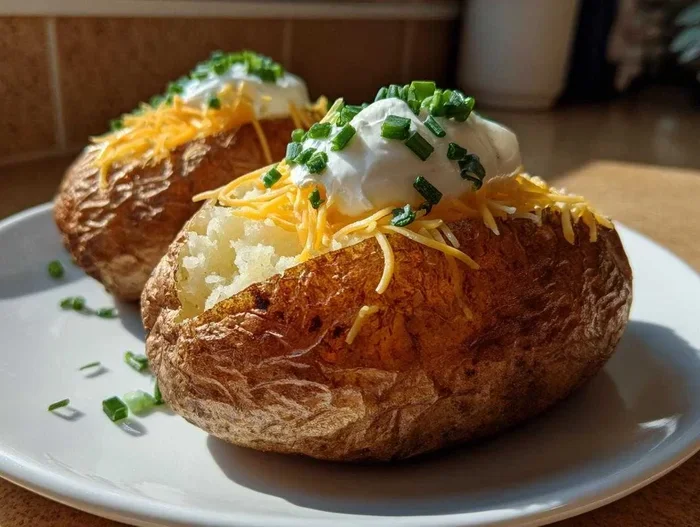
Foil packet baking is one of the easiest and most versatile outdoor cooking methods. You can wrap ingredients in heavy-duty aluminum foil and place them on hot coals or a grill. This method works for baking potatoes, cooking fish, and even making simple desserts.
Portable baking with foil packets is perfect for camping trips. They are lightweight, easy to clean, and require minimal equipment. Simply wrap your ingredients, place them on heat, and wait for the magic to happen. This is one of the most popular baking hacks for outdoor enthusiasts.
Easy Oven-Free Recipes to Try Today
Now that you know all the methods, let us put them into practice. Here are some simple recipes that prove how to bake without an oven can produce amazing results.
Stovetop Vanilla Cake
This stovetop cake uses a deep pot and a lid to create a fluffy, delicious cake. Mix your batter, pour it into a greased pan, cover with a lid, and bake on low heat for about 30 minutes. The steam inside the pot helps the cake rise beautifully. It is one of the easiest oven-free recipes for beginners to try.
Microwave Mug Cake
A microwave mug cake is the ultimate quick dessert. Mix flour, sugar, cocoa powder, oil, and milk in a mug. Microwave for 90 seconds and enjoy a warm, chocolatey treat. This is the perfect example of microwave baking done right. You can customize it with toppings like whipped cream or berries.
Campfire Dutch Oven Bread
Fresh bread baked over a campfire is an unforgettable experience. Mix a simple bread dough, let it rise, and place it in a greased Dutch oven. Cover and cook over coals for about 45 minutes. The result is a warm, crusty loaf that tastes incredible. This is one of the best Dutch oven recipes for anyone learning how to bake without an oven.
Pressure Cooker Chocolate Cake
Yes, you can make a rich chocolate cake in a pressure cooker! Prepare your cake batter, pour it into a greased pan, place it on a rack inside the cooker, and cook on low for about 25 minutes. The result is a moist, tender cake that rivals any oven-baked version. This is a favorite among fans of pressure cooker baking.
Foil Packet Banana Boats
For a simple and fun dessert, try foil packet banana boats. Place a banana in a foil packet with chocolate chips and a sprinkle of nuts. Wrap it up and place it on hot coals for about 10 minutes. The banana gets soft and warm, and the chocolate melts into a delicious treat. This is one of the simplest foil packet baking recipes for beginners.
| Method | Ease of Use | Time Required | Best For | Equipment Needed |
|---|---|---|---|---|
| Stovetop Baking | Moderate | 30-60 minutes | Cakes, bread, cornbread | Cast iron skillet, heavy pot |
| Microwave Baking | Very Easy | 2-10 minutes | Mug cakes, quick desserts | Microwave-safe mug or bowl |
| Pressure Cooker Baking | Moderate | 20-40 minutes | Cakes, puddings, breads | Pressure cooker, rack |
| Dutch Oven Outdoor Baking | Intermediate | 40-90 minutes | Bread, casseroles, pizza | Dutch oven, coals, gloves |
| Foil Packet Baking | Very Easy | 10-30 minutes | Simple desserts, sides | Aluminum foil, heat source |
Common Mistakes to Avoid When Baking Without an Oven
Even with the best recipes, mistakes can happen. Here are common pitfalls to watch out for when you are learning how to bake without an oven.
- Using the wrong heat level: Too much heat burns the outside while leaving the inside raw. Always start low and adjust as needed.
- Skipping the preheat: Just like an oven, your pan or skillet should be warm before you add batter. This helps with even cooking.
- Not checking for doneness: Without a clear visual cue like oven browning, use a toothpick test or gently press the center to check if it is set.
- Using the wrong pan size: A pan that is too large or too small affects cooking time and results. Match your pan to the recipe.
- Opening the lid too often: Every time you lift the lid during stovetop baking, you lose heat and steam. This can affect how your baked good rises.
Expert Insight: Professional bakers who specialize in stovetop baking recommend always having a lid that fits tightly. The trapped steam is what makes oven-free baking successful. Without proper steam retention, your cakes and breads may turn out dense or flat. Invest in good-quality lids and heat-proof pans to get the best results every time.
Conclusion
Learning how to bake without an oven opens up a world of possibilities in your kitchen and beyond. Whether you are baking on the stovetop, using a microwave, pressure cooking, or baking over a campfire, the results can be just as delicious as traditional oven-baked goods. The methods covered in this guide give you the flexibility to bake almost anything, anywhere, with minimal equipment.
Start with the simplest methods like microwave mug cakes or foil packet desserts. As you gain confidence, try more advanced techniques like stovetop cake recipes or Dutch oven recipes for outdoor baking. Each method offers unique benefits and flavors that make oven-free baking an exciting adventure.
Remember, the key to successful baking without an oven is patience and practice. Do not be afraid to experiment with different tools and techniques. Every baker starts somewhere, and these simple tricks for beginners give you everything you need to get started. So grab your cast iron skillet, preheat your stovetop, and start baking today. Your delicious creations are just a few simple steps away.
The beauty of alternative baking methods is that they encourage creativity and resourcefulness. You will discover new flavors, textures, and techniques that make your baking journey more exciting. Embrace the process, enjoy the results, and share your oven-free creations with friends and family. Happy baking!
Frequently Asked Questions
Can I bake a cake without an oven?
Yes, absolutely! You can bake a cake using your stovetop, microwave, or pressure cooker. A stovetop cake uses a deep pot with a lid to trap steam and help the cake rise. Microwave mug cakes are the fastest option and take less than five minutes. Each method produces a delicious cake with a slightly different texture.
What is the easiest method for baking without an oven?
Microwave baking is the easiest method for beginners. You simply mix your ingredients in a microwave-safe mug or bowl and cook for a few minutes. It requires minimal equipment and produces quick results. Stovetop baking with a cast iron skillet is another great option that gives you more control over the cooking process.
Can you use a pressure cooker for baking?
Yes, a pressure cooker works well for baking cakes, breads, and puddings. You remove the pressure valve and sealing ring, place a rack at the bottom, and put your batter in a heat-safe pan inside the cooker. The trapped steam creates an oven-like environment that bakes your food evenly and keeps it moist.
What tools do I need for stovetop baking?
The essential tools for stovetop baking include a cast iron skillet or heavy-bottomed pan, a tight-fitting lid, and a heat diffuser if your stove runs hot. A microwave-safe mug or bowl is also helpful if you want to try microwave baking as well. These basic tools are enough to get started with oven-free recipes.
Is baking without an oven as good as oven baking?
While the texture may be slightly different, oven-free baking produces delicious results that are just as satisfying. Stovetop and cast iron baking often create a denser, more moist crumb compared to oven baking. Microwave baking is lighter and faster. Each method has its own charm, and with practice, you can achieve excellent results with any technique.
Can I bake bread on a stovetop?
Yes, you can bake bread on a stovetop using a heavy pot or Dutch oven. The method involves trapping steam inside the pot, which helps the bread rise and develop a soft crumb. This technique is similar to how artisan bread is baked in professional settings. Many bakers consider stovetop bread baking to be one of the most rewarding alternative baking methods to master.