Can Circulon Pans Go In The Oven Without Any Damage
Can Circulon Pans Go In The Oven without any damage? Yes, most Circulon cookware is oven-safe up to 400°F or 500°F, depending on the handle material and product line. This guide reveals the exact temperature limits, safe practices, and common mistakes to keep your pans in perfect condition for years.
Can Circulon Pans Go In The Oven? Yes, most Circulon cookware is oven-safe, but you need to know the right temperature and handle type. Can Circulon Pans Go In The Oven without damage depends on the specific line and how you use it. This guide covers temperature limits, safe practices, and common mistakes to avoid. You’ll learn exactly how to bake, roast, and broil with your Circulon pans confidently.
If you love your Circulon nonstick pans, you might wonder if they can handle the heat of an oven. Many home cooks use the same pan for stovetop searing and oven finishing. But not all cookware is created equal. Can Circulon Pans Go In The Oven is a question that comes up often, especially when you’re making a dish that starts on the burner and finishes under the broiler.
The good news is that Circulon designs many of its pans to be oven-safe. However, the maximum temperature depends on the handle material, the coating, and the specific product line. Using a pan beyond its limit can ruin the nonstick surface or even release harmful fumes. So it’s important to check before you preheat.
This article will give you clear answers. You’ll find out which Circulon lines can go in the oven, what temperatures they can handle, and how to protect your investment. By the end, you’ll know exactly how to use your Circulon cookware safely in any oven setting.
Key Takeaways
- Always Check the Oven-Safe Symbol: Look for the oven icon on the bottom of your pan to confirm the maximum temperature before you preheat.
- Handle Material Dictates the Limit: Stainless steel handles typically allow up to 500°F, while silicone or phenolic knobs are usually limited to 400°F or less.
- Never Exceed the Recommended Temperature: Overheating can warp the pan, damage the nonstick coating, and release harmful fumes.
- Avoid the Broiler Unless Rated: Direct high heat from the broiler element can quickly ruin an oven-safe pan that isn’t specifically broiler-safe.
- Hand Wash for Longevity: Warm soapy water and a soft sponge preserve the nonstick surface far better than a dishwasher.
- Use the Right Utensils: Wooden, silicone, or nylon tools prevent scratches that shorten the life of your Circulon pan.
- Let It Cool Naturally: Sudden temperature changes cause thermal shock, which can warp or crack the pan.
📑 Table of Contents
- The Short Answer: Can Circulon Pans Go In The Oven?
- Understanding Circulon Cookware Materials
- Oven Temperature Limits by Circulon Line
- How to Safely Use Circulon Pans in the Oven
- Common Mistakes That Damage Circulon Pans
- Expert Tips for Long-Lasting Circulon Cookware
- Conclusion: Is It Worth Using Circulon in the Oven?
The Short Answer: Can Circulon Pans Go In The Oven?
The quick answer is yes, but with limits. Most Circulon pans can go in the oven up to 400°F or 500°F. The exact limit depends on the handle type and the nonstick coating. Can Circulon Pans Go In The Oven safely is all about checking the manufacturer’s guidelines for your specific model.
Circulon uses different materials for handles. Some have stainless steel stays-cool handles, while others use silicone or phenolic knobs. These materials determine how much heat the pan can withstand. Always look for the oven-safe symbol on the bottom of the pan or check the product manual.
Here are the general rules to remember:
- Oven-safe up to 400°F: Most Circulon fry pans with silicone or phenolic handles.
- Oven-safe up to 500°F: Lines with stainless steel handles or no detachable parts.
- Not oven-safe: Pans with wooden handles, plastic grips, or non-oven-safe lids.
Following these rules will keep your pan in great shape. You can confidently use it for baking, roasting, and broiling tasks in your kitchen.
Understanding Circulon Cookware Materials
To know why Can Circulon Pans Go In The Oven has limits, you need to understand the materials used. Circulon is known for its nonstick coatings and durable aluminum construction. The base material and the coating both play a role in oven safety. Let’s break down each component so you can make informed choices.
The Nonstick Coating
Circulon’s nonstick surface is typically PTFE-based. PTFE can handle high temperatures, but it starts to break down above 500°F. That’s why most Circulon pans are rated for 400°F or 500°F. Exceeding this can damage the coating and release fumes. Always stay within the recommended limit to keep your nonstick pan oven performance at its best.
The coating is applied in multiple layers during manufacturing. This creates a durable, slick surface that releases food easily. Over time, though, scratches and high heat can wear it down. That’s why respecting the temperature limit is so important for your oven-safe cookware.
The Base Material
Most Circulon pans use hard-anodized aluminum. Aluminum heats quickly and evenly, which is great for oven use. It’s also lightweight and durable. The anodization process makes the surface harder and more resistant to scratches. This means your pan can handle the thermal demands of an oven without warping.
Hard-anodized aluminum is different from regular aluminum. It’s been treated electrochemically to create a hard, oxide layer. This layer doesn’t react with food and can withstand higher temperatures. So your Circulon fry pan or roasting pan stays stable even when the oven is hot.
Handle Materials and Oven Safety
The handle is the biggest factor in oven safety. Here are the common handle types you’ll find on Circulon pans:
- Stainless steel stays-cool handles: These can handle up to 500°F. They are metal, so they’re fully oven-safe.
- Silicone-covered handles: Silicone is heat-resistant up to 400°F or 500°F, depending on the quality. It stays cool to the touch for a while.
- Phenolic plastic knobs: These are oven-safe up to 350°F–400°F. They are durable but have a lower limit.
- Detachable handles: Some Circulon lines let you remove the handle for oven use. This makes the pan fully oven-safe.
Always check the handle material before putting your pan in the oven. A plastic knob that isn’t oven-safe can melt and ruin the pan. Look for the oven-safe symbol or the text on the handle to confirm its rating.
Oven Temperature Limits by Circulon Line
Different Circulon lines have different oven-safe temperatures. Here’s a breakdown of popular lines and their limits. This comparison table will help you quickly find the right temperature for your pan.
| Circulon Line | Oven-Safe Temperature | Handle Type | Broiler Safe? |
|---|---|---|---|
| Circulon Total | Up to 400°F | Silicone or phenolic | No |
| Circulon Premier | Up to 500°F | Stainless steel | No |
| Circulon Infinity | Up to 500°F | Stainless steel | No |
| Circulon Symmetry | Up to 400°F | Silicone | No |
| Circulon Elite | Up to 500°F | Stainless steel | No |
These temperatures are for the oven only, not the broiler. The broiler can reach much higher temperatures and may exceed the pan’s limit. Always check the manual for your specific model. Can Circulon Pans Go In The Oven at broiler temperatures? Usually not recommended unless the pan is explicitly rated for it.
Quick tip: If you’re unsure, err on the side of caution. Use a lower temperature and a timer. You can always increase the heat, but you can’t undo damage from overheating. This simple habit protects your investment in oven-safe cookware.
How to Safely Use Circulon Pans in the Oven
Using Circulon pans in the oven is simple if you follow a few basic rules. These steps will help you avoid damage and keep your nonstick surface intact. Here’s how to do it safely every time you bake or roast.
Step 1: Check the Oven-Safe Symbol
Before you preheat, flip the pan over. Look for an oven-safe symbol on the bottom. It usually looks like an oven with a number inside. That number is the maximum temperature. If you don’t see a symbol, check the product manual or the Circulon website. Never guess when it comes to oven-safe temperature limits.
Many people assume all pans can go in the oven. That’s a risky mistake. A quick glance at the bottom can save you from a ruined pan. Make this a habit every time you reach for your Circulon cookware.
Step 2: Remove Detachable Handles
Some Circulon pans have removable handles. If yours does, take the handle off before placing it in the oven. This not only makes the pan oven-safe but also prevents the handle from getting too hot. It’s a simple step that can extend the life of your nonstick pan oven setup.
Detachable handles are common in Circulon lines designed for versatility. They let you use the pan on the stovetop and then transfer it directly to the oven. Just make sure the handle is stored safely while the pan is in use.
Step 3: Preheat the Oven First
Never place a cold pan in a hot oven. The sudden temperature change can cause thermal shock. This may warp the pan or crack the nonstick coating. Instead, put the pan in the oven before you turn it on. Let it heat up gradually with the oven.
Thermal shock is one of the biggest enemies of cookware. It happens when different parts of the pan expand at different rates. By letting the pan heat slowly, you avoid this stress. Your hard-anodized aluminum pan will thank you with years of reliable service.
Step 4: Use Low to Medium Heat
Even if your pan is rated for 500°F, you don’t need to use that high. Most oven recipes work well at 350°F–425°F. Using moderate heat preserves the nonstick coating and saves energy. Can Circulon Pans Go In The Oven at high heat? Yes, but only if needed and for short durations.
For everyday baking and roasting, 375°F to 400°F is the sweet spot. You get great results without stressing the pan. This is a key practice for maintaining the quality of your oven-safe cookware over time.
Step 5: Avoid the Broiler
The broiler produces direct, intense heat from above. It can easily exceed 500°F and damage the nonstick surface. Unless your Circulon pan is explicitly broiler-safe, keep it away from the broiler element. Use a different pan for broiling tasks like browning the top of a casserole.
If you want a broiled finish, transfer the food to a stainless steel or cast iron pan that’s broiler-safe. This protects your Circulon pan and gives you the perfect golden top. Think of it as a simple kitchen swap that saves your favorite nonstick pan.
Common Mistakes That Damage Circulon Pans
Even with the best intentions, people make mistakes that ruin their nonstick pans. Avoid these common errors to keep your Circulon cookware in top shape. Each mistake is easy to prevent once you know what to watch for.
Using Metal Utensils
Metal forks, knives, and spatulas can scratch the nonstick coating. Over time, scratches cause food to stick and the coating to peel. Use wooden, silicone, or nylon utensils instead. This simple switch can double the life of your pan and keep it performing like new.
Scratches create tiny grooves where food particles get trapped. This makes cleaning harder and can affect your cooking results. Treat your nonstick surface gently, and it will reward you with effortless food release every time you bake or roast.
Overheating an Empty Pan
Never heat an empty Circulon pan on the stove or in the oven. An empty pan can overheat quickly, especially on high heat. This releases toxic fumes from the PTFE coating and permanently damages the nonstick surface. Always add oil or food before heating.
This mistake often happens when you’re multitasking in the kitchen. You set the pan on the heat and get distracted. By the time you return, the coating is already compromised. Keep your pan with food or oil in it, and you’ll avoid this serious risk.
Ignoring the Temperature Limit
Some people think all pans can handle any oven temperature. That’s not true. Putting a pan rated for 400°F in a 500°F oven can warp the handle and ruin the coating. Always respect the manufacturer’s maximum temperature. Can Circulon Pans Go In The Oven beyond their limit? No, and it’s not worth the risk.
Warping changes the shape of the pan. It can cause uneven cooking and make the pan rock on the stove. A warped pan also doesn’t sit flush on the baking sheet, which affects air circulation in the oven. Stay within the limits and your pan will stay flat and functional.
Dishwasher Cleaning
While many Circulon pans are dishwasher-safe, hand washing is better for longevity. The harsh detergents and high heat in dishwashers can degrade the nonstick coating over time. Wash with warm soapy water and a soft sponge. This keeps the surface smooth and nonstick for many more meals.
Dishwasher cleaning is convenient, but it’s a slow killer of nonstick performance. The combination of high heat and strong detergents breaks down the coating gradually. If you must use a dishwasher, place the pan on the top rack and use a gentle cycle. But hand washing remains the gold standard for Circulon cookware care.
Storing Pans Stacked Without Protection
Stacking pans without a protective layer can cause scratches. Place a paper towel or soft cloth between pans when storing them. This prevents metal-on-metal contact and keeps the nonstick surface intact. A little effort in storage pays off in a longer-lasting pan.
Scratches from stacking may not be visible right away, but they accumulate over time. Each scratch reduces the nonstick performance slightly. Eventually, food starts to stick and the pan loses its appeal. A simple layer of protection between pans makes a big difference.
Expert Tips for Long-Lasting Circulon Cookware
Taking care of your Circulon pans will make them last for years. Here are some expert-backed tips to get the most out of your cookware. These habits are easy to adopt and will keep your pans performing beautifully.
Season Your Pan Occasionally
Even though Circulon pans have a nonstick coating, a light layer of oil after washing can help maintain the surface. Rub a tiny amount of vegetable oil on the interior with a paper towel. This fills in micro-scratches and boosts nonstick performance. It’s like giving your pan a little extra armor.
Seasoning won’t fix a damaged coating, but it can prolong the life of a healthy one. Do this once a month or whenever you notice food starting to stick a bit more. It’s a simple step that makes a noticeable difference in your nonstick pan oven results.
Use the Right Bakeware
When baking in Circulon pans, use a baking sheet or cookie sheet underneath if needed. This promotes even heat circulation. For recipes like lasagna or casseroles, make sure the pan fits comfortably in the oven with room for air to flow around it. Good air circulation prevents hot spots and ensures even cooking.
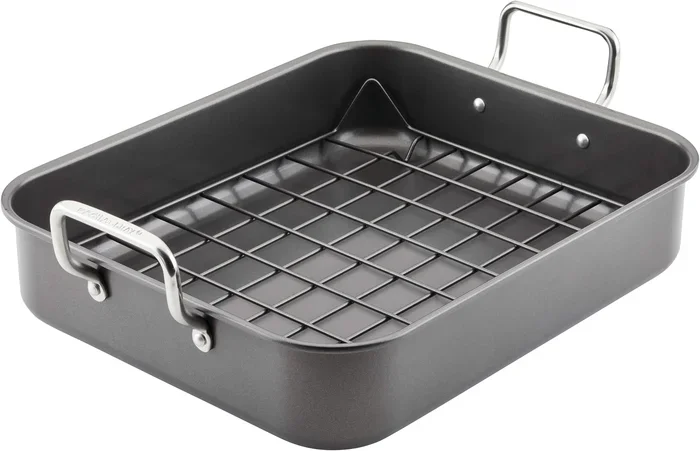
You can also use a roasting pan with a wire rack. The rack elevates the food and allows heat to circulate underneath. This is perfect for roasting vegetables or meats in your Circulon pan. Just make sure the rack fits inside the oven and doesn’t touch the heating elements.
Let the Pan Cool Naturally
After removing a Circulon pan from the oven, let it cool on a trivet or towel. Placing a hot pan on a cold surface can cause warping. Give it time to come down to room temperature before washing or storing. This patience pays off in a pan that stays flat and true.
Rapid cooling shocks the metal and the coating. It can cause the pan to warp or the coating to crack. A cooling rack or a folded towel on the counter works perfectly. Your oven-safe cookware deserves this gentle treatment.
Inspect Regularly
Check your pans for scratches, peeling, or discoloration. If the nonstick coating starts to wear, it’s time to replace the pan. Using a damaged pan can affect food safety and cooking performance. Can Circulon Pans Go In The Oven if they’re damaged? No, replace them first to keep your cooking safe and effective.
Regular inspections take just a few seconds. Hold the pan up to the light and look for any scratches that go through the coating. If you see the aluminum base showing through, the pan needs replacing. This simple habit keeps your kitchen safe and your food tasting great.
Conclusion: Is It Worth Using Circulon in the Oven?
The answer is a clear yes. Can Circulon Pans Go In The Oven without any damage? Yes, as long as you follow the temperature guidelines and handle the pan with care. Circulon cookware is designed to be versatile, moving from stovetop to oven with ease. By understanding your pan’s limits and using it correctly, you can enjoy oven-baked meals with confidence.
Remember to check the oven-safe symbol, avoid the broiler, and hand wash your pans. These small habits make a big difference. With proper care, your Circulon pans will serve you well for many years of cooking. So go ahead, preheat that oven, and bake your favorite dishes in your trusted Circulon cookware.
Whether you’re making a quick weeknight roast or a weekend lasagna, your Circulon pan is up to the task. Treat it right, and it will reward you with delicious meals and easy cleanup every time. Happy cooking!
Frequently Asked Questions
Can Circulon pans go in the oven at 450°F?
It depends on the specific Circulon line. Most Circulon pans with stainless steel handles can handle up to 500°F, so 450°F is safe. However, pans with silicone or phenolic handles are usually limited to 400°F. Always check the bottom of your pan for the oven-safe symbol.
What happens if you put a nonstick pan in the oven above its limit?
Exceeding the temperature limit can warp the pan, damage the nonstick coating, and release harmful fumes. The coating may peel or bubble, ruining the pan. It’s best to stay within the manufacturer’s recommended maximum temperature.
Are Circulon oven mitts or handles stay cool?
Circulon pans with stainless steel stays-cool handles remain cooler than plastic or silicone. However, they can still get warm in a hot oven. Always use an oven mitt when handling a hot pan. Silicone handles also stay relatively cool but can get warm over time.
Can you put a Circulon lid in the oven?
Most Circulon glass lids are oven-safe up to 350°F–400°F. Check the lid for an oven-safe symbol. Never put a plastic or wooden lid in the oven. Using the correct lid helps trap moisture and cooks food evenly.
How do you clean a Circulon pan after oven use?
Let the pan cool completely before washing. Hand wash with warm soapy water and a soft sponge. Avoid abrasive scrubbers that can scratch the nonstick surface. For stubborn stains, soak the pan in warm water for a few minutes before cleaning.
Can Circulon pans go in the convection oven?
Yes, Circulon pans are safe for convection ovens. The circulating hot air cooks food evenly. Just remember the same temperature limits apply. Convection may require lowering the temperature by 25°F compared to a conventional oven, but the pan itself is fine.