How To Cook 5 Lb Beef Tenderloin In Oven The Right Way
Cooking a 5 lb beef tenderloin in the oven is easier than you think. This guide walks you through every step, from prep to plating, so you get a perfect roast every time. You will learn the ideal oven temperature, cooking time, and how to achieve a juicy medium-rare center. Whether you are a beginner or a seasoned home cook, these tips will elevate your beef tenderloin game.
There is something truly special about a perfectly cooked beef tenderloin. It is the kind of dish that turns an ordinary weeknight dinner into a celebration. A 5 lb beef tenderloin in oven might sound intimidating, but here is the truth: it is much simpler than you think.
Whether you are planning a holiday feast or just want to impress your family, this guide covers everything you need. You will learn the right oven temperature for beef tenderloin, how long to cook it, and the small tricks that make all the difference. By the end, you will feel confident enough to roast a tenderloin like a pro.
Key Takeaways
- Bring the meat to room temperature: This ensures even cooking throughout the roast.
- Sear before roasting: A hot sear creates a flavorful crust that locks in juices.
- Aim for 135°F internal temp: This gives you a perfect medium-rare beef tenderloin.
- Rest the roast for 15-20 minutes: Resting lets the juices redistribute for a moist slice.
- Slice against the grain: Proper carving makes every piece tender and easy to chew.
- Season simply and well: Salt, pepper, garlic, and fresh herbs are all you need for a great beef tenderloin seasoning.
📑 Table of Contents
Understanding Your 5 Lb Beef Tenderloin
What Makes Beef Tenderloin So Special
Beef tenderloin is the most prized cut of beef for a reason. It comes from the loin, a part of the cow that does very little work. This means the muscle is incredibly tender and lean. Unlike tougher cuts that need long, slow cooking, tenderloin is best cooked quickly at high heat.
When you compare prime rib vs beef tenderloin, the tenderloin wins on tenderness every time. Prime rib has more fat marbling, which gives it a bolder flavor. But if you want a clean, buttery bite, nothing beats a well-prepared beef tenderloin. It is also the cut behind classic filet mignon steaks, so you already know it is a winner.
Choosing the Right Cut at the Butcher
Not all tenderloins are created equal. When you go to buy a 5 lb piece, look for a bright red color with a thin layer of fat on the outside. Avoid any cuts that look gray or dull. The meat should feel firm but slightly springy when you press it.
Here are a few things to keep in mind:
- Ask your butcher to trim it: A good butcher will remove the silverskin and excess fat for you.
- Check the cost per pound: Beef tenderloin is one of the pricier cuts, usually around $20 to $30 per pound. That is normal.
- Look for consistency: The diameter should be fairly even so it cooks uniformly.
Also, keep in mind that the tenderloin tapers at one end. The thinner part will cook faster, so you may want to fold a towel under it to level the roast. This small trick makes a big difference in oven roasted beef tenderloin results.
Preparing the Tenderloin for the Oven
Bringing the Meat to Room Temperature
This is the step most people skip, and it matters a lot. Take your beef tenderloin out of the fridge at least 45 minutes before cooking. Let it sit on the counter uncovered. This brings the meat closer to room temperature, which means it cooks more evenly.
If you put a cold roast straight into a hot oven, the outside overcooks before the inside is done. That is the number one reason people end up with a gray outer layer and a cold center. Give it time, and your beef tenderloin cooking time will be much more predictable.
Seasoning and Marinating Tips
When it comes to beef tenderloin seasoning, less is more. The meat is already full of flavor, so you do not need a complicated marinade. A simple blend of salt, black pepper, garlic powder, and fresh herbs works beautifully.
Here is a basic seasoning approach that never fails:
- Pat the tenderloin dry with paper towels. Dry meat sears better.
- Rub a thin layer of olive oil all over the roast.
- Generously coat with kosher salt and freshly cracked black pepper.
- Add minced garlic and chopped fresh rosemary or thyme if you like.
Some people like to use a beef tenderloin marinade with soy sauce, mustard, and a touch of honey. That works too, but keep it light. You do not want to mask the natural flavor of the beef. A simple dry rub gives you the cleanest, most elegant result.
Quick Tip: If you have time, apply the seasoning the night before and leave the tenderloin uncovered in the fridge. This dries the surface slightly, which leads to a better sear the next day.
The Perfect Oven Temperature and Time
What Temperature to Cook Beef Tenderloin
The ideal oven temperature for beef tenderloin is 425°F. This high heat creates a beautiful brown crust on the outside while keeping the inside juicy. Some recipes call for a lower temperature, but 425°F gives you the best balance of flavor and texture.
Here is a general guide for a 5 lb beef tenderloin in oven:
- Sear at 425°F for 15 minutes to develop a crust.
- Reduce heat to 375°F and continue roasting.
- Total cook time is roughly 25 to 35 minutes depending on your desired doneness.
Every oven runs a little differently, so use a meat thermometer. That is the only way to know exactly where your roast stands.
Internal Temperature Guide for Perfect Doneness
The beef tenderloin internal temp is the single most important factor in getting your roast just right. Here is what the numbers mean:
| Doneness | Internal Temperature | What It Looks Like |
|---|---|---|
| Rare | 120°F | Bright red center, very soft |
| Medium Rare | 130-135°F | Warm red center, juicy and tender |
| Medium | 140-145°F | Pink center, firmer texture |
| Well Done | 155°F+ | Gray throughout, dry and tough |
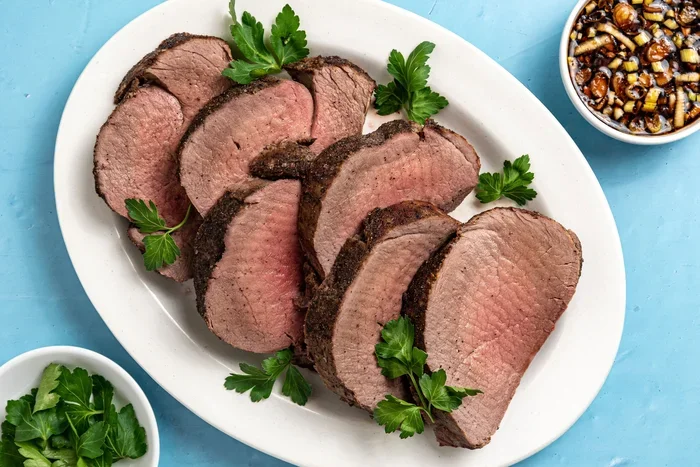
For most people, medium-rare beef tenderloin is the sweet spot. It gives you a warm pink center that is juicy and full of flavor. The USDA recommends 145°F for safety, but for a tenderloin, 135°F is the standard for a great eating experience.
Expert Insight: Remember that the temperature will rise about 5 to 10 degrees after you pull the roast out. This is called carryover cooking. So if you want medium-rare at 135°F, pull the tenderloin out at 125-130°F.
Step-by-Step Cooking Instructions
The Sear and Roast Method
Now let us put it all together. Here is the step-by-step process for cooking a 5 lb beef tenderloin in oven:
- Preheat your oven to 425°F. Let it fully heat up before the roast goes in.
- Heat a cast iron skillet over high heat. Add a high smoke-point oil like avocado or grapeseed oil.
- Sear the tenderloin on all sides. This should take about 2 to 3 minutes per side. You want a deep brown crust.
- Transfer the skillet to the oven. Roast at 425°F for about 15 minutes.
- Reduce the oven to 375°F. Continue roasting for another 15 to 20 minutes, or until the beef tenderloin internal temp reaches 125-130°F for medium-rare.
- Pull the roast out and transfer it to a cutting board. Cover it loosely with aluminum foil.
The searing step is non-negotiable. It adds a layer of flavor through the Maillard reaction, which is just a fancy way of saying the browning creates incredible taste. If you skip it, you will still have a cooked roast, but it will not have that rich, caramelized exterior.
Resting the Meat: Why It Matters
Once your roast comes out of the oven, the temptation is to cut right into it. Resist that urge. Resting beef tenderloin for 15 to 20 minutes is essential. During cooking, the juices get pushed toward the center of the meat. When you let it rest, those juices redistribute evenly throughout the roast.
If you skip the rest, all those juices will flood out onto the cutting board instead of staying in the meat. That is how you end up with a dry roast. The beef tenderloin rest time is just as important as the cooking time itself.
While the meat rests, this is a great time to make a quick pan sauce. Just deglaze the skillet with a splash of beef broth, add a knob of butter, and stir for a minute. Pour it over the slices and you have an instant restaurant-quality finish.
Slicing and Serving Your Beef Tenderloin
How to Carve Properly
Beef tenderloin carving is an art that makes a real difference in every bite. The key rule is simple: always slice against the grain. The grain on a tenderloin runs lengthwise, so you want to cut across it in thin slices, about 1/2 inch thick.
Use a sharp carving knife. A dull knife will shred the meat instead of slicing cleanly. Start from the tapered end and work your way toward the thicker part. Each slice should be uniform in thickness for even cooking and a polished presentation.
Best Side Dishes to Pair
A great beef tenderloin sides spread rounds out the meal beautifully. Here are some crowd favorites:
- Crispy roasted potatoes: Toss baby potatoes with olive oil, garlic, and rosemary. Roast them on a sheet pan at 425°F for 30 minutes.
- Grilled asparagus: Quick, easy, and the char pairs perfectly with beef.
- Creamy mashed potatoes: A classic choice that soaks up any pan sauce.
- Roasted carrots with honey glaze: Sweet and savory, this is a perfect match.
- A simple green salad: Keep it light to balance the richness of the meat.
If you are wondering about sous vide beef tenderloin, that method works well too, but for a 5 lb roast, oven roasting is the most practical and forgiving approach. It gives you more control and a better crust.
Common Mistakes to Avoid
Overcooking the Tenderloin
The biggest mistake people make is overcooking. Beef tenderloin is naturally lean, which means it has very little fat to keep it moist once it dries out. A few extra minutes in the oven can turn a perfect roast into something tough and flavorless.
Always use a reliable meat thermometer. Do not rely on time alone, because every oven is different. Check the temperature early and often as you get closer to the target.
Skipping the Rest Period
We already mentioned this, but it deserves repeating. Cutting into a hot roast immediately is the fastest way to lose all those delicious juices. Patience pays off. Give your tenderloin the full 15 to 20 minutes it needs, and you will taste the difference in every bite.
Not Searing the Meat
Some people skip the sear to save time. That is a mistake. The sear adds depth and complexity to the flavor that you simply cannot get from oven roasting alone. Even if you are short on time, spend those extra 10 minutes on the stovetop. Your taste buds will thank you.
Quick Tip: If your oven runs hot or cold, invest in an oven thermometer. It costs just a few dollars and takes the guesswork out of roasting. This one small tool can transform your results.
Frequently Asked Questions
How long does it take to cook a 5 lb beef tenderloin in the oven?
At 425°F with a sear first, a 5 lb beef tenderloin takes about 35 to 45 minutes total. The sear takes roughly 10 to 12 minutes on the stovetop, and the oven roasting takes about 25 to 35 minutes depending on your target doneness. Always use a meat thermometer to check the internal temperature rather than relying on time alone.
What is the best internal temperature for beef tenderloin?
For medium-rare, pull the tenderloin out at an internal temperature of 125 to 130°F. The temperature will rise 5 to 10 degrees during the resting period, bringing it to a perfect 135°F. For medium, aim for 135°F out of the oven. Avoid going above 145°F, as the meat will start to dry out quickly.
Should I cover beef tenderloin with foil while resting?
Yes, loosely tent the roast with aluminum foil during the resting period. This keeps the meat warm without trapping too much steam, which would soften the crust you worked so hard to build. A loose tent is the sweet spot between keeping warm and maintaining that beautiful sear.
Can I cook beef tenderloin the night before?
You can sear the tenderloin ahead of time and refrigerate it, then finish roasting it just before serving. This is a great strategy for entertaining. Bring the meat back to room temperature for about 30 minutes before putting it in the oven. The beef tenderloin oven recipe works well as a make-ahead component.
How do I know if my beef tenderloin is done without a thermometer?
The touch test is not very reliable for tenderloin, and we strongly recommend using a thermometer. However, if you must, press the center of the roast with your finger. For rare, it will feel very soft. For medium-rare, it will feel soft but with slight resistance. For well done, it will feel firm. That said, a thermometer removes all the guesswork.
Is beef tenderloin the same as filet mignon?
Beef tenderloin is the whole cut, and filet mignon comes from the tapered end of the tenderloin. So all filet mignon is beef tenderloin, but not all beef tenderloin is filet mignon. When you roast a full tenderloin, you get a range of sizes, from thick center cuts to the smaller tapered pieces, each with slightly different cooking times.
Conclusion
Cooking a 5 lb beef tenderloin in oven is one of the most rewarding things you can do in the kitchen. It is a dish that looks impressive but is surprisingly straightforward once you know the basics. The key is in the details: bring the meat to room temperature, season it simply, sear it well, roast it at the right temperature, and let it rest before you cut.
Remember that medium-rare beef tenderloin is the target for most people, and a meat thermometer is your best friend in the kitchen. Do not skip the resting period, and always slice against the grain for the most tender results. With these beef roast tips in your back pocket, you will consistently deliver restaurant-quality roasts that your family and friends will rave about.
The beef tenderloin cost per pound is higher than other cuts, but the flavor and tenderness are worth every penny. It is a cut that deserves to be the star of the table. So the next time you are planning a special meal or just want to treat yourself, fire up that oven and give this beef tenderloin oven recipe a try. You will not be disappointed.