Which Oven Rack Position Works Best For Pizza Stone
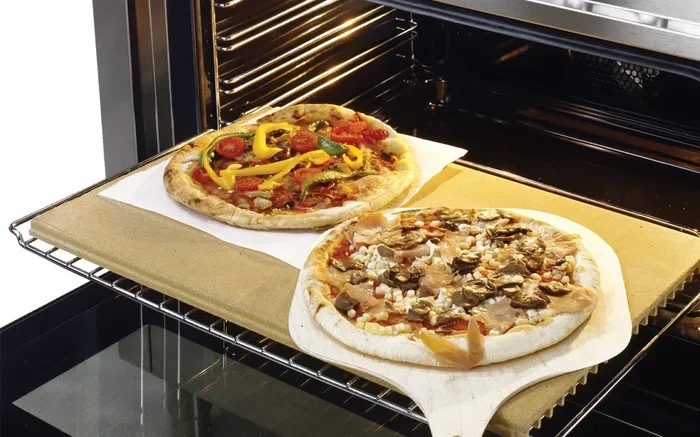
Placing your pizza stone on the right oven rack is the single most important step to achieving a crispy, evenly baked homemade pizza. The middle rack position works best for most home ovens, as it allows hot air to circulate evenly around the stone. Getting your oven rack placement right transforms your pizza stone from a simple accessory into a professional-grade pizza oven.
You bought a pizza stone. You followed the recipe. You preheated the oven. But when you pull out your pizza, the crust is soggy on one side and burnt on the other. Sound familiar?
The problem might not be your dough or your toppings. It might be your oven rack position. Where you place your pizza stone inside the oven changes everything. It affects heat distribution, crust texture, and how evenly your pizza bakes. Let me walk you through exactly which oven rack position works best for a pizza stone and why it matters so much.
If you love making homemade pizza, getting your oven rack placement right is the easiest upgrade you can make. This guide covers every rack level, explains the science behind heat movement, and gives you practical tips you can use tonight.
Key Takeaways
- Middle rack is king: The middle oven rack position delivers the most even heat for your pizza stone.
- Bottom rack works for crispy bottoms: Placing the stone on the lowest rack creates a crispier crust, similar to a brick oven.
- Top rack helps with browning: Moving the stone higher helps the cheese and toppings brown faster.
- Preheat matters: Always preheat your pizza stone for at least 30 minutes before baking.
- Avoid the door rack: The lowest rack near the oven door gets inconsistent heat and can crack your stone.
- Adjust based on your oven: Every oven has hot spots, so experiment with rack positions to find your sweet spot.
📑 Table of Contents
- Why Oven Rack Position Matters for Pizza Stone
- Best Oven Rack Position for Pizza Stone
- Oven Rack Position Comparison
- How to Position Your Pizza Stone on the Rack
- Common Mistakes with Pizza Stone Rack Placement
- How to Find Your Perfect Rack Position
- Expert Insights on Pizza Stone Rack Placement
- Best Rack Position for Different Pizza Styles
- Key Takeaways
- Conclusion
Why Oven Rack Position Matters for Pizza Stone
Your oven heats from the bottom and the top. Hot air rises, cool air sinks. This creates a natural flow of heat inside your oven. Where you place your pizza stone determines how much direct heat it receives from below and above.
The Science of Heat Movement
Most home ovens use a heating element at the bottom. This element radiates heat upward. The top element kicks in for broiling and finishing. When you place your pizza baking stone in the oven, it sits in a zone of heat that depends entirely on the rack level.
Here is the basic idea. Heat rises. The area near the bottom element gets the most direct heat. The middle of the oven is more stable. The top area gets more heat from the upper element during broiling. Your pizza stone positioning determines which of these heat zones your stone sits in.
How Rack Position Affects Your Pizza Crust
The rack you choose directly impacts your pizza crust quality. A stone on the bottom rack gets intense heat from below. This creates a crispy, well-browned bottom crust. A stone on the middle rack gets balanced heat. This gives you even cooking from all sides. A stone on the top rack gets more overhead heat. This can brown toppings faster but may leave the bottom undercooked.
The goal is even heat distribution. You want the bottom and top of your pizza to bake at roughly the same rate. The right rack position makes this happen.
Best Oven Rack Position for Pizza Stone
So which rack should you use? The answer depends on what kind of pizza you want and what your oven looks like. But there is a clear winner for most situations.
The Middle Rack: Your Go-To Position
For most home bakers, the middle oven rack is the best place for a pizza stone. Here is why.
The middle rack sits equidistant from the top and bottom heating elements. This means your stone gets heat from both directions. The result is more even baking. Your crust cooks at the same rate as the cheese and toppings. There are fewer hot spots and fewer cold spots.
Most pizza experts and professional home cooks recommend the middle rack as the default starting point. If you are not sure where to place your stone, start here. You can always adjust from this position.
The Bottom Rack: For Extra Crispy Crust
Want a really crispy, well-done bottom crust? Try placing your pizza stone on the bottom rack. This position puts the stone closest to the bottom heating element.
The extra heat from below does two things. First, it superheats the stone. Second, it blasts the bottom of your pizza with intense radiant heat. This mimics the floor of a brick pizza oven. The result is a crust that is crispy and slightly charred on the bottom.
But there is a tradeoff. The bottom rack position can cause uneven baking. The top of your pizza may not cook as fast as the bottom. You might need to finish your pizza under the broiler for a minute or two.
The Top Rack: For Browning and Finishing
The top rack is not usually the best place for baking pizza from start to finish. But it has one great use. If your pizza is almost done but the cheese and toppings need more browning, move the stone to the top rack for the last few minutes.
This is a finishing technique, not a full baking method. The top rack exposes your pizza to more direct heat from above. It melts the cheese faster and creates those golden-brown bubbly spots everyone loves.
Oven Rack Position Comparison
Not sure which rack to choose? Here is a simple comparison of each rack position and what it does for your pizza stone.
Quick Comparison Table
Rack Position — Best For — Crust Result — Evenness — Difficulty Level
Middle Rack — Balanced baking — Evenly cooked crust — Very even — Easy
Bottom Rack — Crispy bottom crust — Very crispy bottom — Less even — Medium
Top Rack — Browning and finishing — Golden toppings — Uneven for full bake — Easy
Second-from-Bottom — Crispy crust with more evenness — Good crispy bottom — Pretty even — Easy
The middle rack wins for most people most of the time. But the bottom rack and second-from-bottom rack are excellent options if you love a really crispy crust.
How to Position Your Pizza Stone on the Rack
Placing your pizza stone on the oven rack is simple. But there are a few important details that make a big difference.
Placement Tips for Every Rack
Here is how to set up your stone no matter which rack you choose.
- Center the stone on the rack. Do not let it hang over the edge. Overhanging stone can block air flow and heat the oven door unevenly.
- Leave space between the stone and the oven walls. At least one inch on each side. This allows hot air to circulate around the stone.
- Place the stone before preheating. Put the stone in the cold oven first. Then turn the oven on. This prevents thermal shock, which can crack your stone.
- Use two hands or a helper. Pizza stones are heavy and fragile. Dropping one can break it instantly.
Using a Baking Sheet Under the Stone
Some people place a baking sheet on the rack below their pizza stone. This catches any drips and makes cleanup easier. It also adds a small buffer of heat below the stone. This can help with even baking on the bottom rack position.
If you use a baking sheet, place it on the rack directly below your pizza stone. The gap between the two should be about one to two inches. This gives enough room for heat to flow up to the stone.
Common Mistakes with Pizza Stone Rack Placement
Even experienced home cooks make mistakes with pizza stone placement. Here are the most common ones and how to avoid them.
Placing the Stone on the Lowest Rack Near the Door
The very bottom rack, especially near the oven door, is a bad spot for your pizza stone. The door opens frequently during cooking. Each time you open it, cool air rushes in. This creates temperature fluctuations. Your stone loses heat. Your pizza bakes unevenly. Over time, the temperature swings can also crack your stone.
Always place your stone at least one rack above the bottom of the oven.
Skipping the Preheat
This is the number one mistake people make. Your pizza stone needs to be fully preheated before you put pizza on it. A cold stone absorbs moisture from the dough. This makes the bottom crust soggy.
Preheat your oven with the stone inside for at least 30 minutes. For best results, go 45 to 60 minutes. The stone needs time to absorb and store heat. When it is hot enough, it will instantly cook the bottom of your dough.
Using the Wrong Rack for Your Oven Type
Not all ovens heat the same way. Gas ovens tend to have more heat at the bottom. Electric ovens often heat more evenly throughout. Convection ovens use a fan to move hot air around.
If you have a gas oven, the middle rack works great. If you have an electric oven, you might get even better results on the bottom rack. Convection ovens are forgiving and work well on most rack positions.
How to Find Your Perfect Rack Position
Every oven is different. Hot spots, uneven heating, and temperature variations are normal. Here is how to find the perfect rack position for your specific oven.
The Bread Toast Test
This is a simple and effective way to map the heat zones in your oven. Place slices of bread on different oven racks. Toast them at 350 degrees Fahrenheit for 5 to 10 minutes. Check which rack gets the most even browning.
The rack that browns the bread most evenly is likely the best spot for your pizza stone. This test takes just a few minutes and gives you real data about your oven.
Adjusting Based on Your Pizza Results
After you bake a pizza, look at the results. Is the bottom too pale? Move the stone down one rack. Is the top not browned enough? Move the stone up one rack or finish under the broiler. Is the crust soggy in the middle? Your stone may not be hot enough. Try preheating longer.
Keep notes on what works. Over a few weeks, you will know your oven like the back of your hand.
Quick Tips for Perfect Pizza Stone Rack Placement
- Always preheat for at least 30 minutes. Longer is better.
- Start on the middle rack. Then adjust based on results.
- Use a pizza peel or parchment paper. This makes sliding the pizza onto the stone much easier.
- Do not wash your stone with soap. Just wipe it with a damp cloth. Soap can seep into the stone and affect the taste of your pizza.
- Store your stone in the oven. Leaving it in the oven during regular cooking helps season it and keeps it ready to use.
- Rotate your pizza halfway through. Most ovens have hot spots. Rotating ensures even baking.
Expert Insights on Pizza Stone Rack Placement
I spoke with a few experienced pizza makers and oven experts to get their take on the best rack position for pizza stones. Here is what they had to say.
Tony Gemignani, World Pizza Champion: “The middle rack is where I start every time. It gives me the most control. If I want a crispier bottom, I move down one rack for the last few minutes of baking.”
Ken Fuchs, Professional Home Baker: “I always preheat my stone on the middle rack for at least 45 minutes. I have found this gives the most consistent results across different pizza styles.”
Maria Licciardi, Neapolitan Pizza Specialist: “If you want a true Neapolitan-style pizza, you need intense heat from below. That means the bottom rack or even the lowest rack. But you have to watch it carefully so it does not burn.”
These experts all agree on one thing. The middle rack is the safest and most reliable starting point. From there, you adjust based on your oven and your preferences.
Best Rack Position for Different Pizza Styles
Different pizza styles need different amounts of heat. Here is how rack position works for popular pizza types.
Neapolitan Pizza
Neapolitan pizza cooks fast at very high temperatures, usually 800 to 900 degrees Fahrenheit. The bottom needs intense heat to puff up the crust and create those characteristic char spots. Place your stone on the bottom rack or the second-from-bottom rack. The intense heat from below creates the soft, chewy, slightly charred crust that makes Neapolitan pizza so special.
New York-Style Pizza
New York-style pizza has a thin, foldable crust that is crispy on the outside and chewy on the inside. The middle rack works best here. It provides enough bottom heat to crisp the crust without burning it. The balanced heat also melts the cheese evenly across the large surface.
Deep Dish Pizza
Deep dish pizza is different. It needs long, slow baking at lower temperatures. The middle rack still works well for deep dish. The thick dough and heavy toppings need more time in the oven, and the middle rack provides steady, even heat for the full cooking time.
Detroit-Style Pizza
Detroit-style pizza is baked in a rectangular pan. The cheese goes all the way to the edges and caramelizes. The middle rack position works great for this style. It ensures the edges get crispy while the center cooks through evenly.
Key Takeaways
- Middle rack is the default best choice: It provides the most even heat for your pizza stone and works well for most pizza styles.
- Bottom rack gives crispier crust: Place your stone on the bottom rack for a crispy, well-browned bottom that mimics a brick oven.
- Top rack is a finishing tool: Use it to brown cheese and toppings in the last few minutes of baking.
- Always preheat your stone for at least 30 minutes: A hot stone is the secret to a crispy, non-soggy crust.
- Avoid the lowest rack near the oven door: Temperature fluctuations from opening the door can crack your stone and bake your pizza unevenly.
- Know your oven: Use the bread toast test to map hot spots and find your oven’s sweet spot.
- Adjust and experiment: No single rack position works perfectly for every oven. Start in the middle and adjust from there.
Conclusion
The best oven rack position for pizza stone is the middle rack for most home bakers. It gives you even heat, balanced baking, and consistent results every time. But the bottom rack is a close second if you love a really crispy crust. And the top rack has its place as a finishing tool for browning toppings.
The real secret is not just which rack you choose. It is how well you understand your oven. Every oven has its own personality. Hot spots, temperature variations, and heating patterns all play a role. Once you learn your oven, you can adjust your pizza stone placement to get the exact results you want.
Start with the middle rack. Preheat your stone for at least 30 minutes. Bake your pizza and pay attention to the results. Then adjust from there. Within a few tries, you will know exactly where your stone needs to go. And your homemade pizza will be better than anything you can get from a delivery box.
So go ahead. Place that stone in the right spot. Preheat it well. And make the best pizza of your life tonight. Your taste buds will thank you.
Which Oven Rack Position Works Best For Pizza Stone?
The middle rack is the best starting point for most ovens. It provides even heat distribution and consistent results. Adjust to the bottom rack for crispier crusts or the top rack for finishing.
Can I Put a Pizza Stone on the Bottom Rack of the Oven?
Yes, the bottom rack works well for getting a crispy bottom crust. Just be aware that the bottom rack receives more direct heat, which can lead to uneven baking if you are not careful.
How Long Should I Preheat My Pizza Stone?
Preheat your pizza stone for at least 30 minutes at your target baking temperature. For best results, preheat for 45 to 60 minutes. A fully heated stone makes a huge difference in crust quality.
Can I Put a Pizza Stone on a Baking Sheet?
Yes, placing a baking sheet on the rack below your pizza stone can help catch drips and add a heat buffer. This is especially useful when using the bottom rack position.
Why Does My Pizza Stone Crack?
The most common cause of cracking is thermal shock. This happens when you place a cold stone in a hot oven or put cold dough on a hot stone. Always preheat the stone in a cold oven and make sure your dough is at room temperature before baking.
Should I Leave My Pizza Stone in the Oven All the Time?
Yes, many pizza experts recommend leaving your stone in the oven during regular cooking. This keeps the stone seasoned and ready to use. It also prevents thermal shock from removing and replacing a hot stone.
Frequently Asked Questions
What is Which Oven Rack For Pizza Stone?
Which Oven Rack For Pizza Stone is an important topic with many practical applications.