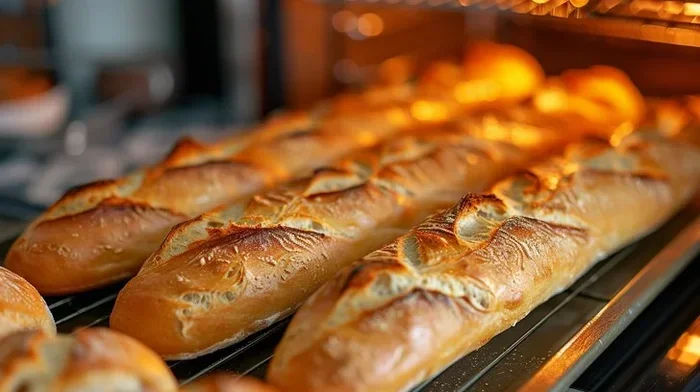
How To Bake A Baguette In The Oven With Easy Steps
Baking a baguette at home is easier than you think. With the right dough, oven temperature, and a few proven techniques, you can create restaurant-quality French bread in your own kitchen. This guide walks you through every step, from mixing the dough to pulling a golden brown, crusty baguette out of the oven.
Key Takeaways
- Use a baking stone or steel: It mimics a professional oven and gives you a crispier bottom crust.
- Add steam during baking: Steam keeps the crust soft early on, allowing maximum oven spring and a glossy finish.
- Score the dough properly: Sharp slashes control where the bread expands and give baguettes their classic look.
- Proof the dough fully: Under-proofed dough leads to dense, heavy bread. Watch for the puffy, jiggly texture.
- Use bread flour for best results: Its higher protein content builds strong gluten for that chewy, airy crumb.
- Cool completely before slicing: Cutting too soon releases steam and makes the inside gummy.
📑 Table of Contents
How To Bake A Baguette In The Oven With Simple Steps
There is something magical about homemade baguette fresh out of the oven. The crackling crusty bread exterior gives way to a soft, airy inside that smells like a Parisian bakery. Many people think making artisan bread at home requires fancy equipment or years of practice. But that is simply not true.
With a basic French bread recipe and a standard home oven, you can produce stunning results. This guide shows you exactly how to bake a baguette in the oven step by step. Whether you are a total beginner or a home cook looking to level up, you will find everything you need right here. Let us get started.
What You Need Before You Start
Before you jump into the process, gather your tools and ingredients. Having everything ready makes the whole experience smoother and more fun. Here is what you will need.
Ingredients for Basic Baguette Dough
- Bread flour (about 3 1/2 cups) — this gives the dough the right strength and chew
- Active dry yeast (or instant yeast) — 2 1/4 teaspoons
- Warm water (around 110°F) — 1 1/4 cups
- Salt — 1 1/2 teaspoons
- Sugar — 1 teaspoon to feed the yeast
- Olive oil — 1 tablespoon for a softer crumb
Essential Equipment
- A large mixing bowl
- A kitchen towel or plastic wrap
- A baguette pan or a plain baking sheet
- A baking stone or baking steel (optional but highly recommended)
- A sharp bread scoring knife or razor blade
- A spray bottle filled with water
Quick Tip: If you do not have a baking stone, a cast iron skillet turned upside down works great too. It provides a hot surface that helps create a beautiful bottom crust.
Making the Baguette Dough
The dough is the heart of every great French baguette. Getting it right means your bread will rise beautifully and bake evenly. Follow these steps carefully, and you will have a smooth, elastic dough in no time.
Step 1: Activate the Yeast
Start by combining warm water, sugar, and yeast in your mixing bowl. Stir gently and let it sit for about 5 to 10 minutes. You should see a foamy layer form on top. This tells you the yeast is alive and ready to work.
If nothing happens, your yeast may be old or the water was too hot or too cold. Start over with fresh yeast and try again. This is a common bread baking tip that saves a lot of frustration.
Step 2: Mix the Flour and Salt
In a separate bowl, whisk together the bread flour and salt. Adding salt separately from the yeast prevents the salt from killing the yeast early on.
Now pour the flour mixture into the yeast mixture. Add the olive oil as well. Stir with a wooden spoon or your hand until a shaggy dough forms. It will look messy at first, and that is perfectly fine.
Step 3: Knead the Dough
Turn the dough out onto a lightly floured surface. Knead it for about 8 to 10 minutes. You want the dough to become smooth, elastic, and slightly tacky.
Here is a simple way to check. Stretch a small piece of dough gently. If it forms a thin, translucent membrane without tearing, your gluten development is on track. This membrane is what gives homemade baguette its chewy texture.
Step 4: First Rise (Bulk Fermentation)
Place the dough in a lightly oiled bowl. Cover it with a damp kitchen towel or plastic wrap. Let it rest in a warm spot for about 1 to 2 hours.
The dough should double in size. This is called proofing bread, and it is a crucial step. The yeast ferments the sugars and creates air pockets that give the bread its light texture.
Expert Insight: For more complex flavor, try refrigerating the dough overnight. Slow, cold fermentation develops deeper taste and better texture. Many artisan bread bakers swear by this method.
Shaping and Proofing Your Baguette
Once the dough has risen, it is time to shape it into those classic long, thin baguettes. Shaping might feel tricky at first, but a few simple techniques make it easy.
How To Shape a Baguette
- Gently punch down the dough to release large air bubbles.
- Divide it into 3 or 4 equal pieces, depending on how thick you want your baguettes.
- Take one piece and roll it into a rectangle about 8 inches long.
- Fold the top third down and the bottom third up, like a letter.
- Press the seam gently with your fingers to seal it.
- Roll the dough back and forth with your hands, applying light pressure, until it forms a long cylinder about 14 inches long.
- Place the shaped baguette on a baguette pan or a parchment-lined baking sheet.
Repeat with the remaining pieces. Cover the shaped baguettes loosely with a towel and let them proof for another 30 to 45 minutes. They should look puffy and slightly expanded.
Why Proofing Matters So Much
Under-proofed dough bakes up dense and heavy. Over-proofed dough collapses in the oven. You want the dough to look pillowy and light. When you gently poke it with a finger, it should slowly spring back about halfway. That is the perfect sign that your baguette dough is ready for the oven.
Scoring and Baking the Baguette
This is where the magic happens. Scoring means making shallow cuts on the surface of the dough before baking. It controls how the bread expands and gives French bread its iconic look.
How To Score Baguette Dough
Hold a sharp bread scoring knife or a razor blade at a 30 to 45 degree angle. Make quick, confident slashes about 1/2 inch deep. Space them about 2 inches apart along the top of each baguette.
Do not overthink it. The slashes do not need to be perfect. They just need to be deep enough and consistent enough to let the bread expand in a controlled way during baking.
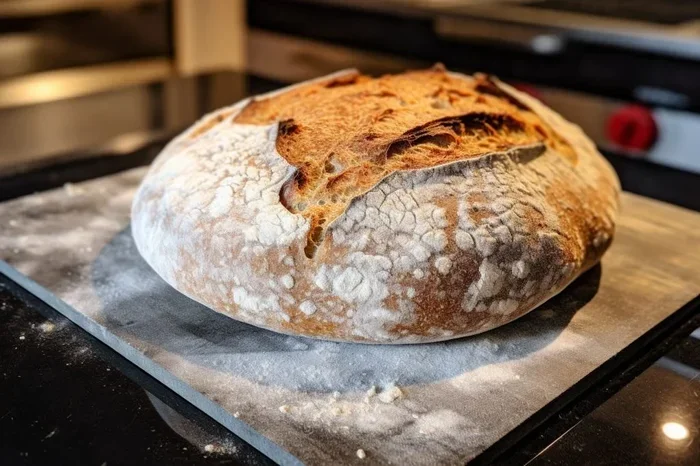
Quick Tip: Lightly dust the scored dough with flour right before baking. This gives the golden brown crust a beautiful, rustic appearance.
Setting the Oven Temperature for Bread
Preheat your oven to 475°F (245°C). If you are using a baking stone or baking steel, place it on the middle rack while the oven preheats. The stone needs to get fully hot before the bread goes in.
Place the baguettes in the oven on the middle rack. Now here is a key step for getting a great crusty bread result.
Adding Steam for Better Rise and Crust
Steam during the first part of baking keeps the crust soft enough to allow maximum oven spring. Oven spring is the final burst of rising that happens in the first few minutes of baking.
Here are three easy ways to add steam:
- Spray method: Spray the inside walls of the oven with water right after you put the bread in. Do this 2 to 3 times in the first 5 minutes.
- Pan of water: Place a small oven-safe pan of boiling water on the rack below the baguettes.
- Dutch oven method: Bake the baguette inside a preheated Dutch oven. The trapped moisture creates a natural steam environment.
Bake the baguettes for 20 to 25 minutes total. During the last 5 minutes, remove any steam source and let the crust fully set. The finished bread should be deeply golden brown and sound hollow when you tap the bottom.
Tips for the Perfect Crust and Crumb
Getting a crispy baguette with a soft, airy inside takes a little practice, but these tips make a huge difference.
Use the Right Flour
Bread flour has a higher protein content than all-purpose flour. More protein means more gluten, which means a chewier, more structured crumb. For the most authentic French bread recipe results, bread flour is the way to go.
Let the Bread Cool Completely
This is one of the most overlooked bread baking tips. When you cut into a hot baguette, steam escapes from the crumb and makes it gummy. Let the bread rest on a wire rack for at least 30 minutes before slicing.
Store Leftovers Properly
Day-old crusty bread can be revived by placing it in a 350°F oven for 5 minutes. Never store baguettes in the refrigerator. The cold makes the starch molecules retrograde, which turns the bread stale much faster.
Comparison: Baking Stone vs. Baking Steel
| Feature | Baking Stone | Baking Steel |
|---|---|---|
| Heat retention | Good | Excellent |
| Heat conductivity | Moderate | Very high |
| Bottom crust | Crispy and even | Extra crispy |
| Price range | Budget-friendly | Mid to high range |
| Weight | Medium | Heavy |
| Best for | Beginners and casual bakers | Serious home bakers |
Both options work wonderfully for baking bread at home. A baking stone is a great starting point. If you find yourself baking frequently, a baking steel is a worthwhile upgrade.
Common Mistakes to Avoid
- Skipping the preheat: A cold oven and cold stone mean flat, dense bread. Always preheat for at least 30 minutes.
- Using too much flour: Excess flour makes the dough dry and tough. Use just enough to prevent sticking.
- Baking at too low a temperature: Low heat dries the bread out before the crust can set properly.
- Not enough steam: Without steam, the crust sets too early and limits oven spring.
- Cutting the bread too soon: Patience pays off. Wait at least 30 minutes before slicing.
Avoiding these simple errors will take your homemade baguette from good to great. Each mistake teaches you something, so do not get discouraged if your first attempt is not perfect.
Expert Insights on Baking Baguettes
Professional bread bakers share a few secrets that make all the difference. Here are some insights that elevate your bread baking at home game.
Cold dough is easier to shape. After the first rise, many bakers refrigerate the dough for 1 to 2 hours. Cold dough holds its shape better and is less sticky. This makes the shaping step much more manageable.
The water matters. Some bakers use filtered or bottled water for their dough. Chlorine and minerals in tap water can affect yeast activity and flavor. If your tap water tastes off, it might affect your bread too.
Experiment with hydration. A higher hydration dough (more water) creates a more open, airy crumb. A lower hydration dough is easier to handle but yields a denser texture. For a classic artisan bread baguette, aim for about 70 to 75 percent hydration.
Practice your scoring. The first few times, your slashes might not look perfect. That is completely normal. With practice, your bread scoring technique will become second nature, and each baguette will look more beautiful than the last.
Final Thoughts
Baking a baguette in the oven at home is one of the most rewarding things you can do in the kitchen. The process teaches patience, builds confidence, and fills your home with an irresistible aroma. From mixing the simple ingredients to pulling a golden, crusty loaf out of the oven, every step brings its own satisfaction.
Start with the basic French bread recipe in this guide. Once you feel comfortable, experiment with different flours, hydration levels, and fermentation times. Each batch will teach you something new. Before long, you will be baking bread at home like a seasoned pro, and your family and friends will not believe you made it yourself.
Remember, great bread does not happen overnight. It takes practice, curiosity, and a willingness to learn from each bake. So preheat that oven, gather your ingredients, and take the first step toward perfect homemade baguette today.
Frequently Asked Questions
Can I use all-purpose flour instead of bread flour for baguettes?
Yes, you can, but the result will be different. Bread flour has more protein, which creates a chewier, more structured crumb. All-purpose flour produces a softer, less chewy baguette. For the most authentic texture, bread flour is the better choice.
How do I know when the baguette is done baking?
The baguette should be deeply golden brown on top and sides. Tap the bottom of the loaf with your knuckle. If it sounds hollow, the bread is done. An internal temperature of 205 to 210°F also indicates perfect doneness.
Can I freeze baguette dough for later use?
Absolutely. After shaping the baguettes, wrap them tightly in plastic wrap and freeze. When you are ready to bake, let them thaw and proof at room temperature for about an hour, then bake as usual. This is a great way to have fresh French bread anytime.
Why did my baguette come out flat?
A flat baguette usually means the dough was under-proofed or over-proofed. Under-proofed dough does not have enough gas to expand. Over-proofed dough collapses in the oven. Make sure the dough doubles in size during the first rise and looks puffy but not deflated before baking.
Do I really need a baguette pan?
No, a baguette pan is not essential. You can place the shaped dough directly on a parchment-lined baking sheet. A baguette pan simply helps hold the shape during baking and promotes even browning. A baking stone or steel gives great results with or without a pan.
How long does homemade baguette last?
A freshly baked crusty bread stays at its best for the first 24 hours. After that, the crust softens, but the inside is still perfectly good. For longer storage, slice the baguette and freeze it. Toast the slices directly from frozen for a quick and delicious treat.
=== CONCLUSION ===
How to bake a baguette in the oven is a skill anyone can learn with a little patience and practice. From preparing the simple baguette dough to scoring and baking it to golden brown perfection, each step brings you closer to bakery-quality results at home. Use the tips, techniques, and insights shared in this guide, and you will be enjoying warm, crispy baguettes with a soft, airy crumb in no time. Start your first baguette recipe today and discover the joy of bread baking at home. You will not regret it.