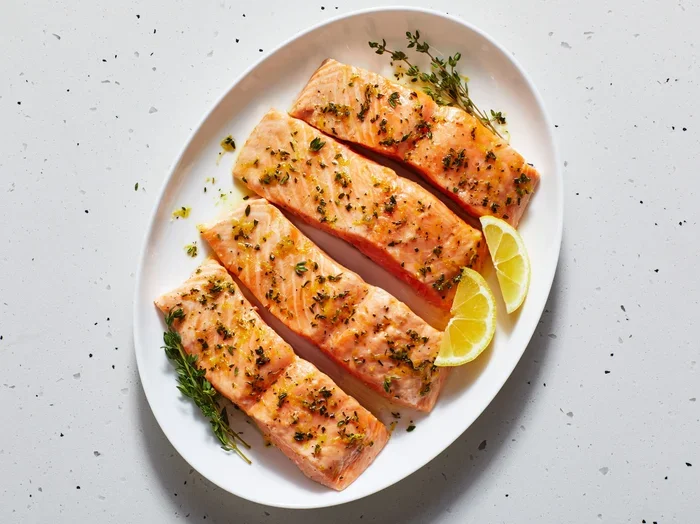
How Long To Broil Tuna Steaks In Oven For Perfection
Broiling tuna steaks in the oven is one of the fastest ways to cook a delicious, restaurant-quality meal at home. The right timing depends on steak thickness, your oven’s broiler, and how you like your tuna cooked. This guide covers exact times, temperatures, and pro tips for perfect broiled tuna steaks every single time.
There is something magical about a broiled tuna steak. It comes out of the oven with a slightly charred exterior and a cool, ruby-red center. The whole process takes less than 15 minutes. No marinating for hours. No complicated techniques. Just a hot oven, a few simple ingredients, and a timer.
If you have ever wondered how long to broil tuna steaks in oven, you are in the right place. This guide gives you exact times, temperatures, and step-by-step instructions. Whether you are a beginner or a seasoned home cook, you will find practical tips here. Let us dive in.
Key Takeaways
- Timing matters most: Thin steaks (less than 1 inch) broil in 4-6 minutes, while thick steaks (1.5+ inches) need 8-12 minutes.
- Preheat your broiler: Always preheat the oven on high for at least 5 minutes before placing tuna inside.
- Use a kitchen thermometer: The ideal internal temperature for medium-rare tuna is 125-130°F, and 140°F for medium.
- Pat the steak dry: Moisture is the enemy of a good sear. Dry tuna steaks get a better crust.
- Season simply: Salt, pepper, olive oil, and lemon are all you need for great flavor.
- Rest the steak: Let it sit for 2-3 minutes after broiling for juicier results.
- Watch it closely: Tuna can go from perfect to overcooked in under a minute, so stay near the oven.
📑 Table of Contents
- Why Broiling Is the Best Way to Cook Tuna Steaks
- How Long To Broil Tuna Steaks In Oven: The Complete Timing Guide
- Preparing Your Tuna Steaks for the Broiler
- Best Oven Settings and Equipment for Broiling Tuna
- Common Mistakes to Avoid When Broiling Tuna Steaks
- Serving and Storing Broiled Tuna Steaks
- Expert Tips for Perfect Broiled Tuna Every Time
- Frequently Asked Questions
- Conclusion
Why Broiling Is the Best Way to Cook Tuna Steaks
The Magic of High-Heat Cooking
Broiling uses direct, intense heat from above. This mimics the effect of a grill or a sear. The top of the tuna gets a beautiful brown crust while the inside stays tender and moist. Broiling tuna steaks in oven is faster than baking and gives you more control than pan-searing.
Here is why broiling works so well for tuna:
- Speed: Most tuna steaks are done in under 10 minutes.
- Simplicity: No special equipment is needed beyond a standard oven.
- Flavor: The high heat creates a Maillard reaction, adding depth and complexity.
- Texture: You get a slightly crispy outside and a silky inside.
- Health: No added oil is needed for cooking, unlike frying.
Tuna is a lean fish. It does not need long cooking times. In fact, overcooking is the biggest mistake people make. Broiling gives you the speed and precision needed to cook tuna perfectly.
How Broiling Differs from Baking
Many people confuse broiling with baking. They are very different. Baking uses indirect, surrounding heat. The temperature is lower and more even. Broiling, on the other hand, uses a single, powerful heat source from the top element. The temperatures can reach 500-550°F depending on your oven.
This difference matters a lot for tuna. Baking a tuna steak at 400°F might take 20-25 minutes. That is too long. The fish dries out before it develops a good crust. Broiling, with its intense top-down heat, sears the surface quickly while keeping the interior rare or medium-rare.
How Long To Broil Tuna Steaks In Oven: The Complete Timing Guide
The answer to how long to broil tuna steaks in oven depends on three main factors. These are thickness, desired doneness, and your oven’s broiler strength. Let us break it all down.
Timing by Thickness
Thickness is the single most important factor. Here is a clear breakdown of broiling times based on steak thickness:
- Thin steaks (less than 0.5 inch): 3-4 minutes per side. Total time: 6-8 minutes.
- Medium steaks (0.5 to 1 inch): 4-5 minutes per side. Total time: 8-10 minutes.
- Thick steaks (1 to 1.5 inches): 5-6 minutes per side. Total time: 10-12 minutes.
- Extra-thick steaks (1.5+ inches): 6-7 minutes per side. Total time: 12-14 minutes.
These times assume you are using a standard home oven on the high broil setting. If your broiler runs hotter, reduce the time by 1-2 minutes. If it runs cooler, add a minute or two.
Timing by Doneness
How you like your tuna cooked changes the timing slightly. Here is what to aim for:
- Rare (deep red center): Pull the steak off about 1 minute earlier than the base time.
- Medium-rare (pink center): Use the base time as your guide. This is the most popular choice.
- Medium (slightly pink center): Add 1-2 minutes to the base time.
- Well-done (no pink): Add 3-4 minutes. But honestly, well-done tuna is not recommended. It becomes dry and loses its flavor.
The internal temperature is your best friend here. A kitchen thermometer takes the guesswork out completely.
Temperature Guide for Broiled Tuna
Target temperatures make a huge difference. Here is what to aim for when you check the internal temp of your tuna steak:
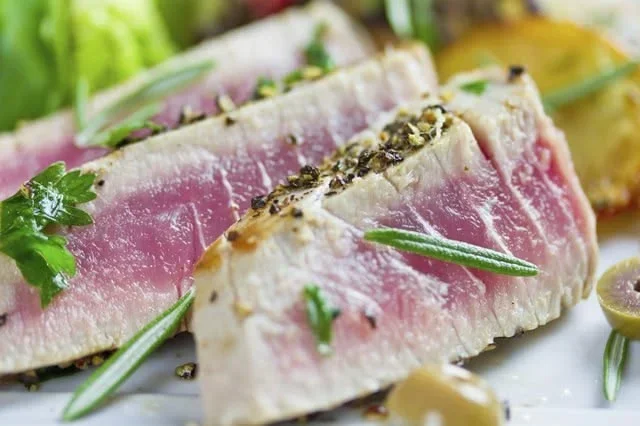
- 120-125°F: Rare. Cool red center. Very soft texture.
- 125-130°F: Medium-rare. Pink center. Tender and juicy.
- 130-140°F: Medium. Slightly pink center. Firm but moist.
- 140°F+: Well-done. Gray throughout. Dry texture.
Most chefs recommend pulling tuna at 125-130°F. The fish will carry over cook for a few degrees after you take it out. This carryover cooking is important to remember.
Quick Reference Table: Broiling Times for Tuna Steaks
| Steak Thickness | Rare | Medium-Rare | Medium |
|---|---|---|---|
| Less than 0.5 inch | 5 min total | 6-7 min total | 8 min total |
| 0.5 to 1 inch | 7 min total | 8-9 min total | 10-11 min total |
| 1 to 1.5 inches | 9 min total | 10-11 min total | 12-13 min total |
| 1.5+ inches | 11 min total | 12-13 min total | 14-15 min total |
Note: These times are for a standard home oven on high broil. Always use a thermometer for best results.
Preparing Your Tuna Steaks for the Broiler
Good prep makes all the difference. You do not need a complicated recipe. But a few simple steps will elevate your broiled tuna steak from good to amazing.
Choosing the Right Tuna
Start with quality fish. Look for center-cut tuna steaks that are at least 0.5 inch thick. Thinner pieces dry out too quickly under the broiler. If you can, buy sushi-grade tuna. It is safer to eat rare and has a cleaner, fresher taste.
Here are some tips for picking great tuna:
- Choose steaks with a deep red or ruby color.
- Avoid steaks that look brown or dull.
- Fresh tuna should smell clean, like the ocean, not fishy.
- Buy steaks that are uniform in thickness for even cooking.
- Frozen tuna steaks work too. Thaw them overnight in the fridge.
Seasoning Your Tuna Simply
Tuna is a delicate fish. It does not need heavy seasoning. A light touch lets the natural flavor shine. Here is a simple approach:
- Pat the steak completely dry with paper towels.
- Brush both sides lightly with olive oil or sesame oil.
- Season with salt and freshly ground black pepper.
- Optional: Add a sprinkle of garlic powder or smoked paprika.
- Optional: Squeeze fresh lemon juice over the top before broiling.
Less is more with tuna. Heavy marinades can mask the natural flavor. If you do want to marinate, keep it short. 15-20 minutes max. Any longer and the acid starts to cook the fish.
Bringing Tuna to Room Temperature
Take your tuna steak out of the fridge 15-20 minutes before cooking. This is a small step that makes a big difference. Cold steak in a hot oven cooks unevenly. The outside gets overdone while the center stays cold.
Room temperature tuna cooks more evenly. The heat penetrates the steak consistently. You get a better sear on the outside and a perfectly cooked center.
Best Oven Settings and Equipment for Broiling Tuna
The right setup in your oven is crucial. It is not just about time and temperature. Your equipment and oven settings play a huge role in the final result.
Setting Up Your Oven
First things first. You need to preheat your broiler. This is a step many people skip. Do not skip it. A preheated broiler gives you an immediate sear when the tuna hits the pan.
Here is how to set up your oven for broiling tuna:
- Turn the oven to the broil setting on high.
- Place the rack in the upper third of the oven.
- Preheat for at least 5-10 minutes.
- Place an oven-safe pan or broiling pan on the top rack while preheating.
- Carefully place the tuna steak on the hot pan.
Some ovens have a “high broil” and a “low broil” setting. Always use high broil for tuna. The intense heat is what creates that beautiful sear.
The Best Pans for Broiling Tuna
Not all pans are created equal. The right pan makes broiling easier and safer. Here are the best options:
- Cast iron skillet: The best choice. It retains heat incredibly well and gives an excellent sear.
- Stainless steel pan: Great for broiling. Heats up quickly and creates a good crust.
- Broiling pan: The traditional choice. The wire rack allows air to circulate underneath.
- Oven-safe sheet pan: Works in a pinch. Line it with foil for easy cleanup.
Avoid non-stick pans for broiling. The high heat can damage the coating. Stick with metal pans that can handle the intense heat of the broiler.
Positioning the Tuna in the Oven
Placement matters more than you might think. The tuna should be about 4-6 inches from the top broiler element. Too close and it burns. Too far and it does not get a good sear.
Here are some positioning tips:
- Keep the oven door slightly cracked for better heat control.
- Watch the tuna closely. It can go from perfect to burnt in seconds.
- Flip the steak halfway through for even cooking on both sides.
- Use tongs to flip. Do not pierce the steak with a fork.
Common Mistakes to Avoid When Broiling Tuna Steaks
Even experienced cooks make mistakes with broiling tuna steaks in oven. Here are the most common errors and how to avoid them.
Mistake 1: Overcooking the Tuna
This is the number one mistake. Tuna is a lean fish with very little fat. It dries out fast. Many people cook it too long because they are used to cooking chicken or beef. Tuna is different. It needs to be quick and precise.
Use a timer. Set it for the minimum time first. You can always put it back for another minute. You cannot un-cook an overdone steak.
Mistake 2: Not Preheating the Broiler
Putting tuna on a cold or lukewarm broiler pan is a waste of time. You will not get a proper sear. The fish will steam instead of char. Always preheat for at least 5 minutes.
Mistake 3: Skipping the Dry Pat
Moisture is the enemy of a good sear. If your tuna steak is wet on the surface, it will steam rather than sear. Always pat it dry with paper towels before seasoning and placing it in the oven.
Mistake 4: Using a Dull Knife to Cut
When it is time to serve, use a sharp knife. A dull knife will crush and shred the delicate tuna. A sharp knife gives you clean slices that look and taste better.
Mistake 5: Ignoring Carryover Cooking
Tuna continues to cook after you take it out of the oven. The internal temperature can rise 5-10 degrees during resting. Pull the steak off a few degrees before your target temp. Let it rest for 2-3 minutes before serving.
Mistake 6: Using Low-Quality Fish
You get what you pay for. Cheap, frozen tuna from the grocery store might not taste as good as fresh or sushi-grade tuna. Invest in quality fish for the best results.
Serving and Storing Broiled Tuna Steaks
Your tuna steak is done. Now what? How you serve and store it affects the eating experience.
Best Ways to Serve Broiled Tuna
Broiled tuna steak pairs well with many sides. Here are some ideas:
- Sesame soy glaze: Drizzle soy sauce, sesame oil, and a touch of honey over the top.
- Lemon butter sauce: Melt butter with lemon juice and a pinch of herbs.
- Simple salad: Arugula, cherry tomatoes, and a light vinaigrette.
- Rice bowl: Serve over jasmine rice with avocado and cucumber.
- Grilled vegetables: Asparagus, zucchini, or bell peppers on the side.
A squeeze of fresh lemon juice right before serving adds brightness. A sprinkle of flaky sea salt on top gives a nice finishing touch.
How to Store Leftover Tuna
If you have leftovers, store them properly. Cooked tuna keeps in the refrigerator for up to 2 days. Place it in an airtight container. Reheat gently in a pan over medium-low heat. Do not microwave it. Microwaving will dry out the fish and ruin the texture.
You can also freeze cooked tuna. Wrap it tightly in plastic wrap and then in foil. It keeps for up to 2 months in the freezer. Thaw overnight in the fridge before reheating.
Expert Tips for Perfect Broiled Tuna Every Time
Here are some pro tips that make a real difference. These are the small details that separate good results from great results.
- Sear before broiling: If you have a stovetop, give the tuna a quick 30-second sear on each side before putting it under the broiler. This adds an extra layer of flavor.
- Brush with sesame oil: Sesame oil has a high smoke point and adds a nutty flavor that pairs beautifully with tuna.
- Score the fish: Light diagonal cuts on the surface help the heat penetrate evenly.
- Use a wire rack: A wire rack set over a sheet pan allows heat to circulate around the steak for more even cooking.
- Add a glaze at the end: Brush on a teriyaki glaze or miso glaze during the last 2 minutes of broiling. The sugars caramelize quickly.
- Let the fish breathe: Do not crowd the pan. Leave space between steaks if cooking more than one.
How long to broil tuna steaks in oven is a simple question with a clear answer once you know the variables. Thickness, desired doneness, and oven strength all play a role. But with the guide above, you have everything you need to succeed.
Frequently Asked Questions
Can you broil tuna steaks from frozen?
Yes, but it is not ideal. Frozen tuna will take longer to cook and may not sear as well. If you must cook from frozen, add 3-5 minutes to the total time and use a lower broil setting. Better yet, thaw the steak overnight in the fridge for the best results.
What is the best internal temperature for broiled tuna?
For medium-rare, aim for 125-130°F. This gives you a pink, tender center that is the most popular way to enjoy broiled tuna. If you prefer it more cooked, 135-140°F works, but the fish will be drier.
Do you need to flip tuna steak when broiling?
Yes, flipping is recommended. Flip the steak halfway through the cooking time. This ensures both sides get a nice sear and the heat cooks the fish evenly. Use tongs to flip gently so you do not break the steak apart.
Can you marinate tuna before broiling?
Absolutely. Keep the marinade short, though. 15-20 minutes is plenty of time. Longer marinating can start to “cook” the fish with the acid, changing the texture. A simple marinade of olive oil, soy sauce, and ginger works wonderfully.
Is it safe to eat tuna steak rare?
Yes, for most people. Sushi-grade tuna is safe to eat rare because it has been frozen to kill parasites. If you are using regular grocery store tuna, cooking it to at least medium is safer. Pregnant women, young children, and those with weakened immune systems should avoid rare tuna.
How do you know when tuna steak is done broiling?
The best way is to use a kitchen thermometer. Check the internal temperature in the thickest part. You can also use the touch test. Rare tuna feels very soft, like the base of your thumb when your hand is relaxed. Medium-rare feels slightly firmer. The color is also a good indicator: deep red means rare, pink means medium-rare, and light pink means medium.
Conclusion
How long to broil tuna steaks in oven is a question with a straightforward answer once you understand the basics. Thin steaks need 6-8 minutes total. Medium steaks need 8-10 minutes. Thick steaks need 10-14 minutes. Always use a kitchen thermometer to check for your preferred doneness.
Broiling tuna is one of the easiest and most impressive things you can cook at home. It is fast, it is simple, and it looks and tastes amazing. With a hot broiler, quality fish, and a little attention, you can serve restaurant-quality tuna steaks in minutes.
Now that you have all the timing and technique, it is time to fire up your oven. Grab a tuna steak, season it simply, and let the broiler do the work. You will be surprised at how incredible broiled tuna can be. Enjoy it.