Top Oven For Bakery Choices That Deliver Great Results
Finding the right Oven For Bakery can transform your production and product quality. This guide covers every type of oven, from deck ovens to rotary models, so you can make a confident choice. We break down features, prices, and top recommendations to help you invest wisely. Whether you run a small shop or a large production facility, this guide has you covered.
Running a bakery is a beautiful blend of art and science. Every loaf of bread, every pastry, and every cake starts with one essential piece of equipment. The Oven For Bakery is the heart of any baking operation. It shapes texture, flavor, and appearance in ways no other tool can.
Choosing the right Oven For Bakery is not just a purchase. It is a decision that affects your daily output, energy costs, and product consistency. A great oven helps you bake more efficiently. A poor choice leads to wasted time, uneven results, and frustration. This guide walks you through everything you need to know about selecting the perfect Oven For Bakery for your needs.
We will explore the different types of ovens available, highlight key features to look for, and share practical tips from experienced bakers. By the end, you will have a clear picture of what works best for your bakery. Let us dive in and find your ideal baking companion.
Key Takeaways
- Right oven matters: Choosing the correct Oven For Bakery directly impacts product quality and production speed.
- Multiple types exist: Deck, convection, rotary, and stone ovens each serve different bakery needs.
- Features count: Temperature control, energy efficiency, and capacity are key factors to consider.
- Maintenance extends life: Regular cleaning and upkeep keep your Oven For Bakery running smoothly for years.
- Avoid common mistakes: Skipping research and ignoring ventilation are top errors bakery owners make.
- Match oven to output: Your production volume should guide your oven selection.
📑 Table of Contents
- Why Choosing the Right Oven For Bakery Matters
- Types of Oven For Bakery You Should Consider
- Key Features to Look for in an Oven For Bakery
- Best Oven For Bakery Options in 2024
- How to Maintain Your Oven For Bakery for Longevity
- Common Mistakes to Avoid When Buying an Oven For Bakery
- Quick Tips for Choosing the Best Oven For Bakery
- Conclusion
Why Choosing the Right Oven For Bakery Matters
The oven you choose sets the foundation for everything you bake. A commercial bakery oven that fits your workflow makes daily operations smoother. It ensures consistent results batch after batch. When your oven matches your needs, you save time and money.
Think about it this way. A car that is too small for a family of five causes discomfort. Similarly, an oven that is too small for your bakery creates bottlenecks. On the other hand, an oversized oven wastes energy and space. The sweet spot is finding an Oven For Bakery that fits your production volume perfectly.
Quality also depends heavily on heat distribution. A good oven for bakery use spreads heat evenly across all racks. This means every tray comes out perfectly baked. Poor heat distribution leads to burnt edges and undercooked centers. That is why investing in the right equipment matters so much.
Impact on Product Quality
Baked goods are sensitive to temperature changes. A slight fluctuation can change the crumb structure of bread. It can affect the rise of a cake. The right Oven For Bakery maintains stable temperatures throughout the baking cycle. This consistency is what separates amateur bakers from professional ones.
Many bakeries also need specific baking environments. Some breads benefit from steam during the first few minutes. Pastries need dry, even heat. Your bakery oven should be able to handle these different requirements with ease.
Impact on Production Speed
Speed matters in any bakery business. A fast oven for commercial baking lets you produce more loaves per hour. This is especially important during peak hours or holidays. When demand spikes, you need equipment that can keep up without breaking down.
Recovery time is another factor. After opening the oven door, how quickly does it return to the target temperature? High-quality bakery equipment recovers fast. This means less downtime between batches and more output throughout the day.
Types of Oven For Bakery You Should Consider
Not all ovens are created equal. Different bakery operations need different types of Oven For Bakery solutions. Understanding each type helps you make an informed decision. Let us look at the most popular options available today.
Deck Oven
The deck oven for bakery is a classic choice. It features stone or steel decks that hold your baking trays directly. Heat radiates from below, creating that perfect crispy crust on artisan breads. Many professional bakers swear by the stone deck oven for its superior heat retention.
Deck ovens work beautifully for bread and pizza. They provide excellent bottom heat. However, they may not distribute top heat as evenly. This makes them less ideal for items that need browning on top. Still, for traditional bakeries focused on bread, a deck oven is hard to beat.
Convection Oven
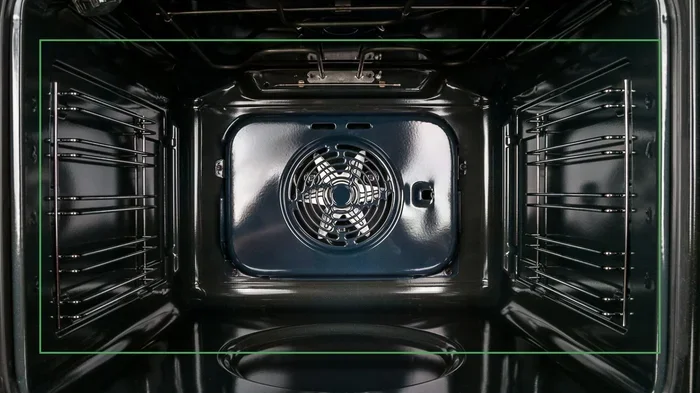
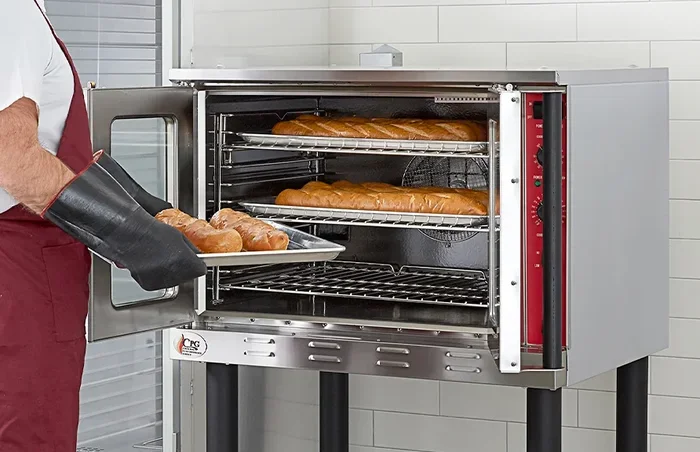
A convection oven for bakery uses fans to circulate hot air around the food. This creates uniform baking on all sides. It is a popular choice for bakeries that produce a wide variety of items. Cookies, pastries, and rolls all bake beautifully in a convection setup.
One major advantage of convection baking ovens is speed. The moving air reduces baking time by up to 25 percent. This efficiency translates to lower energy costs over time. For bakeries that need volume and consistency, a convection oven is a smart investment.
Rotary Oven
The rotary oven for bakery is designed for high-volume production. It features rotating drums that bake bread continuously. This type of industrial bakery oven is perfect for large-scale operations. If you bake hundreds of loaves daily, a rotary oven can dramatically boost output.
These ovens are commonly used for sliced bread and sandwich loaves. They offer excellent temperature control and consistency. However, they come with a higher price tag. They also require more space and maintenance. A rotary oven is best suited for established bakeries with serious production demands.
Steam Injection Oven
For artisan bread makers, a steam injection oven is a game-changer. It injects steam during the first phase of baking. This creates that signature crispy, glossy crust on sourdough and baguettes. Many premium bakeries rely on steam bakery ovens for their signature products.
Steam also helps the dough expand fully before the crust sets. This results in better oven spring and a lighter crumb. These ovens are more specialized and often more expensive. But for bakeries that focus on artisan breads, the results are worth it.
Electric vs. Gas Oven For Bakery
The fuel source is another important decision. An electric bakery oven heats up quickly and provides precise temperature control. It is easier to install since it does not need a gas line. Electric models are also cleaner and require less ventilation.
A gas bakery oven offers lower operating costs over time. Gas prices tend to be more stable than electricity in many regions. Gas ovens also provide a unique moisture environment that some bakers prefer. However, they require proper ventilation and gas line installation.
| Feature | Electric Oven | Gas Oven |
|---|---|---|
| Upfront Cost | Lower | Higher |
| Operating Cost | Higher | Lower |
| Heat Distribution | Very Even | Good |
| Installation | Easy | Requires Gas Line |
| Temperature Control | Precise | Good |
| Maintenance | Low | Moderate |
Key Features to Look for in an Oven For Bakery
Not all Oven For Bakery models offer the same features. Knowing what to look for saves you money and prevents buyer’s remorse. Here are the most important features to prioritize.
Temperature Range and Control
Different baked goods need different temperatures. Bread typically bakes at 350 to 475 degrees Fahrenheit. Pastries often need lower temperatures around 325 to 375 degrees. Your Oven For Bakery should offer a wide temperature range with precise control.
Look for digital temperature displays and programmable settings. These features make it easier to maintain consistent heat. A bakery oven with poor temperature control leads to wasted product and frustration.
Oven Capacity
Capacity is measured in cubic feet or number of trays. A small bakery might do well with a single-deck oven holding 10 to 12 trays. A large operation needs a multi-deck or rotary oven that handles dozens of trays at once.
Think about your peak production needs. If you sell out every morning, you need an Oven For Bakery that can keep up. It is better to invest in a slightly larger model than to outgrow your equipment quickly.
Energy Efficiency
Ovens consume a lot of energy over their lifetime. An energy efficient oven reduces your monthly utility bills significantly. Look for models with good insulation and heat recovery systems.
Some modern Oven For Bakery units come with eco-friendly features. These include programmable start times and standby modes. Over several years, energy savings can offset the higher upfront cost of a premium model.
Durability and Build Quality
A bakery oven takes a beating every day. It faces extreme heat, moisture, and constant use. Your Oven For Bakery should be built from heavy-duty materials. Stainless steel interiors and robust heating elements are essential.
Check the warranty and manufacturer reputation before buying. A trusted brand often means better oven durability and reliable customer support. Do not skimp on build quality, especially if you run a busy bakery.
Ease of Cleaning
Cleanliness matters in any food production environment. A bakery oven with removable parts and smooth surfaces makes daily cleaning faster. Look for models with non-stick interiors and accessible crumb trays.
Some ovens come with self-cleaning features. While these add to the upfront cost, they save significant time in the long run. A clean oven also performs better and lasts longer.
Best Oven For Bakery Options in 2024
The market offers many excellent Oven For Bakery choices. Here are some top picks based on performance, value, and baker feedback. These recommendations cover different budgets and bakery sizes.
RATIONAL SelfCookingCenter
The RATIONAL SelfCookingCenter is a premium commercial bakery oven that combines multiple cooking functions. It uses intelligent cooking programs to automate the baking process. This oven is perfect for bakeries that want consistent results with minimal manual effort.
It is not cheap, but the quality and versatility justify the investment. Many high-end bakeries and restaurants rely on RATIONAL equipment. If budget allows, this is one of the best Oven For Bakery options available.
Unox XEVC Electric Convection Oven
Unox is a well-respected name in professional bakery equipment. The XEVC series offers excellent convection oven for bakery performance. It features precise temperature control and generous capacity.
These ovens are built to handle heavy daily use. They also come with Unox’s cooking management software. This allows you to save and repeat recipes perfectly every time. For bakeries that need reliability and versatility, Unox is a strong choice.
MIWE electric oven
MIWE has been making bakery ovens for over a century. Their electric ovens are known for efficiency and durability. The MIWE line includes options for different bakery sizes and budgets.
Many German and European bakeries trust MIWE equipment. The build quality is exceptional, and the company offers strong after-sales support. If you value long-term reliability, a MIWE Oven For Bakery is worth considering.
Middleby Marshall Pizza Oven (for bread too)
While Middleby Marshall is known for pizza ovens, their deck oven technology works beautifully for artisan breads too. The oven uses a unique air circulation system that bakes quickly and evenly.
This is a great option for bakeries that focus on artisan breads and pastries. The baking speed is impressive, and the quality of crust is outstanding. It is a specialized choice that delivers exceptional results.
How to Maintain Your Oven For Bakery for Longevity
A well-maintained Oven For Bakery lasts many years and performs better over time. Regular maintenance is not optional, it is essential. Here are practical tips to keep your oven in top shape.
Daily Cleaning Routine
Wipe down the interior after every use. Remove any crumbs or food debris that accumulate on the decks or trays. A quick cleaning session at the end of each day prevents buildup that can affect baking quality.
Clean the oven door seals regularly. Damaged seals let heat escape and reduce efficiency. Check the gaskets for cracks or wear and replace them when needed. This simple habit extends the life of your Oven For Bakery significantly.
Weekly and Monthly Maintenance
Once a week, deep clean the oven interior with a mild degreaser. Remove any removable parts like racks and trays and wash them separately. Check the heating elements for any signs of damage or uneven heating.
Monthly, inspect the temperature sensors and calibration. Over time, ovens can drift from their set temperatures. Recalibrating ensures your bakery oven continues to bake at the right heat. This step is often overlooked but is critical for consistent results.
Professional Servicing
Schedule professional maintenance at least once a year. A technician can identify issues before they become costly repairs. They can also perform thorough inspections of gas lines, electrical connections, and ventilation systems.
Many manufacturers offer service contracts for their Oven For Bakery units. These contracts often include regular check-ups and priority repairs. Investing in a service plan protects your equipment and your investment.
Common Mistakes to Avoid When Buying an Oven For Bakery
Even experienced bakery owners sometimes make costly mistakes when purchasing ovens. Being aware of these pitfalls helps you make a smarter decision.
Buying Based on Price Alone
The cheapest Oven For Bakery is rarely the best deal. Low-cost ovens often lack proper insulation and temperature control. They may save money upfront but cost more in energy bills and repairs over time.
Instead, focus on total cost of ownership. Factor in energy consumption, maintenance costs, and expected lifespan. A slightly more expensive oven that lasts longer and runs efficiently is almost always the better choice.
Ignoring Ventilation Requirements
Every bakery oven needs proper ventilation to operate safely and efficiently. Gas ovens produce combustion byproducts that must be vented outside. Even electric ovens generate heat and moisture that need proper airflow.
Before purchasing, assess your kitchen’s ventilation setup. You may need to install or upgrade exhaust hoods. Ignoring this requirement leads to heat buildup, poor air quality, and potential safety hazards.
Underestimating Space Needs
An oven needs adequate space around it for proper airflow and maintenance access. Measure your kitchen carefully before ordering. Remember to account for clearance on all sides and enough room for loading and unloading trays.
Also consider the height clearance. Some Oven For Bakery models are taller than expected. Make sure your kitchen layout can accommodate the unit comfortably.
Skipping the Trial Period
Many suppliers offer demo units or trial periods. Take advantage of this whenever possible. Testing the oven in your actual bakery environment gives you real-world insights that specifications alone cannot provide.
Pay attention to how the oven fits into your workflow. Does it feel intuitive to use? Can your staff operate it efficiently? These practical considerations matter just as much as technical features.
Quick Tips for Choosing the Best Oven For Bakery
- Match the oven to your menu: Bread-focused bakeries benefit from deck ovens. Pastry shops do well with convection models.
- Calculate your daily output: Choose an oven that can handle your peak production without straining.
- Consider future growth: If you plan to expand, invest in an oven that can scale with your business.
- Check warranty terms: A longer warranty reflects manufacturer confidence and protects your investment.
- Read baker reviews: Real-world feedback from other bakers provides insights that marketing materials cannot.
- Factor in installation costs: Some ovens require professional installation, which adds to the total cost.
- Prioritize temperature uniformity: Even heat distribution is the single most important factor for consistent baking results.
Conclusion
Choosing the right Oven For Bakery is one of the most important decisions you will make as a bakery owner. It affects every aspect of your operation, from product quality to daily efficiency. The right oven helps you produce consistent, delicious baked goods that keep customers coming back.
Take the time to understand your specific needs. Consider your production volume, menu variety, and budget. Explore the different types of Oven For Bakery options available. And do not overlook the importance of proper maintenance and ventilation.
Investing in the right Oven For Bakery is investing in the future of your business. With the right equipment and care, you can achieve bakery excellence every single day. Start your search today, and let the perfect oven elevate your baking to the next level.
Frequently Asked Questions
What is the best Oven For Bakery for a small startup?
A single-deck convection oven is often the best choice for a small bakery startup. It offers versatility, even heat distribution, and fits in compact spaces. Models from brands like Unox and RATIONAL provide excellent performance at manageable price points for new businesses.
How much does a professional Oven For Bakery typically cost?
The cost of a professional Oven For Bakery varies widely based on type and capacity. A basic deck oven can start around $3,000, while high-end convection or rotary models can exceed $20,000. Your budget should reflect your production needs and long-term goals for the bakery.
Do I need a gas or electric Oven For Bakery?
Electric ovens offer easier installation and precise temperature control, making them popular for many bakeries. Gas ovens provide lower operating costs and a unique baking environment that some bakers prefer. Your choice should depend on your kitchen setup, local utility costs, and the types of products you bake most.
How often should I service my Oven For Bakery?
Daily cleaning should be part of every closing routine. Professional servicing should happen at least once a year to inspect heating elements, sensors, and ventilation systems. Regular maintenance prevents unexpected breakdowns and keeps your oven performing at its best throughout its lifespan.
Can an Oven For Bakery handle both bread and pastries?
Yes, many modern Oven For Bakery models are versatile enough to handle both bread and pastries. Convection ovens are particularly good at this because they offer even heat for a wide range of products. However, specialized ovens like steam injection models may be better for artisan breads specifically.
What capacity should my Oven For Bakery have?
Capacity depends on your daily production volume and peak demand. A small bakery producing 50 to 100 loaves per day may need a single-deck oven. Larger operations baking 300 or more loaves daily should consider multi-deck or rotary options. Always plan for future growth when choosing your oven capacity.