What Temp to Cook a Turkey in the Oven for Juicy Results
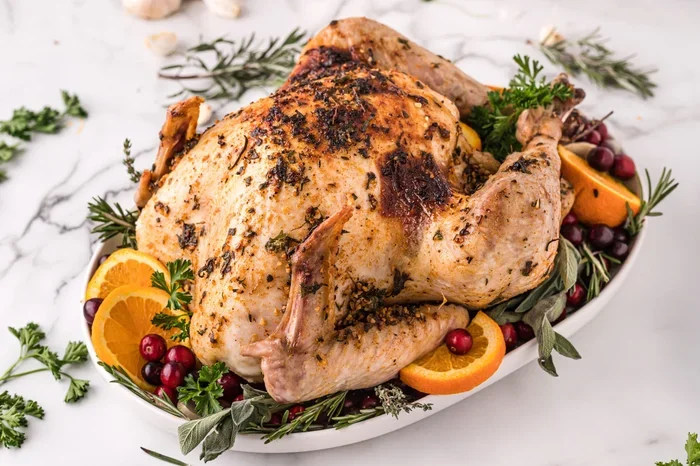
Knowing what temp to cook a turkey in the oven is the key to a juicy, flavorful holiday centerpiece. The ideal oven temperature is 325°F, which ensures even cooking without drying out the meat. Always aim for an internal temperature of 165°F in the thickest part of the breast and thigh. Let the turkey rest for at least 20 minutes before carving to lock in those juices. This guide covers everything from timing to troubleshooting so your turkey turns out perfectly every single time.
There is nothing quite like a perfectly roasted turkey on the table. The aroma fills the whole house, and the first slice reveals juicy, tender meat with golden crispy skin. But achieving that dream result starts with one simple question: what temp to cook a turkey in the oven.
Many home cooks worry about this every holiday season. Will it be dry? Will it be undercooked? The good news is that roasting a turkey is not as complicated as it seems. With the right oven temperature and a little patience, you can serve a bird that wows everyone at the table.
This guide walks you through everything you need to know about turkey cooking temperature, timing, and technique. Whether you are preparing a Thanksgiving turkey or a weekend family dinner, these tips will help you get it right. Let us dive in and make sure your next roast turkey is the best one yet.
Key Takeaways
- Roast at 325°F: This is the recommended oven temperature for a tender, evenly cooked turkey.
- Target 165°F internal temp: Use a food thermometer to check the thickest part of the breast and thigh.
- Rest the turkey before carving: Letting it sit for 20 to 30 minutes keeps the juices inside.
- Brining adds moisture: A simple salt-water soak before roasting dramatically improves flavor and tenderness.
- Avoid overcooking: Carryover cooking can raise the internal temp by 5 to 10 degrees after removing from the oven.
- Stuffed vs. unstuffed matters: Stuffed turkeys need extra cooking time and careful temperature monitoring.
- Use a meat thermometer: Guessing leads to dry turkey. A reliable thermometer is your best tool.
📑 Table of Contents
- The Ideal Turkey Oven Temperature
- How Long Does It Take to Cook a Turkey?
- Turkey Breast vs. Thigh: Understanding Temperature Differences
- Tips for a Juicy and Golden Turkey
- Common Mistakes to Avoid When Roasting Turkey
- Expert Tips for Perfect Turkey Every Time
- Turkey Safety and Food Handling
- Conclusion
The Ideal Turkey Oven Temperature
The most commonly recommended oven temperature for roasting a whole turkey is 325°F. This moderate heat allows the bird to cook evenly from the outside in. It gives the skin enough time to turn golden brown while keeping the meat moist and tender.
Some recipes call for starting at a higher temperature, like 425°F, for the first 15 to 20 minutes. This quick burst of high heat can help crisp up the skin faster. After that initial phase, you lower the temperature to 325°F to finish the cook gently.
Why 325°F Works Best for Oven-Baked Turkey
Roasting at 325°F is the sweet spot for several reasons. First, it reduces the risk of the outer meat drying out before the inside is fully cooked. Second, it gives you a wider window of time to work with, which is helpful if you are new to roasting a whole turkey. Third, it promotes even browning without burning.
If you set the oven too hot, the skin can burn while the inside remains undercooked. If you set it too low, the turkey spends too much time in the oven and loses moisture. 325°F strikes the perfect balance for a juicy turkey roast.
Adjusting Temperature Based on Turkey Size
The size of your bird does not change the oven temperature, but it does change the cooking time significantly. A small turkey around 8 to 10 pounds will cook much faster than a large one that weighs 18 to 20 pounds. Always factor in the weight when planning your cook time.
Here is a quick reference for different turkey sizes roasted at 325°F:
- 8 to 10 pounds: About 2.5 to 3 hours
- 12 to 14 pounds: About 3 to 3.5 hours
- 16 to 18 pounds: About 3.5 to 4 hours
- 20 to 24 pounds: About 4 to 5 hours
These times are approximate and can vary based on whether the turkey is stuffed, the shape of the bird, and your specific oven. Always rely on a food thermometer rather than the clock alone.
How Long Does It Take to Cook a Turkey?
Turkey cooking time depends on weight, oven temperature, and whether the bird is stuffed. A general rule of thumb is about 13 minutes per pound at 325°F for an unstuffed turkey. But this is just a starting point.
Several factors affect how long your turkey spends in the oven. The shape of the bird matters a lot. A turkey with a shorter, wider shape cooks faster than a tall, narrow one. The starting temperature of the meat also plays a role. A turkey that comes straight from the refrigerator will take longer than one that has been sitting at room temperature for 30 minutes.
Turkey Cooking Time Chart at 325°F
Use this table as a general guide for roasting an unstuffed whole turkey at 325°F:
| Turkey Weight | Approximate Cooking Time | Internal Temp Target |
|---|---|---|
| 8 to 10 lbs | 2.5 to 3 hours | 165°F |
| 12 to 14 lbs | 3 to 3.5 hours | 165°F |
| 16 to 18 lbs | 3.5 to 4 hours | 165°F |
| 20 to 24 lbs | 4 to 5 hours | 165°F |
| Stuffed (12 to 14 lbs) | 3.5 to 4 hours | 165°F in stuffing |
Remember that these times are guidelines. The only way to truly know your turkey is done is to check the internal temperature with a meat thermometer. Insert it into the thickest part of the thigh, making sure it does not touch the bone.
Does Stuffing Affect Cooking Time?
Yes, stuffing a turkey adds cooking time. The stuffing needs to reach a safe temperature of 165°F as well, which means the turkey has to stay in the oven longer. Many food safety experts recommend cooking stuffing separately to avoid any risk of undercooked poultry filling.
If you do choose to stuff your turkey, pack the stuffing loosely and check its temperature frequently. The cavity of the bird acts as an insulator, so the stuffing can stay cold in the center even when the outer turkey meat is fully cooked.
Turkey Breast vs. Thigh: Understanding Temperature Differences
One of the biggest challenges of roasting a whole turkey is cooking the breast and thigh evenly. These two parts of the bird have different thickness and fat content, which means they cook at different rates.
The turkey breast cooks faster than the thigh. It is leaner and thinner, so it can dry out quickly if you cook it too long. The thigh, on the other hand, has more connective tissue and fat, which means it needs a bit more time to become tender and juicy.
Target Temperatures for Each Part
The USDA recommends cooking all poultry to an internal temperature of 165°F. This applies to both the breast and the thigh. However, many chefs prefer the breast at 160°F and the thigh at 170 to 175°F. The breast meat stays juicier at 160°F because it has not been heated past the point where the proteins squeeze out all the moisture.
The thigh meat is different. It has more collagen and fat, which breaks down at higher temperatures. This is why many people prefer their turkey thighs a little more done than the breast. The dark meat becomes fall-off-the-bone tender at 175°F.
To manage this difference, some cooks use a technique called turkey tenting. They cover the breast with aluminum foil partway through cooking to slow it down while the thighs catch up. This simple trick can make a big difference in the final result.
Using a Meat Thermometer Correctly
A reliable food thermometer is the single most important tool for roasting turkey. Without one, you are essentially guessing. Invest in a good instant-read thermometer or a leave-in probe thermometer for the best results.
Here is how to check the temperature properly:
- Insert the probe into the thickest part of the breast, avoiding the bone.
- Check the thigh by inserting into the meatiest part, away from the bone.
- If your turkey is stuffed, check the temperature of the stuffing in the center of the cavity.
- Take readings from multiple spots to ensure even cooking.
Do not rely on pop-up timers alone. They are convenient but not always accurate. A good thermometer takes the guesswork out of roasting turkey completely.
Tips for a Juicy and Golden Turkey
Getting the right oven temperature is only half the battle. There are several other steps you can take to ensure your turkey comes out moist, flavorful, and beautifully browned every time.
Brine Your Turkey for Extra Moisture
Turkey brining is one of the best things you can do for flavor and juiciness. A simple brine of water, salt, and sugar helps the meat retain moisture during cooking. The salt breaks down some of the muscle proteins, allowing the turkey to absorb and hold onto more liquid.
To brine a turkey, dissolve 1 cup of kosher salt and 1/2 cup of brown sugar in 2 gallons of cold water. Submerge the turkey in the brine for 12 to 24 hours in the refrigerator. Rinse it thoroughly and pat it dry before roasting.
If you do not have time to brine, a dry brine works too. Simply rub the turkey with salt and let it sit uncovered in the refrigerator overnight. This draws out moisture initially, but it gets reabsorbed, seasoning the meat deeply and improving texture.
Bring the Turkey to Room Temperature First
Take the turkey out of the refrigerator about 30 to 60 minutes before it goes into the oven. This lets the meat cook more evenly because it is not ice-cold in the center. A turkey that starts at room temperature will have a shorter overall cooking time and a more consistent finish.
While the turkey rests at room temperature, make sure to keep it covered with clean foil to prevent any contamination. This small step can significantly improve your roasting results.
Get the Skin Crispy Without Drying Out the Meat
Crispy turkey skin is something everyone loves. To achieve it, start by making sure the skin is completely dry before the turkey goes in the oven. Pat the entire bird thoroughly with paper towels.
Some cooks rub the skin with a thin layer of butter or oil. This helps conduct heat and promotes browning. Others sprinkle a little baking powder on the skin, which raises the pH level and encourages crispiness without adding excess fat.
Avoid opening the oven door too frequently. Every time you open it, the temperature drops and the cooking process slows down. Use the oven light to check on your bird instead.
Let the Turkey Rest Before Carving
Turkey resting time is just as important as the cooking itself. When you remove the turkey from the oven, the juices inside are under pressure. If you cut into it immediately, those juices run out onto the cutting board instead of staying in the meat.
Tent the turkey loosely with aluminum foil and let it rest for 20 to 30 minutes. During this time, carryover cooking raises the internal temperature by 5 to 10 degrees. The meat also relaxes and becomes easier to carve, and the juices redistribute throughout the bird.
Common Mistakes to Avoid When Roasting Turkey
Even experienced cooks make mistakes when roasting turkey. Knowing what to avoid can save your bird from turning out dry or undercooked.
Overcooking the Turkey
The most common mistake is cooking the turkey too long. This is the number one cause of dry turkey meat. Since carryover cooking continues to raise the internal temperature after you remove the bird from the oven, you should pull it out when the breast reaches 160°F and the thigh reaches 165°F to 170°F.
The temperature will continue to rise during resting. By the time you carve the turkey, the breast will be at a perfect 165°F and the thigh will be beautifully tender.
Not Using a Meat Thermometer
Relying on cooking time alone is a recipe for disaster. Every oven is different, and every turkey is a different shape and size. The only reliable way to know your turkey is safe to eat and perfectly cooked is to use a food thermometer.
Do not skip this step. It takes just a few seconds and it completely transforms the outcome of your roast turkey.
Skipping the Resting Period
Cutting into a turkey right out of the oven is tempting but it is a mistake. The meat will be loose and dry because the juices have not had time to settle back into the muscle fibers. Give your turkey the resting time it deserves.
Overcrowding the Pan
Make sure the turkey has plenty of room in the roasting pan. If it is too crowded, hot air cannot circulate properly, and the turkey will cook unevenly. Use a pan that is large enough to fit the bird with a few inches of space on all sides.
Expert Tips for Perfect Turkey Every Time
Professional chefs and experienced home cooks share a few secrets that take turkey roasting to the next level.
Dry-Brine for Better Skin
Patting the turkey dry and leaving it uncovered in the refrigerator overnight is a game-changer. The dry air in the fridge pulls moisture away from the skin, which leads to significantly crispier skin when it hits the hot oven.
This technique is especially effective for achieving golden brown turkey skin that looks and tastes incredible. It is one of the simplest turkey roast tips that makes the biggest difference.
Use a Roasting Rack
Elevating the turkey on a roasting rack allows hot air to flow underneath the bird. This promotes even cooking on all sides and prevents the bottom from sitting in grease and becoming soggy.
If you do not have a roasting rack, you can use chopped onions, carrots, and celery in the bottom of the pan. They serve the same purpose by lifting the bird slightly off the pan surface.
Baste for Flavor and Moisture
Basting the turkey every 45 minutes or so adds flavor and helps the skin cook evenly. Use a bulb baster or a large spoon to scoop up the pan juices and pour them over the bird. This is especially helpful for larger turkeys that spend a long time in the oven.
Some cooks skip basting to avoid opening the oven door. If you are concerned about temperature loss, basting is still worth doing. The benefit of added moisture and flavor outweighs the minor temperature fluctuation.
Understand Carryover Cooking
Turkey carryover cooking is a real phenomenon that many home cooks overlook. After you take the bird out of the oven, the residual heat continues to cook the meat from the outside in. The internal temperature can rise by 5 to 10 degrees during resting.
This is why pulling the turkey out early is so important. If you wait until the thermometer reads 165°F in the breast, the carryover heat will push it past that point, potentially drying out the meat. Pull it at 160°F and let the resting period do the rest of the work.
Turkey Safety and Food Handling
Poultry cooking safety should always come first when preparing a turkey. Handling raw poultry improperly can lead to foodborne illness, which is the last thing you want at a holiday gathering.
Always wash your hands thoroughly after handling raw turkey. Do not wash the turkey itself, as this can splash bacteria onto your sink and countertops. Cook the turkey to the recommended internal temperature of 165°F to ensure it is safe to eat.
Leftover turkey should be refrigerated within two hours of cooking. Store it in shallow containers to help it cool quickly. Properly stored cooked turkey keeps in the refrigerator for 3 to 4 days and in the freezer for up to 4 months.
Conclusion
Getting what temp to cook a turkey in the oven right is simpler than most people think. Roast at 325°F, aim for an internal temperature of 165°F, and let the bird rest before carving. These three steps alone will transform your turkey from ordinary to outstanding.
Use a food thermometer, brine or dry-brine the bird, and avoid the common mistakes that lead to dry meat. Whether you are a first-time turkey roaster or a seasoned pro, these tips will help you serve a juicy, golden turkey that everyone will love.
The next time you step into the kitchen to prepare a whole turkey, you will feel confident and prepared. You know the right temperature, you understand the timing, and you have the tools to get it right. Now go make that perfect roast turkey and enjoy every single bite.
Frequently Asked Questions
What is the best temperature to cook a turkey in the oven?
The best oven temperature for roasting a turkey is 325°F. This moderate heat cooks the bird evenly without drying out the meat. It gives you a reliable window of time to work with and produces a golden brown turkey with juicy results every time.
How long does it take to cook a 12-pound turkey at 325°F?
A 12-pound unstuffed turkey typically takes about 3 to 3.5 hours at 325°F. However, cooking times vary based on the shape of the bird, whether it is stuffed, and your specific oven. Always use a meat thermometer to confirm the internal temperature reaches 165°F in the thickest part of the breast and thigh.
Should I cover my turkey with foil while roasting?
Covering the turkey with foil is a personal preference. Some cooks tent the breast with foil partway through cooking to prevent it from drying out while the thighs finish cooking. Others roast the turkey uncovered the entire time for crispier skin. Both methods work well, so choose the one that fits your goals.
What internal temperature should turkey reach before serving?
The USDA recommends an internal temperature of 165°F for all poultry, including turkey breast and thigh. Many chefs prefer to pull the turkey at 160°F for the breast because carryover cooking will bring it up to a safe 165°F during resting, keeping the meat juicier.
Do I need to brine my turkey before roasting?
Brining is not required but it is highly recommended for juicier results. A wet brine of salt, sugar, and water, or a simple dry brine with salt alone, helps the turkey retain moisture during cooking. Even a short 4 to 6 hour brine makes a noticeable difference in flavor and tenderness.
Can I cook a turkey at a higher temperature for less time?
Yes, some cooks start at 425°F for the first 20 to 30 minutes to crisp the skin, then reduce to 325°F for the remainder of the cook. However, roasting entirely at a high temperature increases the risk of dry breast meat. Sticking to 325°F for the full cook is the safest approach for juicy results.