What Temperature Should Ribs Be Cooked In The Oven Right
Discover the perfect ribs oven temperature for tender, juicy results. Whether you prefer low and slow cooking or a faster method, this guide covers everything you need to know. Learn the right temp, timing, and tips for fall-off-the-bone ribs in your oven.
When you ask what temperature should ribs be cooked in the oven, the answer is not as simple as one single number. The right oven temperature depends on the type of ribs you are cooking, how much time you have, and the texture you want. Low and slow cooking at around 275°F is the most popular method for tender, juicy pork ribs. But if you are short on time, you can cook them at higher temps too. This guide will show you exactly how to get perfect ribs every single time. You will learn the best oven-baked ribs techniques, timing, and tips that pros use.
Cooking barbecue ribs in the oven is easier than most people think. You do not need a smoker or any special equipment. With the right rib cooking time and oven temperature, your kitchen can produce results that rival any backyard pit. Fall-off-the-bone ribs are totally achievable at home. Let us dive into everything you need to know about getting it right.
Key Takeaways
- 275°F is the sweet spot: This temperature balances flavor, tenderness, and cooking time for most rib types.
- Low and slow wins: Cooking ribs at 225°F to 275°F breaks down connective tissue for the best texture.
- Use a meat thermometer: The internal temperature should reach 195°F to 205°F for tender, pull-apart ribs.
- Wrap in foil partway through: This technique keeps moisture locked in and speeds up cooking.
- Baby back ribs cook faster: They need about 2.5 to 3 hours, while spare ribs take 3.5 to 4 hours at 275°F.
- Rest your ribs: Let them sit for 10 to 15 minutes after cooking for juicier results.
- Season generously: A good rib rub or seasoning makes a huge difference in flavor.
📑 Table of Contents
Why Oven-Baked Ribs Are Worth the Effort
Oven-baked ribs give you consistent results every time. Unlike grilling, where flames can flare up and burn the meat, the oven provides even heat distribution. This means your rib bones and meat cook at the same pace. You get tender meat with a beautiful glaze on top. There is no need to stand over a hot grill flipping ribs every few minutes.
Many people think smoky ribs can only come from a smoker. But you can achieve a similar flavor profile in the oven with the right rib seasoning and rib rub. The oven also lets you cook ribs year-round, no matter the weather outside. Whether it is raining or snowing, you can still make restaurant-quality ribs at home. The oven gives you full control over the cooking environment.
The Beauty of Low and Slow
Slow cook ribs in the oven break down the collagen in the meat. This is what makes ribs so tender and juicy. High heat dries out the meat before the fat has time to render. Low heat gives the fat time to melt and soak into the rib meat. The result is a rich, full flavor that you just cannot get from rushing the process. Patience is the secret ingredient in great ribs.
What Temperature Should Ribs Be Cooked in the Oven
The answer to what temperature should ribs be cooked in the oven depends on your schedule and preferences. Here is a quick look at the main temperature ranges and what they do for your ribs.
| Temperature | Cooking Style | Best For | Cook Time (Baby Back) |
|---|---|---|---|
| 225°F | Very Low and Slow | Maximum tenderness, smoky flavor | 3.5 to 4 hours |
| 275°F | Low and Slow | Balanced flavor and time | 2.5 to 3 hours |
| 325°F | Medium Heat | Faster cooking, slightly firmer | 2 to 2.5 hours |
| 350°F | Higher Heat | Quick weeknight ribs | 1.5 to 2 hours |
275°F is the most recommended oven temperature for ribs. It is the sweet spot that gives you tender meat without drying it out. At this temp, the fat renders slowly and the rib rub has time to develop deep flavor. Most pitmasters agree that 275°F is the best balance of taste and efficiency.
Low and Slow: 225°F to 275°F
Cooking at 225°F to 275°F is the classic method for barbecue ribs. This range mimics the conditions of a traditional smoker. The low heat slowly breaks down the connective tissue in the rib bones and surrounding cartilage. You get meat that pulls away from the bone with just a touch of pressure.
This method takes longer, usually 2.5 to 4 hours depending on the rib type. But the flavor and texture are worth the wait. Spare ribs and baby back ribs both work well at this temperature. The key is patience and not opening the oven door too often. Every time you open the door, you lose heat and moisture.
Quick Tip: Place a pan of water on the rack below your ribs. This adds moisture to the oven and prevents the meat from drying out. It is a simple trick that makes a big difference in the final result.
Medium Heat: 300°F to 325°F
If you want faster rib cooking time, try 300°F to 325°F. The meat cooks more quickly at this range. The outside gets a nice caramelized crust while the inside stays moist. This is a great option for weeknight dinners when you do not have all day to wait. The flavor is still excellent, even if it is not quite as deep as low and slow cooking.
At 325°F, baby back ribs take about 2 to 2.5 hours. Spare ribs may need 3 to 3.5 hours. The oven-baked ribs will have a firmer bite compared to low temp cooking. Some people actually prefer this texture. It is all about personal preference and what you are in the mood for.
High Heat: 350°F and Above
Cooking ribs at 350°F or higher is the fastest method. Some people use 375°F for an even quicker cook. The high heat creates a crispy exterior and speeds up the process. However, there is a real risk of the meat drying out before the collagen has time to break down.
If you choose this route, keep a close eye on the internal temperature. Use a meat thermometer to check doneness. High heat is best for thin cuts or when you are in a real rush. Just know that you sacrifice some of the melt-in-your-mouth tenderness that low and slow cooking provides. It is a trade-off between speed and texture.
How Long to Cook Ribs in the Oven
The rib cooking time depends on the temperature you choose and the type of ribs you are making. Here is a closer look at how long each type takes at different temperatures.
Baby Back Ribs Cooking Time
Baby back ribs are smaller and leaner than spare ribs. They cook faster because of their size. At 275°F, plan for about 2.5 to 3 hours. At 325°F, they are done in about 2 to 2.5 hours. At 350°F, you can get them done in 1.5 to 2 hours. These ribs are great for beginners because they are more forgiving. Even if you cook them a little longer than planned, they still turn out well. The meat is naturally tender and does not need as much time to break down.
Spare Ribs Cooking Time
Spare ribs are larger and have more fat and connective tissue. They need more time to become tender. At 275°F, expect about 3.5 to 4 hours. At 325°F, plan for 3 to 3.5 hours. At 350°F, they take about 2.5 to 3 hours. The extra fat in spare ribs makes them very flavorful. But it also means you need to be careful not to overcook them at high temps. The fat needs time to render out slowly. Rushing the process can leave you with chewy, tough meat.
St. Louis Style Ribs
St. Louis style ribs are spare ribs that have been trimmed into a neat, rectangular shape. They cook similarly to regular spare ribs. At 275°F, plan for 3 to 3.5 hours. The trimmed shape means they cook a bit more evenly, which is a nice bonus. These ribs are popular because they look clean on the plate and cook uniformly. They are a great choice for a dinner party or family gathering.
Step-by-Step Guide to Perfect Oven Ribs
Now that you know the right oven temperature and timing, here is a step-by-step guide to making perfect ribs in your oven. Follow these steps and you will not go wrong.
- Choose your ribs: Pick fresh pork ribs from the butcher or grocery store. Look for meat that is pink and firm with a good layer of fat. Avoid ribs that look gray or dry.
- Remove the membrane: Flip the ribs over and peel off the thin membrane on the back of the rib bones. This helps the seasoning penetrate and makes the ribs more tender. Use a butter knife to loosen one corner, then pull it off with a paper towel for grip.
- Apply the rub: Generously coat all sides with a rib rub or rib seasoning. Let the ribs sit at room temperature for 30 minutes to an hour before cooking. This helps the flavors absorb into the meat.
- Preheat the oven: Set your oven to the desired temperature. 275°F is the recommended oven temperature for best results. Let the oven fully preheat before putting the ribs in.
- Place on the rib rack: Use a rib rack to hold the ribs upright. This allows air to circulate around the meat for even cooking. Place the rack on a baking sheet to catch any drips.
- Cook unwrapped for the first half: Let the ribs cook without wrapping for the first half of the cooking time. This helps form a nice bark on the outside. The bark is that flavorful, slightly crispy crust that everyone loves.
- Wrap in foil: After the first half, wrap the ribs tightly in foil or a rib wrapper. This traps moisture and speeds up the cooking process. Add a small amount of liquid like apple cider vinegar or broth for extra moisture.
- Check the internal temperature: Use a meat thermometer to check that the internal temperature has reached 195°F to 205°F. This is the sweet spot for tender, pull-apart ribs.
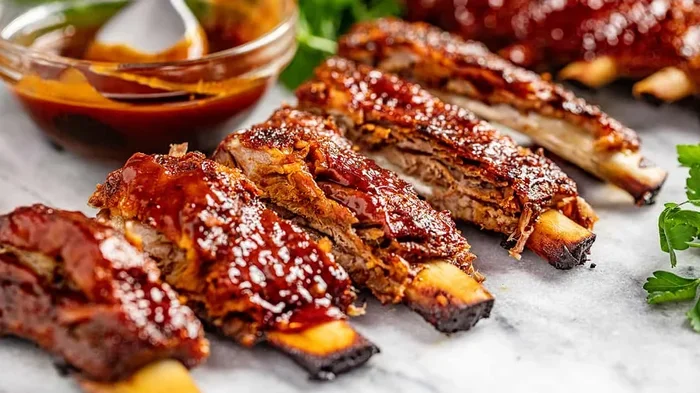
- Unwrap and glaze: Remove the foil and brush on a rib glaze or barbecue sauce. Return to the oven for 15 to 20 minutes to set the glaze. The glaze should become sticky and caramelized.
- Rest and serve: Let the ribs rest for 10 to 15 minutes before cutting. This lets the juices redistribute through the meat. Cutting too early will cause the juices to run out and the meat to dry out.
Following these steps gives you oven-baked ribs that are tender, juicy, and full of flavor. The rib rack is a simple tool that makes a big difference. It keeps the ribs elevated and allows heat to flow around them evenly. You can find affordable rib racks at most kitchen supply stores. They are a small investment that pays off in much better results.
Common Mistakes to Avoid When Cooking Ribs
Even with the right oven temperature, mistakes can ruin your rib cooking experience. Here are the most common errors and how to avoid them.
Skipping the Membrane Removal
The membrane on the back of the rib bones is tough and chewy. Many people forget to remove it. This is one of the easiest mistakes to fix. Just use a butter knife to loosen one corner, then pull it off with a paper towel for grip. Your ribs will be much more tender without it. The membrane also blocks seasoning from reaching the meat, so removing it improves both texture and flavor.
Cooking at Too High a Temperature
Cranking the oven to 350°F or higher might seem like a time-saver. But high heat dries out the meat before the collagen has time to break down. The result is tough, chewy ribs instead of tender, juicy ones. Stick to 225°F to 275°F for the best texture. If you must cook faster, stay in the 300°F to 325°F range. This gives you a good balance of speed and quality.
Not Using a Meat Thermometer
Guessing when ribs are done is a recipe for disappointment. The internal temperature is the only reliable way to know if your ribs are ready. Invest in a good meat thermometer and check the thickest part of the meat. You are aiming for 195°F to 205°F for tender, pull-apart ribs. Without a thermometer, you are just guessing, and guessing leads to overcooked or undercooked ribs.
Opening the Oven Door Too Often
Every time you open the oven door, you lose heat and moisture. This slows down cooking and can dry out the ribs. Resist the urge to peek. Trust the process and check the temperature only when it is close to being done. If you need to rotate the pan for even cooking, do it quickly and close the door right away.
Skipping the Rest Period
Cutting into ribs right after they come out of the oven releases all the juices. The meat dries out quickly. Let them rest for at least 10 to 15 minutes. This simple step makes a noticeable difference in juiciness and flavor. Tent the ribs loosely with foil during resting to keep them warm without steaming the bark.
Expert Tips for Fall-Off-the-Bone Ribs
Want to take your oven-baked ribs to the next level? Here are some expert tips from experienced pitmasters and home cooks who have been making ribs for years.
Use a Rib Rack for Even Cooking
A rib rack holds the ribs upright and off the pan. This allows hot air to flow around all sides of the meat. The result is more even cooking and a better bark on all surfaces. You can find affordable rib racks at most kitchen supply stores. They are a small investment that pays off in better, more consistent results every time you cook.
Dry Brine Overnight for Deeper Flavor
For the deepest flavor, try dry brining your ribs the night before. Simply rub them with salt and rib seasoning and let them sit uncovered in the fridge overnight. The salt draws out moisture, which then gets reabsorbed into the meat. This makes the ribs more flavorful and juicier when they cook. It is a technique used by professional chefs and it works incredibly well for ribs.
The 3-2-1 Method for Spare Ribs
The 3-2-1 method is a popular technique for spare ribs. You cook them for 3 hours unwrapped, then 2 hours wrapped in foil, then 1 hour unwrapped with glaze. You can adapt this for the oven. At 275°F, the 3-2-1 method gives you about 6 hours of total cooking time. The result is incredibly tender ribs with a beautiful, sticky glaze. This method works especially well for thicker spare ribs that need extra time to break down.
Add Wood Chips for Smoke Flavor
You can add a smoky flavor to oven-baked ribs by placing soaked wood chips in a foil pouch on the oven floor. Hickory, apple, and cherry wood chips all work well and add different flavor notes. This simple trick gives you smoky ribs without needing a smoker. The chips will smoke during the first 30 to 45 minutes of cooking. It is an easy way to elevate your rib cooking game at home.
Let the Ribs Speak
Sometimes the best thing you can do is keep it simple. A good rib rub, the right oven temperature, and patience are all you need. Overcomplicating things with too many sauces or steps can actually hurt the flavor. Trust the process and let the quality of the meat shine through. Great ribs do not need to be complicated. They need good technique and time.
Ribs Doneness Checklist
How do you know when your ribs are done? Here is a simple checklist to guide you. Use these signs to confirm your rib cooking time and temperature were right.
- Internal temperature: 195°F to 205°F on a meat thermometer
- Bend test: Pick up the ribs from one end with tongs. They should bend and crack slightly on the surface
- Bone pullback: The meat should have pulled back from the rib bones by about a quarter inch
- Tenderness: The meat should feel soft and give slightly when pressed with a fork
- Bark formation: The outside should have a dark, slightly sticky crust from the rib rub
If your ribs pass all of these checks, they are ready to come out of the oven. If not, give them another 30 minutes and check again. Patience is the secret ingredient in great rib cooking. Do not rush the process and you will be rewarded with amazing results.
Conclusion
Now you know what temperature should ribs be cooked in the oven and how to get amazing results every time. The key is choosing the right oven temperature, giving the ribs enough rib cooking time, and following a few simple steps. 275°F is the sweet spot for most home cooks, but you can adjust based on your schedule and preferences. Whether you like it low and slow or a bit faster, the principles remain the same.
Whether you are cooking baby back ribs or spare ribs, the fundamentals do not change. Low and slow cooking breaks down the connective tissue and creates that perfect fall-off-the-bone texture. Use a meat thermometer, wrap in foil partway through, and always let your ribs rest before serving. These simple steps separate good ribs from great ribs.
Oven-baked ribs are a delicious and convenient way to enjoy this classic barbecue favorite. With the right rib seasoning, rib rub, and oven temperature, you can make ribs that rival any restaurant. So fire up your oven, grab your rib rack, and get ready to make the best ribs of your life. Happy cooking!
Frequently Asked Questions
Can I cook ribs at 350 degrees in the oven?
Yes, you can cook ribs at 350 degrees, but the results will be different. Higher heat cooks the ribs faster, usually in about 1.5 to 2 hours. However, the meat may not be as tender as low and slow cooking. If you use this method, watch the internal temperature closely to avoid drying out the meat.
How do I know when ribs are done in the oven?
Use a meat thermometer to check the internal temperature. Ribs are done when they reach 195°F to 205°F. You can also do the bend test by picking up the ribs from one end with tongs. If they bend and crack slightly on the surface, they are ready. The meat should also pull back from the bones by about a quarter inch.
Should I wrap ribs in foil when cooking them in the oven?
Wrapping ribs in foil, also called the Texas crutch, helps lock in moisture and speeds up cooking. It is best to wrap them after the first half of the cooking time. This allows the outside to develop a bark first, then the foil traps steam to tenderize the meat. Use a rib wrapper or heavy-duty foil for the best results.
What is the difference between baby back ribs and spare ribs for oven cooking?
Baby back ribs are smaller, leaner, and cook faster than spare ribs. They take about 2.5 to 3 hours at 275°F. Spare ribs are larger with more fat and need 3.5 to 4 hours at the same temperature. Both types produce delicious results, but spare ribs have a richer, more intense flavor due to their higher fat content.
Do I need a rib rack to cook ribs in the oven?
A rib rack is not strictly necessary, but it makes a big difference. It holds the ribs upright and allows air to circulate around the meat for even cooking. Without a rack, you can place the ribs directly on a baking sheet lined with foil. However, a rack helps prevent the meat from sitting in its own juices and getting soggy on the bottom.
Can I use barbecue sauce on ribs in the oven?
Yes, you can use barbecue sauce on oven ribs. Apply it during the last 15 to 20 minutes of cooking, after unwrapping the ribs from the foil. This gives the sauce time to caramelize without burning. You can also make a homemade rib glaze with a mix of sauce, honey, and apple cider vinegar for extra flavor and shine.
=== CONCLUSION ===
Getting the oven temperature right is the most important factor in making great ribs. Now that you understand the best temperatures, times, and techniques, you are ready to cook perfect ribs at home. Remember that 275°F is the go-to oven temperature for most cooks, but you can adjust based on your schedule and preferences.
Take your time, use a meat thermometer, and enjoy the process. Great rib cooking is about patience and attention to detail. With the tips and guidance in this article, you will make fall-off-the-bone ribs that your whole family will love. Get in the kitchen and start cooking today!