Can You Put Emeril Cookware In The Oven Without Damage
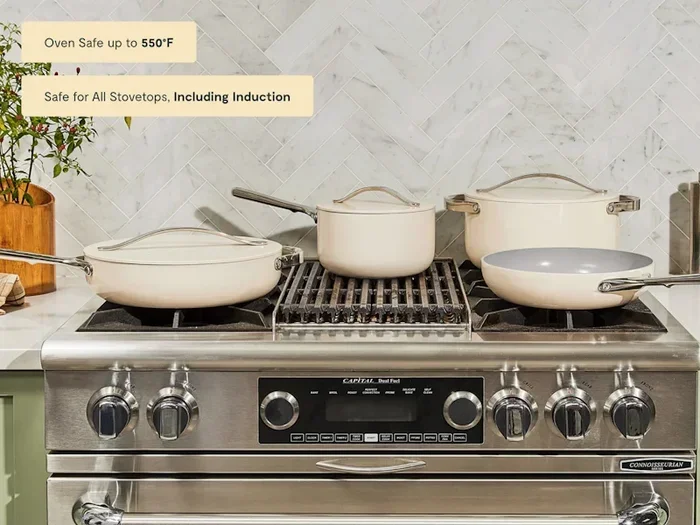
Yes, most Emeril cookware is oven safe, but the temperature limit depends on the material and handle type. Understanding your specific piece ensures you get the best performance without risking damage. This guide covers every Emeril cookware line, oven-safe temperatures, and practical tips to keep your pots and pans in top shape for years.
Have you ever finished cooking a delicious stovetop meal and thought, “I should just pop this in the oven to finish”? That’s a natural move for any home cook. But before you slide your favorite pan into the oven, you need to know one important thing: is it oven safe?
Emeril cookware has earned a solid reputation among home cooks and professional chefs alike. The brand, inspired by legendary chef Emeril Lagasse, offers a wide range of pots, pans, and cookware sets. But here’s the question many people ask: can you put Emeril cookware in the oven without causing damage?
The short answer is yes. Most Emeril cookware is designed to handle oven heat. But the long answer involves understanding which pieces can go in the oven, what temperatures they can tolerate, and how to care for them properly. In this guide, we’ll walk you through everything you need to know about using Emeril cookware in the oven safely. You’ll learn about different materials, temperature limits, common mistakes, and expert tips that will help you get the most out of your investment.
Let’s dive in and make sure you never have to worry about damaging your favorite Emeril pan again.
Key Takeaways
- Most Emeril cookware is oven safe up to 400–500°F, depending on the line and material.
- Non-stick Emeril pans have lower oven limits, usually around 400°F, due to coating durability.
- Cast iron and stainless steel Emeril pieces handle higher temperatures and are broiler compatible.
- Always remove plastic or silicone handles before placing cookware in the oven to prevent melting or damage.
- Gradual temperature changes prevent warping and extend the life of your cookware.
- Proper cleaning after oven use maintains the non-stick surface and prevents buildup.
- Check the manufacturer’s guidelines for your specific Emeril product to confirm oven safety.
📑 Table of Contents
- Understanding Emeril Cookware Materials
- Oven Temperature Limits for Emeril Cookware
- Types of Emeril Cookware and Oven Compatibility
- How to Safely Use Emeril Cookware in the Oven
- Caring for Your Emeril Cookware After Oven Use
- Expert Tips for Getting the Most from Your Emeril Cookware
- Key Takeaways
- Conclusion
Understanding Emeril Cookware Materials
Not all cookware is created equal. The material your pan is made from determines how it performs on the stovetop, in the oven, and even on the dishwasher. Before we talk about oven temperatures, let’s understand what Emeril cookware is actually made of.
What Makes Up Emeril Cookware?
Emeril cookware comes in several material types. Each one has its own strengths and limitations. Here are the most common materials you’ll find in the Emeril line:
- Hard anodized aluminum: This is the most common material in Emeril cookware sets. It heats up quickly and distributes heat evenly across the cooking surface.
- Non-stick coatings: Many Emeril pans feature a durable non-stick surface. This makes cooking and cleaning easier, but it also affects oven safety.
- Cast iron: Some Emeril pieces use cast iron construction. This material is incredibly durable and retains heat beautifully.
- Stainless steel: Certain Emeril cookware lines combine stainless steel with aluminum or copper cores for enhanced heat conductivity.
- Ceramic coatings: A few Emeril products use ceramic-based non-stick surfaces. These are often marketed as PFOA-free alternatives.
Why Material Matters for Oven Use
The material of your cookware directly impacts its oven heat resistance. For example, hard anodized aluminum can generally handle higher temperatures than non-stick coatings. Cast iron is practically indestructible in the oven. Stainless steel is also very heat tolerant.
But the non-stick coating is usually the limiting factor. Most non-stick surfaces begin to degrade at temperatures above 400°F to 500°F. This is why knowing your specific Emeril product matters so much. You wouldn’t want to ruin a perfectly good pan by exposing it to heat it wasn’t designed to handle.
Oven Temperature Limits for Emeril Cookware
Temperature is the number one factor when deciding whether your Emeril cookware is oven safe. Every piece has a limit, and going over it can cause serious damage. Let’s break down the typical temperature ranges you can expect.
Maximum Safe Temperatures by Cookware Type
Here’s a general guide to the oven-safe temperature limits for different Emeril cookware types:
- Non-stick Emeril pans: Most are safe up to 400°F. Some newer lines may handle up to 450°F, but always check the product label.
- Hard anodized Emeril cookware: These pieces typically tolerate temperatures up to 500°F. They’re great for oven finishing and roasting.
- Cast iron Emeril pieces: Cast iron can handle oven temperatures well above 500°F. It’s one of the most oven-friendly materials available.
- Stainless steel Emeril cookware: Most stainless steel pieces are oven safe up to 500°F or higher.
- Emeril cookware with silicone handles: Silicone handles are usually safe up to 400°F to 450°F. Beyond that, the handle material may degrade.
What Happens If You Exceed the Temperature Limit?
Exceeding the oven-safe temperature of your Emeril cookware can lead to several problems:
- Non-stick coating damage: The coating can peel, bubble, or release harmful fumes at high temperatures.
- Warping: Thin pans can warp when exposed to sudden or excessive heat. A warped pan sits unevenly on the stovetop and cooks food inconsistently.
- Handle damage: Plastic or silicone handles can melt or become loose at high temperatures.
- Discoloration: Even if the pan doesn’t break, it may become discolored or develop an unpleasant odor.
The bottom line is simple. Always check the manufacturer’s recommended oven temperature before putting your Emeril cookware in the oven. It takes five seconds and saves you from a costly mistake.
Types of Emeril Cookware and Oven Compatibility
Emeril offers several cookware collections, and each one has different oven compatibility. Let’s look at the most popular types and how they perform in the oven.
Non-Stick Emeril Pans
Non-stick Emeril pans are incredibly popular for everyday cooking. They’re great for eggs, pancakes, and delicate foods that tend to stick. But when it comes to oven use, non-stick pans have the lowest temperature tolerance.
Most Emeril non-stick pans are oven safe up to 400°F. This makes them suitable for recipes that require oven finishing, like stovetop-to-oven dishes. However, you should never place a non-stick Emeril pan under the broiler. The direct, intense heat from the broiler can damage the non-stick coating quickly.
Quick tip: If you’re making a dish that needs high oven heat, consider using a different Emeril pan instead of your non-stick one. Your non-stick pan will last much longer if you reserve it for lower-temperature cooking.
Cast Iron and Stainless Steel Emeril Pieces
If you need high heat, cast iron and stainless steel Emeril pieces are your best friends. These materials can handle oven temperatures that would destroy non-stick pans.
Cast iron Emeril cookware is almost unlimited in its oven tolerance. You can safely use cast iron pieces at temperatures up to 500°F or higher. They’re perfect for oven-baked cornbread, skillet cookies, and roasted meats.
Stainless steel Emeril cookware is also very oven friendly. Most pieces can handle temperatures up to 500°F. They work well for oven roasting, baking, and dishes that need to go from stovetop to oven.
Quick tip: When using cast iron in the oven, always use oven mitts. The handles get extremely hot and stay hot long after you remove the pan from the oven.
How to Safely Use Emeril Cookware in the Oven
Now that you know the temperature limits and material differences, let’s talk about the practical steps for safely using your Emeril cookware in the oven. Following these steps will protect your cookware and keep you safe in the kitchen.
Step-by-Step Oven Use Guide
Here’s a simple process to follow every time you want to put your Emeril cookware in the oven:
- Check the product label or manual. Look for the oven-safe symbol or temperature rating. This is your first and most important step.
- Inspect the cookware. Make sure there are no cracks, chips, or warping. Damaged cookware should never go in the oven.
- Remove any removable handles or knobs. If your Emeril pan has a detachable handle, take it off before placing the pan in the oven. This prevents plastic or silicone parts from melting.
- Preheat the oven. Let the oven reach the desired temperature before you put the pan inside. This ensures even heating and reduces thermal shock.
- Place the cookware on the correct oven rack. Center the pan on the middle rack for best heat distribution. Avoid placing it too close to the top or bottom heating elements.
- Use oven mitts when removing the pan. Even if the handle is metal, it will be hot. Always protect your hands.
- Let the pan cool before washing. Never plunge a hot pan into cold water. This can cause warping, especially with non-stick and aluminum pans.
Common Mistakes to Avoid
Even experienced cooks make mistakes with oven-safe cookware. Here are the most common errors people make with Emeril cookware oven use:
- Assuming all Emeril pans are oven safe. Not every piece in the Emeril lineup is oven safe. Always verify before using.
- Using non-stick pans under the broiler. The broiler produces intense direct heat that can destroy non-stick coatings quickly.
- Ignoring handle materials. A pan might be oven safe, but its handle might not be. Always check the handle rating separately.
- Thermal shocking the pan. Moving a hot pan to a cold surface or immersing it in cold water causes warping and can crack the non-stick coating.
- Overheating an empty pan. Never preheat an empty non-stick pan in the oven. This can release harmful fumes and damage the coating.
Avoiding these mistakes will significantly extend the life of your Emeril cookware and keep it performing at its best.
Caring for Your Emeril Cookware After Oven Use
Getting your Emeril cookware out of the oven is only half the battle. Proper care after oven use is just as important for maintaining the quality and longevity of your pans.
Cleaning Tips for Oven-Used Cookware
After your Emeril cookware has been in the oven, follow these cleaning steps:
- Let it cool completely. Wait until the pan is at room temperature before washing it. This prevents thermal shock and protects the cooking surface.
- Wash with warm, soapy water. Use a mild dish soap and warm water. Avoid abrasive scrubbers on non-stick surfaces. A soft sponge works best.
- Soak for stubborn residue. If food is stuck on, fill the pan with warm water and let it soak for 15 to 20 minutes. This softens baked-on residue without harsh scrubbing.
- Dry immediately. Always dry your cookware thoroughly after washing. Moisture left on the surface can cause spotting or, over time, rust on cast iron pieces.
- Avoid the dishwasher when possible. While some Emeril pieces are dishwasher safe, hand washing is always gentler and extends the life of the non-stick coating.
Storage and Maintenance
Proper storage also plays a role in keeping your Emeril cookware in top condition:
- Stack with care. If you stack your pans, place a soft cloth or paper towel between them to prevent scratching.
- Hang pots and pans when possible. Hanging storage reduces the risk of scratches and dents.
- Season cast iron regularly. If you have cast iron Emeril pieces, season them with a thin layer of oil after each wash. This maintains the natural non-stick surface.
- Replace worn non-stick pans. When the non-stick coating starts to peel or flake, it’s time to replace the pan. Cooking on a damaged non-stick surface can be harmful.
Expert Tips for Getting the Most from Your Emeril Cookware
Chefs and experienced home cooks know that cookware care is about more than just cleaning. Here are some expert insights to help you get the best performance from your Emeril cookware oven use:
- Use the right pan for the right job. Not every recipe requires oven use. Match your Emeril cookware to the task at hand for the best results.
- Invest in oven-safe lids. If your Emeril cookware comes with a lid, check if the lid is also oven safe. Glass lids typically have lower temperature limits than metal lids.
- Preheat gradually. Avoid placing cold cookware into a hot oven or vice versa. Gradual temperature changes prevent warping and extend the life of the pan.
- Use lower oven temperatures for non-stick pans. Even if your non-stick pan is rated for 400°F, cooking at 350°F is gentler on the coating and extends its lifespan.
- Keep a pan guard or liner. If you’re cooking something that might bubble over, place a baking sheet on the oven rack below your Emeril pan. This prevents messy drips from reaching the oven floor and makes cleanup easier.
Expert insight: Chef Emeril Lagasse himself is known for his “kick it up a notch” approach to cooking. But when it comes to your cookware, a gentle approach pays off. Treat your Emeril pans with care, and they’ll deliver excellent performance for years.
Key Takeaways
- Most Emeril cookware is oven safe up to 400–500°F, depending on the material and line.
- Non-stick Emeril pans have lower oven limits, usually around 400°F, due to coating durability.
- Cast iron and stainless steel Emeril pieces handle higher temperatures and are broiler compatible.
- Always remove plastic or silicone handles before placing cookware in the oven to prevent melting or damage.
- Gradual temperature changes prevent warping and extend the life of your cookware.
- Proper cleaning after oven use maintains the non-stick surface and prevents buildup.
- Check the manufacturer’s guidelines for your specific Emeril product to confirm oven safety.
Conclusion
So, can you put Emeril cookware in the oven without damage? The answer is a resounding yes, as long as you follow the guidelines. Most Emeril cookware is designed to handle oven heat, but the specific temperature limit depends on the material and construction of each piece.
Non-stick Emeril pans work well up to about 400°F. Hard anodized and stainless steel pieces can handle up to 500°F. Cast iron Emeril cookware is virtually unlimited in its oven tolerance. The key is knowing what you have and using it within its recommended limits.
By following the steps outlined in this guide, you can confidently use your Emeril cookware in the oven for stovetop-to-oven recipes, oven finishing, roasting, and more. You’ll avoid common mistakes, extend the life of your pans, and get the best possible performance from your investment.
Take a moment to check your specific Emeril pieces today. Look for the oven-safe rating on the bottom of each pan or in the product manual. Once you know the limits, you’ll cook with confidence and get the most out of every meal. Your Emeril cookware is built to last, and with the right care, it will serve you well for many years to come.
Now go ahead and fire up that oven. You know exactly what your Emeril cookware can handle.
Frequently Asked Questions
Is all Emeril cookware oven safe?
No, not all Emeril cookware is oven safe. While most pieces are designed for oven use, some may have limitations based on handle materials, lid types, or specific coatings. Always check the product label or manufacturer’s instructions for your specific Emeril item before placing it in the oven.
What temperature can Emeril non-stick cookware withstand in the oven?
Most Emeril non-stick cookware is oven safe up to 400°F. Some newer lines may handle slightly higher temperatures, but it’s always best to stay at or below 400°F to protect the non-stick coating. Never use non-stick Emeril pans under the broiler.
Can Emeril cast iron cookware go in the oven?
Yes, Emeril cast iron cookware is excellent for oven use. Cast iron can handle temperatures well above 500°F. It’s one of the most durable and versatile materials for oven cooking, making it ideal for roasting, baking, and slow cooking.
How do I know if my Emeril pan is oven safe?
Look for the oven-safe symbol on the bottom of the pan or check the product packaging and manual. The symbol typically looks like an oven with waves or lines inside. You can also visit the Emeril brand website or contact their customer service for specific product details.
Can I put Emeril cookware with silicone handles in the oven?
Emeril cookware with silicone handles is generally oven safe up to 400°F to 450°F. However, you should always verify the specific temperature rating for the handle material. If you’re cooking at higher temperatures, consider using a pan with a metal handle instead.
What should I do if my Emeril cookware warps in the oven?
If your Emeril cookware warps due to oven use, it’s best to replace the pan. Warped cookware cooks unevenly and can be a safety hazard on the stovetop. To prevent warping, avoid sudden temperature changes and never place a hot pan on a cold or wet surface.