Can All Clad Cookware Go In The Oven For Your Kitchen
Can All Clad Cookware Go In The Oven? The short answer is yes, but with important exceptions. Not every piece from the All-Clad lineup handles high oven heat the same way. Understanding your specific All-Clad product line, handle materials, and temperature limits is essential for safety and longevity. This guide breaks down everything you need to know about oven use with All-Clad cookware so you can cook with confidence.
Every home cook knows the frustration of wanting to finish a dish in the oven only to wonder if their pan can handle the heat. If you own All-Clad cookware, you probably trust its quality. But the question remains: can All Clad cookware go in the oven? The answer is more nuanced than a simple yes or no. Different All-Clad lines have different oven-safe capabilities, and knowing those details protects your investment and keeps your kitchen safe.
All-Clad is one of the most respected names in premium cookware. Their stainless steel cookware is built to last a lifetime. But even the best cookware has limits. Oven temperature, handle construction, lid materials, and specific product lines all play a role. In this article, we will walk through everything you need to know. Whether you are braising a short rib or finishing a casserole, understanding your cookware’s oven capabilities is essential. Let us dive in and get you the answers you need.
Key Takeaways
- Most All-Clad lines are oven safe: Lines like D3, D5, and Copper Core can handle temperatures up to 600°F or higher, making them versatile for stovetop-to-oven cooking.
- Handle material matters: Stainless steel handles are generally oven safe, but silicone or phenolic handles have lower temperature limits you must respect.
- Lids may not be oven safe: Glass lids and some All-Clad lids have temperature restrictions that differ from the cookware itself.
- Nonstick All-Clad pieces need care: The nonstick coating on certain lines has lower oven temperature limits than stainless steel versions.
- Always check the manufacturer guidelines: All-Clad provides specific temperature ratings for each product line and component.
- Thermal shock is a real risk: Moving cookware from a cold fridge to a hot oven can cause warping or cracking.
- Proper care extends lifespan: Following cleaning and storage best practices keeps your All-Clad cookware performing for decades.
📑 Table of Contents
- What Is All-Clad Cookware and Why It Matters
- Which All-Clad Lines Are Oven Safe
- Temperature Limits and Safety Guidelines
- Handles, Lids, and Oven-Safe Components
- How to Care for Your All-Clad Cookware
- Common Mistakes to Avoid
- Expert Tips for Cooking with All-Clad in the Oven
- Comparison Table: All-Clad Oven-Safe Ratings
- Why All-Clad Cookware Is Worth the Investment
- Conclusion
What Is All-Clad Cookware and Why It Matters
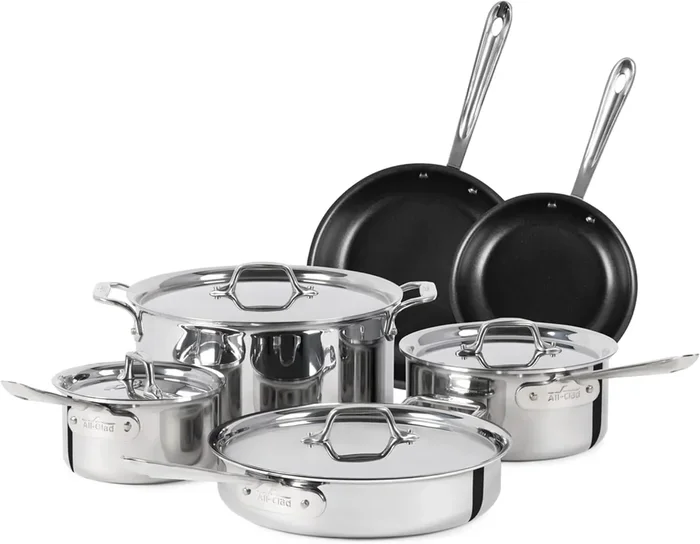
All-Clad is a legendary name in the world of kitchen cookware. Based in Canonsburg, Pennsylvania, All-Clad has been crafting premium pots and pans since the 1960s. Their cookware is used by professional chefs and home cooks alike. The brand is famous for its tri-ply construction, which bonds three layers of metal together. This creates even heating and excellent heat retention.
When people ask can All Clad cookware go in the oven, they are really asking about versatility. All-Clad cookware is designed to move seamlessly from stovetop to oven. This is a huge advantage for recipes that start on the burner and finish under the broiler or in a hot oven. Understanding the construction helps you appreciate why certain pieces handle heat differently than others.
The Tri-Ply Construction Advantage
All-Clad’s signature tri-ply design sandwiches a core of aluminum between two layers of stainless steel. The aluminum core distributes heat evenly across the entire cooking surface. The stainless steel exterior provides durability and a beautiful appearance. The interior cooking surface is also stainless steel, making it non-reactive with acidic foods like tomatoes and wine.
This construction makes All-Clad heat resistant cookware that performs beautifully at high temperatures. The bonded layers do not separate under heat, which means your pan stays flat and stable. This is crucial when moving from a stovetop sear to an oven finish. The even heat distribution also prevents hot spots that can burn your food.
Different All-Clad Product Lines
All-Clad offers several product lines, each with unique features. The main lines include D3, D5, Copper Core, and HA1. Each line has different oven-safe capabilities. Let us look at what makes each one special and how it affects oven use.
- All-Clad D3: The classic tri-ply line. Oven safe up to 600°F. This is their most popular line and a staple in many kitchens.
- All-Clad D5: Five-ply construction with two aluminum cores. Oven safe up to 600°F. Offers even better heat distribution than D3.
- All-Clad Copper Core: Features a copper core for superior heat conductivity. Oven safe up to 600°F. Beautiful and highly responsive to temperature changes.
- All-Clad HA1: Hard anodized aluminum line. Oven safe up to 500°F. Lighter weight with excellent heat retention.
- All-Clad Stainless Limited Edition: Premium version of D3 with a brushed finish. Oven safe up to 600°F.
Which All-Clad Lines Are Oven Safe
The good news is that most All-Clad cookware is oven safe. The key is knowing which line you own and what its specific limits are. When you buy oven safe cookware, you invest in versatility. All-Clad delivers that versatility across nearly all their product lines.
Can All Clad Cookware Go In The Oven for every single piece? Almost. The vast majority of their stainless steel and hard anodized pieces can handle oven temperatures. However, there are always exceptions. Limited edition pieces, specialty items, and certain accessories may have different ratings. Always check the product documentation or the bottom of the pan for the specific oven-safe symbol and temperature rating.
D3 Oven Performance
The All-Clad D3 line is the workhorse of the collection. Its tri-ply construction handles oven temperatures up to 600°F with ease. You can sear a pork chop on the stovetop and then transfer the entire pan to a 400°F oven for finishing. The stainless steel handles stay cool on the stovetop but will become hot in the oven. Always use a towel or oven mitt when grabbing the handle.
D3 pans are compatible with all cooktops including induction. This makes them incredibly versatile for any kitchen setup. The oven-safe rating of 600°F covers nearly all cooking applications. From roasting vegetables at 425°F to baking a casserole at 375°F, D3 handles it all.
D5 Oven Performance
The D5 line adds two extra layers of stainless steel to the tri-ply design. This creates a five-ply construction that heats even more evenly. D5 cookware is also oven safe up to 600°F. The additional layers make the pan slightly heavier than D3, but the cooking performance is outstanding.
Professional chefs often prefer D5 for its superior heat distribution. When you are cooking with All-Clad D5 in the oven, you get consistent results across the entire cooking surface. There are no hot spots to worry about. This is especially important for delicate dishes like custards and sauces that need gentle, even heat.
Copper Core Oven Performance
The Copper Core line is All-Clad’s premium offering. It features a copper core that provides the best heat responsiveness on the market. This line is oven safe up to 600°F. The copper core reacts quickly to temperature changes, making it perfect for oven work where you need precise control.
The beautiful copper exterior is a stunning addition to any kitchen. However, the copper exterior requires special care. You should hand wash Copper Core pieces and use a copper polish periodically. The oven-safe rating does not change the care requirements for the exterior finish.
HA1 Oven Performance
The HA1 line is All-Clad’s hard anodized aluminum cookware. It is oven safe up to 500°F, which is lower than the stainless steel lines. The hard anodized surface is non-reactive and naturally nonstick. HA1 is lighter weight, making it easier to handle when transferring from stovetop to oven.
Keep in mind that the 500°F limit is still sufficient for most cooking tasks. Roasting, baking, and broiling all fall well within this range. However, if you plan to use the broiler at very high temperatures, the stainless steel lines offer a wider safety margin.
Temperature Limits and Safety Guidelines
Knowing the maximum oven-safe temperature for your All-Clad cookware is critical. Exceeding these limits can damage the cookware and void the All-Clad warranty. Most All-Clad stainless steel lines handle up to 600°F. The HA1 line caps at 500°F. But temperature limits are only part of the safety picture.
When you ask can All Clad cookware go in the oven, you should also consider how you are using it. Broiling at high temperatures, preheating empty pans, and thermal shock are all factors that affect safety. Let us explore the temperature guidelines in detail.
Understanding Oven Temperature Ratings
Every piece of All-Clad cookware has a specific oven-safe temperature rating stamped on the bottom. Here is a quick reference guide:
- All-Clad D3, D5, Copper Core, Stainless Limited Edition: 600°F maximum
- All-Clad HA1: 500°F maximum
- All-Clad nonstick lines: Typically 500°F maximum
- All-Clad lids (stainless steel): Generally 600°F
- All-Clad lids (glass): Usually 400°F to 450°F
These ratings cover nearly all cooking scenarios. Most oven recipes operate between 300°F and 450°F. Even high-heat roasting and broiling rarely exceed 550°F. So the standard All-Clad lines have plenty of headroom for everyday cooking.
The Danger of Thermal Shock
Thermal shock happens when you expose cookware to rapid temperature changes. For example, taking a cold pan from the refrigerator and placing it in a hot oven. Or rinsing a hot pan under cold water immediately after cooking. Both scenarios can warp the pan or crack the bonding layers.
To avoid thermal shock, always let your All-Clad cookware come to room temperature before placing it in a hot oven. Never plunge a hot pan into cold water. Let it cool naturally on a trivet or heat-safe surface. Following these simple practices will protect your metal cookware and extend its lifespan significantly.
Preheating Empty Pans
Preheating an empty All-Clad pan on high heat is generally not recommended. Stainless steel pans can develop hot spots when preheated empty. This can lead to discoloration or warping over time. If you need to preheat your pan, add a small amount of oil or butter first. This distributes the heat more evenly across the cooking surface.
When using the oven, you can preheat the pan inside a cold oven and then set the temperature. This gradual heating process prevents thermal stress. It is a small habit that makes a big difference in preserving your cookware quality.
Handles, Lids, and Oven-Safe Components
When evaluating can All Clad cookware go in the oven, the handles and lids deserve special attention. The cooking body of the pan may be oven safe, but the handles and lids might have different temperature limits. This is where many cooks make mistakes and risk burns or damage.
All-Clad stainless steel handles are designed to withstand high oven temperatures. They are made from the same stainless steel as the cookware body. However, they will get hot in the oven. Always use an oven mitt or a dry towel when gripping stainless steel handles inside the oven.
Handle Materials and Their Limits
Different All-Clad lines use different handle materials. Understanding these differences is important for safe oven use:
- Stainless steel handles: Oven safe up to 600°F. Found on D3, D5, Copper Core, and Stainless Limited Edition lines.
- Silicone-wrapped handles: Generally safe up to 400°F to 450°F. Check the specific product guidelines.
- Phenolic (plastic) handles: Usually rated to 350°F or 375°F. Found on some budget-friendly lines and accessories.
- Cast iron handles: Oven safe to very high temperatures. Found on select All-Clad cast iron pieces.
If you have silicone or phenolic handles, you must respect their lower temperature limits. Placing a pan with a phenolic handle in a 500°F oven will damage the handle and potentially release harmful fumes. Always double-check the handle material before putting any pan in the oven.
Lid Compatibility for Oven Use
Not all All-Clad lids are oven safe at the same temperature as the cookware. Stainless steel lids from the D3, D5, and Copper Core lines are typically oven safe up to 600°F. Glass lids, however, are usually rated to only 400°F or 450°F.
If you need to cover a dish in the oven at 500°F, use the stainless steel lid. Glass lids should stay on the stovetop or be used in lower-temperature oven applications. Using a glass lid beyond its temperature limit can cause it to shatter, which is both dangerous and messy.
Some All-Clad lids feature silicone rims or handles. These components also have temperature limits. Check the lid construction and follow the manufacturer’s recommendations for oven use. When in doubt, remove the lid and cook uncovered at high temperatures.
How to Care for Your All-Clad Cookware
Proper care keeps your All-Clad cookware performing at its best for decades. Even the most durable cookware durability products need maintenance. Follow these care tips to protect your investment and ensure your pieces look great and perform well every time you use them.
Cleaning Best Practices
All-Clad stainless steel cookware is dishwasher safe, but hand washing is always best. Dishwashing detergents can dull the exterior finish over time. Hand washing with warm water and mild dish soap preserves the shine and the bonded layers. Use a non-abrasive sponge to avoid scratching the cooking surface.
For stubborn stains or stuck-on food, soak the pan in warm soapy water for 15 to 20 minutes. A paste of baking soda and water can help remove discoloration. Bar Keeper’s Friend is also safe for All-Clad stainless steel and works wonders on stubborn stains. Avoid using steel wool or harsh abrasive pads that can scratch the surface.
Dealing with Discoloration
Over time, your All-Clad cookware may develop rainbow discoloration or a bluish tint. This is caused by overheating or exposure to high heat. The discoloration does not affect cooking performance, but it can be unsightly. To remove it, simmer a solution of vinegar and water in the pan for a few minutes, then wash normally.
Prevent discoloration by avoiding empty preheating and keeping the heat at medium or medium-high. All-Clad cookware distributes heat so well that you rarely need high heat to cook effectively. Lower heat settings also save energy and reduce the risk of warping.
Storage and Stacking Tips
Proper storage prevents scratches and dents. If you stack your All-Clad pans, place a soft cloth or paper towel between each piece. This prevents the stainless steel surfaces from scratching each other. Hanging your cookware on a pot rack is another excellent option that keeps pieces accessible and protected.
Avoid storing acidic foods in All-Clad pans for extended periods. While the stainless steel is non-reactive, prolonged exposure can affect the appearance. Transfer leftovers to glass or plastic containers after cooking.
Warranty and Replacement Information
All-Clad offers a lifetime warranty on their cookware against defects in materials and craftsmanship. The warranty does not cover damage from misuse, including overheating beyond recommended limits or thermal shock. Registering your cookware on the All-Clad website is a good idea. It makes the warranty claim process smoother if you ever need it.
If a piece becomes warped or the bonding layers separate, contact All-Clad customer service. They are known for excellent support and will typically replace defective products promptly. Keeping your purchase receipt and following care guidelines ensures your warranty remains valid.
Common Mistakes to Avoid
Even experienced cooks make mistakes with their cookware. Avoiding these common errors will help you get the most out of your All-Clad pieces and keep them safe in the oven.
Assuming All Pieces Are Identical
Not every All-Clad piece handles the oven the same way. A saucepan might have different handle materials than a skillet. A lid might have a different temperature rating than the pan. Always check the specific product before placing it in the oven. When in doubt, consult the All-Clad website or product manual.
Ignoring Handle Temperature Limits
This is the most common mistake home cooks make. They assume that because the pan body is oven safe, the entire piece is safe. But silicone-wrapped or phenolic handles can melt or release harmful fumes at high temperatures. Always verify the handle material and its oven-safe rating before using the pan in the oven.
Using Metal Utensils on Nonstick All-Clad
All-Clad offers nonstick cookware lines alongside their stainless steel products. Nonstick pans have different oven-safe considerations. The nonstick coating can degrade at high temperatures, releasing fumes that are harmful to humans and pets. Never preheat a nonstick pan empty, and always stay within the recommended temperature limit.
Neglecting to Preheat Gradually
Placing cold cookware directly into a preheated oven causes thermal stress. The pan expands rapidly, which can warp the base or separate the bonded layers. Always place cookware in a cold oven and let the oven heat up with it. This gradual temperature change protects the construction integrity of your All-Clad pieces.
Expert Tips for Cooking with All-Clad in the Oven
Now that you understand the oven capabilities of your All-Clad cookware, here are some expert tips to help you get the best results every time.
- Use the stovetop-to-oven technique for perfect sears: Sear meat on the stovetop, then transfer the entire pan to a 400°F oven to finish cooking. The even heat distribution creates a beautiful crust and perfectly cooked interior.
- Invest in an oven-safe thermometer: All-Clad pans are oven safe to 600°F, but most cooking happens between 350°F and 450°F. A good oven thermometer ensures your oven is at the right temperature for best results.
- Use silicone oven mitts for handle grip: Stainless steel handles get very hot in the oven. Silicone oven mitts provide a secure grip and protect your hands from burns.
- Let pans cool before washing: Never immerse a hot All-Clad pan in cold water. Let it cool to room temperature first to prevent thermal shock and warping.
- Match the pan size to the oven rack: Make sure your pan fits comfortably in the oven with clearance on all sides. Crowded ovens heat unevenly and can affect cooking results.
Comparison Table: All-Clad Oven-Safe Ratings
| All-Clad Line | Construction | Max Oven Temp | Handle Type | Dishwasher Safe |
|---|---|---|---|---|
| D3 | Tri-ply stainless steel | 600°F | Stainless steel | Yes |
| D5 | Five-ply stainless steel | 600°F | Stainless steel | Yes |
| Copper Core | Tri-ply with copper core | 600°F | Stainless steel | Yes |
| HA1 | Hard anodized aluminum | 500°F | Stainless steel | Yes |
| Nonstick Lines | Hard anodized with coating | 500°F | Silicone or phenolic | Hand wash recommended |
| Stainless Steel Lids | Stainless steel | 600°F | N/A | Yes |
| Glass Lids | Borosilicate glass | 400°F-450°F | N/A | Hand wash recommended |
This table provides a quick reference for oven-safe ratings across the All-Clad product range. Always double-check the specific product before oven use. Temperature ratings can vary slightly between collections and limited editions.
Why All-Clad Cookware Is Worth the Investment
All-Clad cookware represents a significant investment in your kitchen. But the quality, performance, and durability justify the cost. When you can confidently ask can All Clad cookware go in the oven and get a reliable answer, you unlock the full potential of these premium pieces.
The even heat distribution means your food cooks more evenly. The stainless steel construction means no harmful coatings to worry about. The oven-safe versatility means fewer pans to buy and less cleanup. These factors combine to make All-Clad a smart choice for serious home cooks.
Whether you are roasting a chicken, baking a casserole, or finishing a steak under the broiler, All-Clad delivers consistent results. The cookware holds up to years of daily use with proper care. Many families pass down All-Clad pieces from generation to generation. That is the kind of durability and performance you can count on.
Conclusion
So, can All Clad cookware go in the oven? Yes, the vast majority of All-Clad pieces are oven safe and built to handle high temperatures. The D3, D5, Copper Core, and Stainless Limited Edition lines all handle up to 600°F. The HA1 line caps at 500°F. Nonstick lines and pieces with silicone or phenolic handles have their own temperature limits that you must respect. Always check the specific product markings and manufacturer guidelines before using any piece in the oven.
By understanding your All-Clad cookware’s oven capabilities, you can cook with confidence and creativity. The stovetop-to-oven versatility is one of the biggest advantages of premium stainless steel cookware. Follow the care guidelines, avoid thermal shock, and your All-Clad pieces will perform beautifully for decades. Invest in quality, use it wisely, and enjoy the incredible cooking results that All-Clad delivers every single time.
Frequently Asked Questions
Can All Clad cookware go in the oven at 450 degrees?
Yes, all All-Clad stainless steel lines including D3, D5, and Copper Core are oven safe up to 600°F. A temperature of 450°F is well within their safe operating range. Just make sure the handles and any lids you use are also rated for that temperature.
What happens if I put All-Clad in the oven above its rated temperature?
Exceeding the rated temperature can damage the bonded layers and void the All-Clad warranty. The handles may warp or release harmful fumes if they are made of silicone or phenolic materials. Always stay within the manufacturer’s recommended maximum oven temperature.
Are All-Clad glass lids oven safe?
All-Clad glass lids are generally oven safe up to 400°F to 450°F, which is lower than the stainless steel lids. Check the specific lid for its rating. For high-temperature oven cooking, use the stainless steel lid instead of a glass one.
Can I put my All-Clad pan in the oven right after taking it from the fridge?
No, this is a bad practice that can cause thermal shock. The rapid temperature change can warp the pan or damage the bonded layers. Always let your cookware come to room temperature before placing it in a hot oven.
Is All-Clad nonstick cookware oven safe?
Most All-Clad nonstick pieces are oven safe up to 500°F. However, the nonstick coating can degrade at high temperatures, which may release harmful fumes. Avoid preheating nonstick pans empty and always follow the manufacturer’s temperature guidelines.
How do I know if my specific All-Clad piece is oven safe?
Check the bottom of the pan for the oven-safe symbol and temperature rating. You can also visit the All-Clad website or contact their customer service with your product model number. When in doubt, hand the pan and avoid oven use to prevent damage.