How Long To Cook Potatoes And Onions In Oven Perfectly
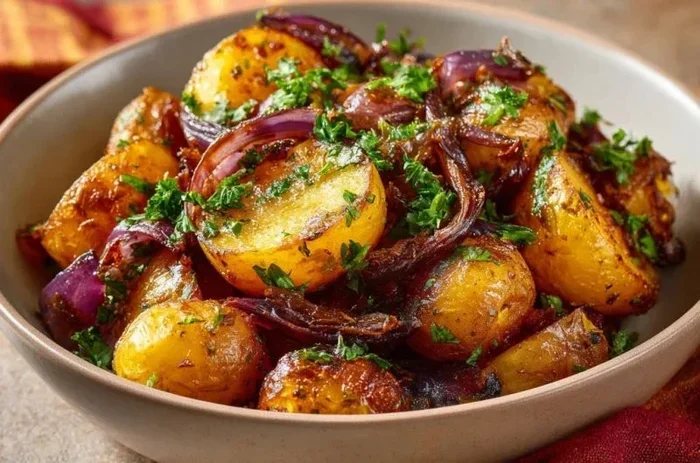
Learning how long to cook potatoes and onions in oven is easy when you know the right temperature and timing. Most recipes call for roasting at 400°F to 425°F for about 30 to 45 minutes. This guide covers everything from basic roasting times to expert tips that make your oven roasted vegetables taste amazing every single time.
There is something deeply satisfying about pulling a tray of roasted potatoes and onions out of the oven. The kitchen fills with a warm, savory aroma. The edges turn golden brown and crispy. And the inside stays soft and fluffy. Whether you are meal prepping for the week or cooking dinner for your family, mastering the art of oven roasted vegetables is a skill that pays off every single time.
But here is the question that trips up so many home cooks: how long to cook potatoes and onions in oven? The answer depends on a few things. The size of your cuts matters. The oven temperature matters. Even the type of potato you use plays a role. In this guide, we will walk through everything you need to know. By the end, you will feel confident making perfect caramelized onions and tender potatoes every time.
The beauty of this dish is its simplicity. You need just a few ingredients, a baking sheet, and an oven. No special equipment. No complicated techniques. Just good food that comes together with minimal effort. Let us dive in and make your next batch of roasted potatoes and onions absolutely perfect.
Key Takeaways
- Standard roasting time: Potatoes and onions need 30 to 45 minutes at 400°F to 425°F for golden, tender results.
- Cut size matters: Smaller pieces cook faster, while larger chunks need more time in the oven.
- Temperature control is key: Too low and they steam, too high and they burn. 400°F to 425°F is the sweet spot.
- Don’t skip the tossing: Coating vegetables in olive oil and seasoning ensures even browning and crispy edges.
- Fresh herbs make a difference: Adding herbs like rosemary and thyme elevates the flavor of your herb roasted potatoes.
- Check for doneness: A fork should slide in easily. If it meets resistance, give them a few more minutes.
- Rest before serving: Letting them sit for 5 minutes helps the flavors settle and the texture set.
📑 Table of Contents
- How Long To Cook Potatoes And Onions In Oven: The Basics
- Best Oven Temperature For Potatoes And Onions
- Step-by-Step Guide To Roasting Potatoes And Onions
- Different Ways To Cook Potatoes And Onions In Oven
- Tips For Perfectly Roasted Potatoes And Onions
- Common Mistakes To Avoid
- Comparison: Potato Varieties For Roasting
- How To Store And Reheat Roasted Potatoes And Onions
- Frequently Asked Questions
- Conclusion
How Long To Cook Potatoes And Onions In Oven: The Basics
The short answer is that most oven roasted potatoes and onions take about 30 to 45 minutes at temperatures between 400°F and 425°F. But that is just the starting point. Let us break down the details so you can nail it every time.
Standard Roasting Time And Temperature
For diced potatoes and onions cut into roughly one-inch pieces, 400°F works beautifully. At this oven temperature, the vegetables roast evenly without burning. The outside turns crispy while the inside stays soft and fluffy.
If you prefer larger chunks, bump the time up to 40 to 50 minutes. Smaller pieces like thin wedges or sliced onions may be done in as little as 25 to 30 minutes. The key is to keep an eye on them and use your senses. You want golden brown edges and a fork-tender texture inside.
Here is a quick reference for common scenarios:
- Diced potatoes (one-inch cubes) and sliced onions at 400°F: 30 to 40 minutes
- Large potato wedges and onion wedges at 425°F: 35 to 45 minutes
- Thinly sliced potatoes and onions at 400°F: 25 to 35 minutes
- Small potato cubes and whole pearl onions at 400°F: 30 to 40 minutes
Why Timing Varies
Not all root vegetables are created equal. Russet potatoes take longer than Yukon Gold. Red potatoes have thinner skins and cook faster. Sweet onions caramelize more quickly than white onions. All of these factors change your cooking time.
Also, how crowded your baking sheet is matters a lot. If you spread the vegetables in a single layer with space between them, hot air circulates freely. They roast evenly and develop those beautiful crispy edges. If you pile them on top of each other, they steam instead of roast. That means longer cooking times and soggy results.
Best Oven Temperature For Potatoes And Onions
Temperature is one of the most important variables in oven roasted vegetables. Getting it right makes all the difference between mushy, pale vegetables and perfectly crispy edges with deep flavor.
The Sweet Spot: 400°F to 425°F
Most oven roasting experts agree that 400°F to 425°F is the ideal range for potatoes and onions. At 400°F, the vegetables cook through gently and evenly. At 425°F, you get faster caramelization and crispier results.
If you like a more golden, almost charred look, go with 425°F. Just watch them a little closer. The higher heat can cause the edges to burn if you leave them too long. For a gentler roast with more even cooking, stick with 400°F.
What Happens At Lower Temperatures?
Some recipes call for lower temperatures like 375°F. This works, but the cooking time increases. You might need 45 to 55 minutes at 375°F for diced potatoes and onions. The benefit is a more gentle roast that prevents burning. The trade-off is less browning and crispiness.
If you have the time and prefer a softer texture, a lower temperature can work well. But for most home cooks, 400°F to 425°F delivers the best balance of crispy exterior and tender interior.
What Happens At Higher Temperatures?
Temperatures above 450°F can work for very small cuts. But for standard potato and onion pieces, 450°F and above often lead to burning on the outside before the inside is cooked through. We recommend staying in the 400°F to 425°F range for reliable, delicious results every time.
Step-by-Step Guide To Roasting Potatoes And Onions
Now that you know the timing and temperature, let us walk through the actual process. This step-by-step guide makes it foolproof.
Step 1: Prep Your Vegetables
Start by washing your potatoes thoroughly. You do not need to peel them unless you prefer the skin off. The skin adds texture and nutrients. Cut the potatoes into even pieces. One-inch cubes work great for most recipes.
For the onions, cut them into wedges or thick slices. Keeping the layers somewhat intact helps them hold their shape during roasting. Red onions and sweet onions caramelize beautifully. Yellow onions are a reliable all-around choice.
Step 2: Season Generously
Place the diced potatoes and onion pieces in a large bowl. Add olive oil, salt, pepper, and any herbs you like. Toss everything together until the vegetables are evenly coated.
Do not be shy with the seasoning. The olive oil helps the heat transfer evenly. It also creates the crispy golden brown exterior. A good rule of thumb is about one tablespoon of olive oil per pound of vegetables.
Step 3: Arrange On The Baking Sheet
Spread the vegetables in a single layer on a baking sheet lined with parchment paper or a silicone mat. This prevents sticking and makes cleanup easier. The most important thing is to avoid overcrowding.
Leave space between each piece. You want air to flow around every vegetable. If your baking sheet is not big enough, use two sheets. It is tempting to squeeze everything onto one tray, but that is the number one mistake people make.
Step 4: Roast And Check
Put the baking sheet in the oven on the middle rack. Set your timer for 25 minutes. At the 25-minute mark, open the oven and give the vegetables a good toss. This helps them cook evenly and develop crispy edges on all sides.
Return them to the oven and check again at 35 minutes. Use a fork to test a piece. If it slides in easily, they are done. If there is resistance, give them another 5 to 10 minutes.
Step 5: Rest And Serve
Once done, pull the tray out and let the vegetables rest for about 5 minutes. This brief rest allows the flavors to settle. The outside firms up slightly, and the inside stays perfectly tender.
Serve them warm as a side dish, toss them into salads, or add them to grain bowls. They pair wonderfully with grilled meats, fish, or even as a standalone vegetarian meal.
Different Ways To Cook Potatoes And Onions In Oven
Roasting is not the only method. There are several approaches that change the texture and flavor of your oven roasted vegetables. Let us explore the most popular ones.
Classic Sheet Pan Roast
This is the method we have been describing. Potatoes and onions roasted together on a baking sheet at 400°F to 425°F. It is simple, hands-off, and produces consistently great results. The vegetables caramelize naturally, and the flavors deepen as they roast.
Best for: Weeknight dinners, meal prep, and feeding a crowd. This method is forgiving and hard to mess up.
Herb Roasted Potatoes And Onions
For a more flavorful version, add fresh herbs to your seasoning mix. Rosemary and thyme are classic choices. Fresh rosemary sprigs placed directly on the tray infuse the vegetables with a wonderful aroma as they cook.
You can also add minced garlic in the last 10 minutes of roasting. Garlic burns quickly, so adding it late prevents bitterness. The result is a fragrant, herb roasted dish that elevates any meal.
Oven Roasted Potato Wedges With Onions
Instead of dicing the potatoes, cut them into wedges. Toss them with olive oil, paprika, garlic powder, and salt. Add onion wedges to the same tray. Roast at 425°F for 35 to 45 minutes until the edges are crispy and the inside is fork tender.
This version has more texture contrast. The wedges have a satisfying crunch on the outside and fluffy softness inside. They make an excellent side dish for barbecues, potlucks, or family dinners.
Slow Roasted Potatoes And Onions
For a different texture, try roasting at 350°F for 60 to 75 minutes. The lower temperature and longer time create a unique softness. The onions melt into the potatoes, creating a rich, deeply flavored dish.
This method works well when you want a hands-off approach. You can prep the vegetables in the morning and come home to a fully roasted side dish in the evening.
Tips For Perfectly Roasted Potatoes And Onions
Getting great results comes down to a few simple habits. These quick tips will level up your roasting game immediately.
Soak The Potatoes First
Soaking your diced potatoes in cold water for 20 to 30 minutes removes excess starch. This leads to crispier roasted potatoes with less sticking. After soaking, dry them thoroughly before tossing with oil and seasoning.
Use Parchment Paper Or A Silicone Mat
These liners prevent sticking and promote even browning. They also make cleanup a breeze. Without a liner, the vegetables can fuse to the baking sheet, and you may lose some pieces when flipping them.
Preheat Your Oven
Always preheat your oven before adding the vegetables. Putting cold food into a cold oven leads to uneven cooking and longer roast times. A hot oven from the start ensures immediate caramelization and better texture.
Toss Halfway Through
This single habit makes a huge difference. At the halfway point, flip or toss the vegetables. The pieces that were on the bottom move to the top and vice versa. This ensures all sides get equal exposure to the heat, resulting in even golden brown color on every piece.
Add Salt After Roasting If Needed
Some cooks prefer to add a light sprinkle of salt after roasting. This keeps the surface dry during cooking, which promotes crispiness. Then a final seasoning adjustment right before serving brings out the best flavor.
Common Mistakes To Avoid
Even experienced cooks make mistakes when roasting vegetables. Here are the most common ones and how to avoid them.
Overcrowding The Pan
This is the single biggest mistake. When vegetables are packed too tightly, they steam instead of roast. The result is soggy, pale, and limp. Give each piece room to breathe. If you need to, use two baking sheets instead of one crowded one.
Using Too Much Or Too Little Oil
Too much oil makes the vegetables greasy. Too little oil causes them to dry out and stick to the pan. The right amount coats each piece lightly without pooling at the bottom of the tray. Start with one tablespoon per pound and adjust from there.
Skipping The Toss
If you do not toss the vegetables halfway through, the bottom pieces burn while the top pieces stay pale. Set a timer and make the flip. It takes just 10 seconds and dramatically improves the result.
Not Cutting Pieces Evenly
Uneven cuts mean uneven cooking. Some pieces will be burnt while others are still raw. Take the extra few minutes to cut everything to a similar size. Your cooking time will be much more predictable and the results far more consistent.
Opening The Oven Door Too Often
Every time you open the oven door, heat escapes. This drops the oven temperature and extends cooking time. Resist the urge to check too frequently. Use the oven light and window to monitor progress without losing heat.
Comparison: Potato Varieties For Roasting
Not all potatoes roast the same way. Different varieties bring different textures and flavors to the table. Here is how they compare when cooked in the oven with onions.
| Variety | Texture When Roasted | Best For | Roasting Time At 400°F |
|---|---|---|---|
| Russet | Fluffy inside, crispy outside | Wedges and large chunks | 40 to 50 minutes |
| Yukon Gold | Creamy and buttery | Diced cubes and salads | 30 to 40 minutes |
| Red Potato | Firm and waxy | Roasted wedges and soups | 35 to 45 minutes |
| Fingerling | Crisp outside, creamy inside | Whole roasted with onions | 25 to 35 minutes |
Each variety brings something unique to the dish. Yukon Gold is a favorite for its creamy texture and buttery flavor. Russet potatoes give you that satisfying crispy exterior. Red potatoes hold their shape well and add a beautiful color to the tray. Fingerlings are elegant and cook quickly, making them perfect for smaller batches.
You can also mix varieties for a more interesting dish. Try combining Yukon Gold and red potatoes with caramelized sweet onions for a colorful and flavorful side dish that everyone will love.
How To Store And Reheat Roasted Potatoes And Onions
Leftover roasted vegetables are just as delicious the next day. Store them in an airtight container in the refrigerator for up to 4 days. They make a great addition to lunches, salads, and breakfasts.
To reheat, spread them on a baking sheet and warm at 375°F for 10 to 15 minutes. This restores the crispy edges that may have softened in the fridge. Avoid microwaving if you can. Microwaves make the vegetables soggy and remove all that wonderful crispy texture you worked hard to achieve.
If you are meal prepping, roast a big batch on Sunday and use it throughout the week. Toss roasted potatoes and onions into grain bowls, wraps, or pasta dishes for an instant flavor boost. They are one of the most versatile oven roasted vegetables you can make.
Frequently Asked Questions
Can I cook potatoes and onions together in the oven?
Absolutely. Potatoes and onions roast beautifully together. They complement each other in flavor and cook at similar rates when cut to a similar size. Just make sure to toss them together and spread them in a single layer on the baking sheet for the best results.
Do I need to peel the potatoes before roasting?
No, you do not need to peel them. The skin adds texture, nutrients, and helps the potato hold its shape during roasting. Just wash them thoroughly and scrub off any dirt. If you prefer a smoother texture, peeling is an option, but it is not necessary for delicious roasted potatoes.
What is the best oil for roasting potatoes and onions?
Olive oil is the most popular choice for oven roasted vegetables. It has a pleasant flavor and a moderate smoke point that works well at 400°F to 425°F. Avocado oil is another great option with a higher smoke point. Avoid butter for roasting, as it burns at high temperatures.
How do I know when roasted potatoes and onions are done?
The best way to check is to pierce a piece with a fork. It should slide in easily with no resistance. The outside should be golden brown with crispy edges. If the pieces look pale or the fork meets resistance, give them a few more minutes in the oven.
Can I add other vegetables to the same tray?
Yes, you can add carrots, bell peppers, zucchini, or other root vegetables to the same tray. Just keep in mind that different vegetables have different cooking times. Cut everything to a similar size so they finish around the same time. Dense vegetables like carrots may need a few extra minutes.
Why are my roasted potatoes soggy instead of crispy?
The most common reason is overcrowding the pan. When vegetables are too close together, they steam instead of roast. Another cause is not drying the potatoes after soaking. Make sure to pat them dry thoroughly. Also, using too little oil can lead to a dry, less crispy result. Use enough oil to lightly coat each piece.
Conclusion
Mastering how long to cook potatoes and onions in oven opens up a world of delicious, easy meals. With the right temperature, timing, and a few simple techniques, you can create perfectly roasted vegetables that rival anything from a restaurant. The standard approach of 30 to 45 minutes at 400°F to 425°F works for most situations, but the real secret is paying attention to your vegetables as they cook.
Remember to cut your pieces evenly, avoid overcrowding the baking sheet, and toss halfway through. Use good olive oil and season generously. These small habits make a massive difference in the final result. Whether you are making crispy potato wedges, herb roasted vegetables, or a simple sheet pan dinner, the principles remain the same.
Now that you have all the knowledge and tips, it is time to get cooking. Preheat your oven, grab your baking sheet, and make a batch of golden brown, perfectly roasted potatoes and onions tonight. Once you taste how good homemade oven roasted vegetables can be, you will never go back to frozen or takeout again. Enjoy the process, experiment with flavors, and most importantly, savor every bite.