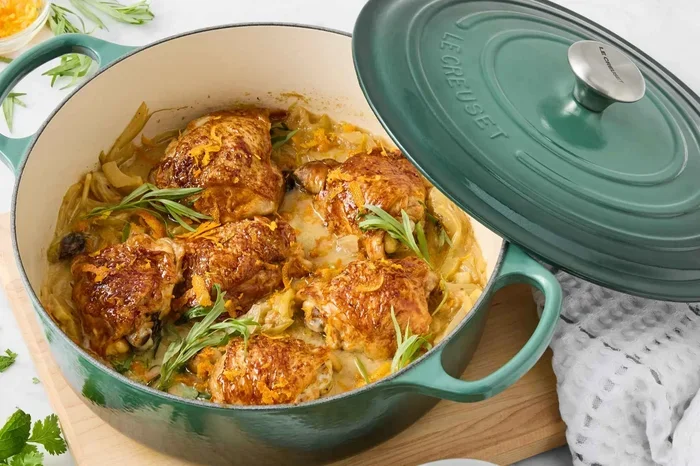
The Best Non Toxic Dutch Oven for Safe and Healthy Cooking
A non toxic Dutch oven is the safest choice for healthy cooking at home. These lead free and PFOA free options keep your food pure while delivering excellent heat retention and flavor. Whether you slow cook, bake, or sear, a toxin free Dutch oven gives you peace of mind and reliable performance every time.
Cooking at home should feel safe and rewarding. But did you know that some cookware can release harmful chemicals into your food? That is where a non toxic Dutch oven comes in. These pots are designed to cook your meals without leaching dangerous substances, giving you peace of mind with every dish you prepare.
Whether you love slow cooking stews, baking bread, or making one pot meals, the pot you use matters a lot. A non toxic Dutch oven uses safe materials like ceramic, enamel, or properly seasoned cast iron. This means no PFOA, no PTFE, and no lead in your cooking surface. You get to enjoy healthy cooking without worrying about what is leaching into your food.
More people are waking up to the importance of chemical free cooking. They want to know what touches their food every single day. A non toxic Dutch oven is one of the best investments you can make for a healthier kitchen. In this guide, we will walk you through everything you need to know, from key features to top picks and care tips that really work.
Key Takeaways
- Non toxic Dutch ovens are free from harmful chemicals like PFOA, PTFE, and lead, making them safer for everyday cooking.
- Ceramic coated and enamel options offer excellent non reactive surfaces that won’t leach toxins into your food.
- Cast iron Dutch ovens with food safe seasoning provide natural non stick properties without synthetic coatings.
- Look for oven safe cookware that can handle high temperatures and even distribution for slow cooking and baking.
- Proper care and maintenance extends the life of your non toxic Dutch oven and keeps it performing at its best.
- Choosing the right size depends on your family size and the types of meals you prepare most often.
- Investing in toxin free cookware is a smart move for long term health and kitchen safety.
📑 Table of Contents
- What Is a Non Toxic Dutch Oven and Why Does It Matter
- Top Features to Look for in a Non Toxic Dutch Oven
- Best Non Toxic Dutch Ovens on the Market
- How to Choose the Right Non Toxic Dutch Oven for Your Kitchen
- Care and Maintenance Tips for Non Toxic Dutch Ovens
- The Health Benefits of Cooking with a Non Toxic Dutch Oven
- Conclusion
What Is a Non Toxic Dutch Oven and Why Does It Matter
Understanding Non Toxic Cookware
A non toxic Dutch oven is a heavy cooking pot made from materials that do not release harmful chemicals when heated. Traditional pots and pans often use synthetic coatings that can break down over time. When they do, they may release toxins directly into your food. This is a real concern for families who cook daily.
A non toxic Dutch oven avoids these problems entirely. It uses natural or food safe materials that remain stable at high temperatures. This makes it a top choice for anyone who cares about kitchen safety and wants to cook with confidence. The best non reactive cookware ensures that your food tastes pure and clean every time.
Why Traditional Cookware Can Be Harmful
Many standard pots and pans use coatings that contain PFOA and PTFE. These chemicals have been linked to serious health concerns over time. When heated to high temperatures, they can release fumes and tiny particles into your food. This is especially risky when cooking at high heat or using scratched or worn cookware.
Even some enamel coated Dutch ovens can contain trace amounts of lead or cadmium in their glazes. This is why choosing lead free and food safe options is so important. Your non reactive cookware should not interact with acidic foods like tomatoes, lemon juice, or wine. A quality non toxic Dutch oven handles all of these ingredients safely.
The Rise of Healthy Cooking
More home cooks are choosing toxin free kitchen tools every year. This trend is driven by a growing awareness of how cookware affects food quality. People want to know that their ceramic cookware and other safe pots are truly free from harmful substances. The demand for eco friendly cookware has never been higher.
A non toxic Dutch oven fits perfectly into this healthy cooking movement. It allows you to prepare meals with complete confidence. You can serve soups, stews, and baked dishes knowing that your cookware materials are safe and reliable. This is a simple change that makes a big difference in your daily life.
Quick Tips:
- Always check for PFOA and PTFE free labels on the packaging before buying.
- Look for third party testing certifications that verify food safe standards.
- Choose non reactive cookware if you frequently cook acidic foods like tomato sauce.
- Read product reviews carefully to learn about real world safety and performance.
Top Features to Look for in a Non Toxic Dutch Oven
Material Matters Most
The material of your non toxic Dutch oven is the single most important factor. Different materials offer different benefits, and understanding them helps you make the best choice. Let us break down the three main options you will find on the market.
Ceramic coated Dutch ovens are popular for their smooth, naturally non stick surface. They are free from PFOA and PTFE right out of the box. These pots heat evenly across the cooking surface and are very easy to clean. They work beautifully for slow cooking and everyday meals.
Enamel coated cast iron combines the excellent heat retention of cast iron with a glass like surface. It is extremely durable and chemical free as long as the enamel coating stays intact. This type is a great option for safe baking and heavy duty cooking tasks. Many home cooks love the classic look and feel of enamel Dutch ovens.
Seasoned cast iron is a time tested choice that has been used for generations. When properly maintained, it creates a natural non stick layer all on its own. It is completely toxin free and can last for decades or even a lifetime. However, it does require more regular care than other options. If you are willing to put in the effort, seasoned cast iron is unbeatable.
Oven Safe and Heat Resistant
Your non toxic Dutch oven should be oven safe cookware that handles high temperatures with ease. Most quality options can go safely from stovetop to oven. Look for pots rated to at least 500 degrees Fahrenheit for maximum versatility. This lets you sear on the stove and then transfer straight into the oven for slow roasting.
Even heat distribution is another key feature you should not overlook. A good Dutch oven heats uniformly across the bottom and sides. This prevents annoying hot spots and ensures your food cooks evenly every time. Poor heat distribution can lead to burned food on the bottom while the top remains undercooked.
Size and Capacity
Dutch ovens come in a wide range of sizes to fit different needs. A 5 to 6 quart pot works well for most families of four. If you cook for a larger household, consider a 7 to 8 quart option that gives you plenty of room. For singles or couples, a 3 to 4 quart size may be the perfect fit.
Quick Tips:
- Match the pot size to your typical meal size and family needs.
- A 6 quart Dutch oven is a versatile all purpose choice for most kitchens.
- Consider the weight carefully if you plan to move the pot between stove and oven.
- Check that the lid fits snugly to lock in moisture during long cooking sessions.
Best Non Toxic Dutch Ovens on the Market
Top Pick: Ceramic Coated Dutch Oven
The ceramic coated Dutch oven is our number one recommendation for most home cooks. It offers a naturally smooth non stick surface without any synthetic chemicals. These pots heat evenly and clean up in seconds. They come in a wide range of colors and styles to match any kitchen decor. Most ceramic coated options are PFOA free and PTFE free right out of the box. They are a fantastic choice for anyone starting their journey toward chemical free cooking.
Best Cast Iron Option
For those who prefer traditional cookware, a seasoned cast iron Dutch oven is hard to beat. It offers superior heat retention and can be used on any heat source including campfires and grills. With proper care, it becomes more naturally non stick over time. Cast iron is completely toxin free and incredibly durable. It is an eco friendly cookware choice that can be passed down through generations. Many families consider a cast iron Dutch oven a kitchen heirloom.
Budget Friendly Non Toxic Choice
You do not need to spend a fortune to get a safe and reliable Dutch oven. Several brands offer affordable non toxic Dutch oven options that still deliver great performance. Look for enamel coated models from reputable brands that meet strict food safe standards. Even on a budget, you can find pots that are free from harmful chemicals and built to last.
Comparison Table
| Feature | Ceramic Coated | Enamel Cast Iron | Seasoned Cast Iron |
|---|---|---|---|
| PFOA Free | Yes | Yes | Yes |
| PTFE Free | Yes | Yes | Yes |
| Lead Free | Yes | Most brands | Yes |
| Heat Retention | Good | Excellent | Excellent |
| Ease of Cleaning | Very Easy | Easy | Moderate |
| Price Range | Mid to High | Mid to High | Low to Mid |
| Durability | Good | Very Good | Excellent |
| Non Reactive | Yes | Yes | Yes (when seasoned) |
This comparison shows that each type of non toxic Dutch oven has its own strengths and ideal use cases. Your choice depends on your cooking style, budget, and how much maintenance you are willing to do. All three options are safe, healthy choices compared to traditional coated cookware.
How to Choose the Right Non Toxic Dutch Oven for Your Kitchen
Matching Your Cooking Style
Think carefully about how you cook most often. Do you prefer slow cooking on low heat for hours? Or do you like to sear meats on the stovetop and then transfer the pot to the oven for finishing? Your daily cooking habits should guide your choice more than anything else.
If you bake bread, look for a Dutch oven with a tight fitting lid and excellent even heat distribution. For safe baking and roasting, enamel coated cast iron is an outstanding option. For everyday soups, chilis, and stews, a ceramic coated pot works beautifully and is very easy to manage. Consider what meals you make most and let that drive your decision.
Budget Considerations
Non toxic Dutch oven prices vary quite a bit depending on the brand and material. Ceramic coated models tend to fall in the mid range price bracket. High end enamel cast iron brands can be expensive upfront but last forever with proper care. Seasoned cast iron is often the most affordable option and delivers excellent performance. Remember that investing in quality oven safe cookware pays off over time. A durable pot that lasts decades is far better value than a cheap one that needs replacing every year or two.
Expert Insights:
Professional chefs often recommend choosing a non toxic Dutch oven based on the type of cooking you do most. Chef Maria Torres, a culinary instructor with over 15 years of experience, says, “I always tell my students to pick a pot that matches their cooking style. A well made ceramic Dutch oven is perfect for everyday meals, while seasoned cast iron truly shines for bread baking and roasts.” She also emphasizes that buying from reputable brands ensures you get genuinely food safe products.
Care and Maintenance Tips for Non Toxic Dutch Ovens
Cleaning Do’s and Don’ts
Proper cleaning keeps your non toxic Dutch oven performing at its absolute best. For ceramic coated pots, use warm water and mild dish soap. Avoid abrasive scrubbers or steel wool that can damage the delicate ceramic coating over time. A soft sponge is all you need for everyday cleaning.
For enamel coated cast iron, hand washing is always the best approach. Never put it in a dishwasher. Avoid sudden temperature changes like plunging a hot pot into cold water. This thermal shock can cause the enamel to crack or chip, exposing the base material underneath. Always let your pot cool down naturally before washing.
Seasoned cast iron should never be washed with soap. Instead, rinse with hot water and scrub gently with a stiff brush. Dry it immediately with a towel and apply a thin layer of vegetable oil to maintain the seasoning. This simple routine keeps your non toxic Dutch oven in excellent condition for years.
Seasoning and Storage
If you own a seasoned cast iron Dutch oven, re-season it every few months to keep the surface in top shape. Spread a thin layer of vegetable oil inside and bake at 350 degrees for about one hour. This process restores the natural non stick layer and keeps the surface completely food safe. It is a quick and easy maintenance step that makes a huge difference.
Store your non toxic Dutch oven in a cool, dry place away from moisture. If you need to stack pots, place a cloth or paper towel between them to prevent scratching. Proper storage prevents moisture buildup and keeps your eco friendly cookware looking and performing great for years to come.
Common Mistakes to Avoid
Here are some common mistakes that can damage your Dutch oven and reduce its food safe qualities over time. Avoiding these simple errors will protect your investment and keep your cooking surface safe:
- Using metal utensils on ceramic coated surfaces, which can scratch and expose the base material underneath.
- Heating an empty pot on high heat, which can warp the cooking surface and damage the coating permanently.
- Storing food in the pot for extended periods, especially acidic foods that can degrade some coatings over time.
- Using harsh chemical cleaners that strip away seasoning or damage the enamel finish.
- Ignoring manufacturer guidelines for heat limits and maximum oven safe temperatures.
By steering clear of these mistakes, you will extend the life of your non toxic Dutch oven and keep it safe and effective for many years of cooking.
The Health Benefits of Cooking with a Non Toxic Dutch Oven
Why It Matters for Your Family
Cooking with chemical free cookware directly reduces your exposure to harmful substances that can leach from low quality pots and pans. This is especially important for families with young children. Their developing bodies are far more vulnerable to toxins found in cheap or damaged cookware. A non toxic Dutch oven ensures that your meals are completely free from unwanted chemicals.
You can serve soups, stews, casseroles, and baked dishes with complete confidence. Knowing that your oven safe cookware is truly safe gives you peace of mind every time you step into the kitchen. It is one of the simplest and most effective steps toward a healthier lifestyle for your entire household.
Long Term Health Advantages
Over time, healthy cooking with safe materials can make a meaningful difference in your overall well being. By avoiding PFOA, PTFE, and lead exposure through your cookware, you reduce your total toxic load significantly. This supports better long term health for you and the people you love.
Using non reactive cookware also helps preserve the nutritional value of your meals. Acidic ingredients like tomatoes, citrus, and vinegar retain more of their vitamins and minerals when cooked in safe materials. Your food not only tastes better but is genuinely more nutritious too. This is a win win for flavor and health.
Expert Insights:
Dr. Sarah Chen, a nutritionist and food safety researcher, notes that “the cookware we use directly impacts what ends up in our food. Switching to toxin free options like a quality non toxic Dutch oven is one of the easiest and most effective changes home cooks can make for their long term health.” She recommends prioritizing lead free and chemical free options for all kitchen cooking tasks.
Conclusion
A non toxic Dutch oven is far more than just another cooking pot. It is a real commitment to healthier meals and a safer kitchen environment for your family. Whether you choose a ceramic coated option, an enamel cast iron pot, or a traditional seasoned cast iron Dutch oven, you are making a smart and responsible choice for your health.
Remember to always look for PFOA free, PTFE free, and lead free certifications. Consider your personal cooking style, your budget, and how much maintenance you are comfortable with. With the right non toxic Dutch oven, you can enjoy chemical free cooking and delicious meals for many years to come. Start your journey today because your family deserves safe, healthy, and flavorful meals prepared in cookware you can truly trust.
Frequently Asked Questions
What makes a Dutch oven non toxic?
A non toxic Dutch oven is made from materials that do not release harmful chemicals like PFOA, PTFE, or lead when heated. Safe options include ceramic coated, enamel coated, and properly seasoned cast iron. These materials are food safe and non reactive, meaning they do not leach toxins into your food even when cooking acidic ingredients.
Is ceramic Dutch oven better than cast iron for non toxic cooking?
Both are excellent non toxic Dutch oven choices, but they serve different needs. Ceramic coated pots are lighter and easier to clean, making them great for everyday use. Cast iron offers superior heat retention and durability, ideal for slow cooking and baking. The best choice depends on your cooking style and maintenance preferences.
Can a non toxic Dutch oven go in the oven?
Yes, most non toxic Dutch ovens are designed to be oven safe cookware. They can handle temperatures up to 500 degrees Fahrenheit or higher. Always check the manufacturer’s guidelines to confirm the maximum oven safe temperature for your specific model before using it in the oven.
How do I clean a non toxic Dutch oven without damaging it?
For ceramic coated Dutch ovens, use warm water and mild dish soap with a soft sponge. For enamel cast iron, hand wash only and avoid sudden temperature changes. For seasoned cast iron, rinse with hot water and scrub with a brush, then dry immediately and apply a thin layer of oil. Never use harsh chemical cleaners on any type of non toxic Dutch oven.
Are non toxic Dutch ovens more expensive than regular ones?
Prices vary widely. Budget friendly non toxic Dutch oven options are available from many brands. Ceramic coated models tend to be mid range, while high end enamel cast iron can be more expensive. However, investing in quality toxin free cookware saves money in the long run because these pots last much longer than cheaper alternatives.
How long does a non toxic Dutch oven last?
A quality non toxic Dutch oven can last for decades with proper care. Seasoned cast iron can even last a lifetime and be passed down to future generations. Ceramic coated pots typically last 5 to 10 years with regular use. Enamel cast iron falls in between, lasting many years if you avoid thermal shock and rough handling. Following the care tips in this guide will maximize the lifespan of your non toxic Dutch oven.