Can Plastic Go In Oven Discover The Surprising Answer
No, most plastics cannot go in the oven because they melt at relatively low temperatures, releasing harmful chemicals into your food and creating a serious mess. While oven-safe plastics like certain polycarbonate containers can withstand moderate heat, standard plastic containers, bags, and wraps will warp, leak, and potentially release toxic fumes well before your oven reaches baking temperature. Always check the bottom of any plastic item for an oven-safe label, and when in doubt, stick to glass, ceramic, or metal to keep your kitchen safe and your food uncontaminated.
Key Takeaways
- Never put plastic in the oven: Can Plastic Go In Oven? The answer is a firm no.
- Only oven-safe plastics exist: Look for heat-resistant labels before baking anything.
- Microwave-safe does not mean oven-safe: That plastic will warp and melt at high temperatures.
- High heat causes dangerous chemical leaching: Toxic substances seep into food when plastic overheats.
- Use glass or metal instead: These materials handle oven heat safely and won’t release chemicals.
- Check the recycling symbol number: Number 5 (PP) is often heat-resistant, but never assume oven-safe.
- Clean oven spills immediately: Melted plastic becomes stubborn residue that requires careful removal to avoid damage.
📑 Table of Contents
- What Happens When You Put Plastic In The Oven
- Which Plastics Are Oven Safe And Which Are Not
- The Dangers Of Putting Regular Plastic In The Oven
- When It Is Actually Okay To Use Plastic In The Oven
- Tips For Safely Using Plastic Around Heat
- What To Do If Plastic Melts In Your Oven
- Final Thoughts On Using Plastic Near Heat
What Happens When You Put Plastic In The Oven
Have you ever wondered can plastic go in oven settings? It is a question many people ask, especially when they are in a rush or trying to save time. The short answer is that it depends on the type of plastic. Not all plastics behave the same way when exposed to heat. Some will melt instantly, while others can handle moderate warmth. Understanding this difference is essential for your safety and your kitchen equipment.
When you place regular plastic inside a hot oven, several things can happen. The plastic may soften, warp, or completely melt. In worse cases, it can release harmful chemicals into the air and onto your food. These are not risks worth taking lightly. Putting plastic in oven environments without knowing the facts can lead to serious kitchen accidents.
Many people assume that because a plastic container looks sturdy, it can handle high heat. That assumption can be dangerous. The truth is that most household plastics are not designed to withstand oven temperatures. They start to break down at relatively low temperatures compared to what ovens can reach.
The Melting Point Reality
Different plastics have different melting points. Some begin to soften at just 120 degrees Fahrenheit. Others can handle up to 400 degrees or more. When you ask yourself can plastic go in oven at 350 degrees, the answer for most common plastics is a firm no. At that temperature, everyday plastic containers will warp and potentially release harmful substances.
The melting point of plastic varies widely based on its chemical composition. Polyethylene, which is found in many plastic bags, melts at around 230 degrees Fahrenheit. Polypropylene, used in some microwave-safe containers, can handle up to 320 degrees. Even that is below the typical baking temperature of 350 to 400 degrees. This means most plastic go in oven scenarios end in failure.
Different Types Of Plastic React Differently
Not every plastic reacts the same way to heat. Some plastics are engineered to be heat resistant. Others are made for cold storage only. Knowing the type of plastic you are dealing with makes a big difference. Here are some common plastics and how they react when exposed to oven heat:
- Polyethylene Terephthalate (PET or #1): This is the plastic used in water bottles. It cannot handle oven heat. It softens at around 250 degrees and will melt quickly.
- High-Density Polyethylene (HDPE or #2): Found in milk jugs and detergent bottles. It has a higher melting point but still not safe for oven use.
- Polypropylene (PP or #5): This is one of the few plastics that can handle moderate heat. Some oven-safe containers use this material.
- Polystyrene (PS or #6): Found in styrofoam cups and takeout containers. It will melt and release toxins in an oven.
- Polycarbonate (PC or #7): Used in some reusable food storage. It can handle some heat but is not truly oven safe.
Understanding these differences helps you make better decisions. When you are deciding whether plastic go in oven is a good idea, always check the recycling number first.
Which Plastics Are Oven Safe And Which Are Not
The world of kitchen plastics can be confusing. Labels like “microwave safe” do not always mean “oven safe.” Many people make this mistake and end up with a melted mess. Learning which plastics can handle oven heat is an important kitchen skill.
Understanding Plastic Recycling Numbers
Every plastic container has a recycling symbol on the bottom. It is a triangle with a number inside. This number tells you what type of plastic the item is made from. It also gives you clues about its heat resistance. Here is a quick guide to help you understand what those numbers mean for oven use:
| Plastic Number | Type | Oven Safe? | Max Safe Temp |
|---|---|---|---|
| #1 (PET) | Polyethylene Terephthalate | No | Below 250F |
| #2 (HDPE) | High-Density Polyethylene | No | Below 270F |
| #4 (LDPE) | Low-Density Polyethylene | No | Below 240F |
| #5 (PP) | Polypropylene | Sometimes | Up to 320F |
| #6 (PS) | Polystyrene | No | Below 220F |
| #7 (Other) | Various including Polycarbonate | Usually No | Varies |
As you can see from the table, very few common plastics are truly oven safe. Even polypropylene (#5), which has the highest heat tolerance among common plastics, may not be safe at typical baking temperatures of 350 degrees or higher.
Common Kitchen Plastics And Their Limits
Let us talk about the plastics you actually encounter in your kitchen every day. Plastic food storage containers, plastic wrap, plastic lids, and plastic bags are all around us. Most of them are not designed for oven use.
Plastic food storage containers like Tupperware are great for storing leftovers. They are usually made from polypropylene or polyethylene. These materials work well in the refrigerator and microwave. But they are not built for the intense, dry heat of an oven. Placing them inside a hot oven will cause them to warp, discolor, and potentially release chemicals into your food.
Plastic wrap is another common kitchen item. Many people wonder if they can cover a dish with plastic wrap and put it in the oven. The answer is almost always no. Plastic wrap is made from very thin polyethylene. It will melt immediately at oven temperatures. Some brands claim their wrap is microwave safe, but that does not translate to oven use. The dry heat of an oven is far more intense than the moist heat of a microwave.
Oven safe lids are a different story. Some lids are specifically designed to handle oven heat. These are usually made from silicone or specialized heat-resistant plastics. Always check the manufacturer’s instructions before placing any lid in the oven. If it does not explicitly say “oven safe,” treat it as not safe.
The Dangers Of Putting Regular Plastic In The Oven
Now that we know most plastics are not oven safe, let us talk about why that matters. The dangers of putting regular plastic in the oven go beyond just a mess in your kitchen. There are real health and safety risks involved.
Toxic Fumes And Chemical Leaching
When plastic is heated beyond its safe limit, it begins to break down chemically. This breakdown releases fumes that can be harmful to breathe. Some of these fumes include formaldehyde, styrene, and other volatile organic compounds. These chemicals are not something you want floating around your kitchen or settling on your food.
Plastic toxicity when heated is a real concern. Many common plastics contain additives like BPA, phthalates, and flame retardants. When these chemicals are exposed to high heat, they can leach into your food. Consuming food that has been in contact with heated, melting plastic can pose serious health risks over time. Studies have linked these chemicals to hormonal disruptions and other health problems.
The smell alone is a warning sign. If you ever notice a burning plastic smell coming from your oven, turn it off immediately. Open the windows and ventilate the area. Do not eat any food that was inside the oven at the time. The contamination can be invisible but very real.
Real Health Risks To Consider
The health risks of using non-oven-safe plastics go beyond short-term exposure. Long-term exposure to chemicals released from heated plastics has been linked to several health concerns. These include endocrine disruption, reproductive issues, and increased risk of certain cancers.
Children and pregnant women are especially vulnerable to these risks. Their bodies are more sensitive to chemical exposure. If you have kids at home, it is especially important to keep plastics away from the oven. Make it a household rule that plastic go in oven is never allowed unless the container is specifically labeled as oven safe.
Even if the plastic does not fully melt, microplastics can break off and mix with your food. These tiny particles are too small to see but can be ingested. Research on microplastics and human health is still ongoing, but early findings are concerning. It is better to be safe than sorry.
When It Is Actually Okay To Use Plastic In The Oven
Here is where things get interesting. There are some situations where plastic and oven heat can coexist safely. It all comes down to using the right type of plastic designed for high-heat environments.
Oven Safe Plastic Containers And Lids
Some plastic containers are specifically manufactured to be oven safe. These are usually made from high-quality polypropylene or other heat-resistant plastics. They are designed to withstand temperatures up to 400 degrees Fahrenheit or more. Always look for the “oven safe” label on the packaging or the bottom of the container.
When shopping for oven safe plastic containers, check for these features:
- A clear “oven safe” symbol or text on the bottom
- Temperature rating listed on the packaging
- Made from polypropylene or silicone-reinforced plastic
- No PVC or polystyrene components
- BPA free certification
Even with oven-safe containers, there are rules to follow. Never seal an oven-safe container tightly. Heat creates pressure, and a sealed container can burst open. Leave the lid slightly ajar or use a container with ventilation holes. This prevents steam buildup and keeps your food safe.
Plastic Wrap And Foil Combinations
Some cooking methods involve covering food with plastic wrap and then wrapping foil over it. This technique is sometimes used for roasting or slow cooking. In these cases, the plastic wrap does not touch the oven’s direct heat. The foil acts as a barrier, and the plastic wrap only touches the food and steam.
This is a very specific use case. The plastic wrap stays below the boiling point of water because steam keeps it cool. It never touches the hot oven walls or heating elements. This is not the same as placing a plastic container directly on an oven rack. The key difference is the heat barrier created by the foil and steam.
However, even in this scenario, you should use only plastic wrap labeled as microwave safe and food grade plastic. Regular plastic wrap is not designed for any heat exposure, even indirect. Always check the manufacturer’s guidelines before using this method.
Tips For Safely Using Plastic Around Heat
Even if you are careful, accidents can happen in the kitchen. Following some basic safety guidelines can help you avoid melting plastic, chemical contamination, and oven damage. These tips are simple but effective.
Temperature Guidelines To Follow
The most important rule is to know the temperature limits of any plastic you plan to use near heat. Here are some general guidelines to keep in mind:
- Never put any plastic in the oven above 300 degrees unless it is explicitly labeled as oven safe.
- Most household plastics begin to soften between 170 and 250 degrees Fahrenheit.
- Oven temperatures typically range from 300 to 500 degrees for baking and roasting.
- Always check the manufacturer’s temperature rating before using any plastic container in or near the oven.
- When in doubt, transfer food to a glass, ceramic, or metal dish before placing it in the oven.
These guidelines apply to all types of kitchen plastics. Whether it is a plastic storage container, a plastic lid, or a plastic bag, the same rules apply. Treating all plastic as heat-sensitive is the safest approach.
Quick Tips For Kitchen Safety
Here are some practical tips to keep your kitchen safe and your food uncontaminated:
- Always read the label: Look for oven safe symbols and temperature ratings on plastic containers.
- Use glass or ceramic instead: These materials are naturally oven safe and do not release harmful chemicals.
- Remove plastic before preheating: Never put plastic containers in the oven while it is preheating. The temperature rises quickly and can melt plastic before you even notice.
- Keep plastic away from heating elements: Even if the air temperature seems low, direct contact with heating elements can cause instant melting.
- Store plastic containers properly: Keep them in a cool, dry place away from the oven to prevent accidental melting or warping.
- Replace worn plastic: Scratched, discolored, or warped plastic containers are more likely to release chemicals when heated. Replace them regularly.
- Teach your family: Make sure everyone in your household knows the rules about plastic go in oven situations. Prevention is always better than cleanup.
These simple habits can save you from a costly and potentially dangerous kitchen mistake. A few extra seconds of caution can prevent a lot of trouble down the road.
What To Do If Plastic Melts In Your Oven
Even with the best precautions, accidents happen. If you accidentally leave plastic in the oven and it melts, do not panic. Here is what you should do to handle the situation safely and effectively.
Cleaning Up Melted Plastic Safely
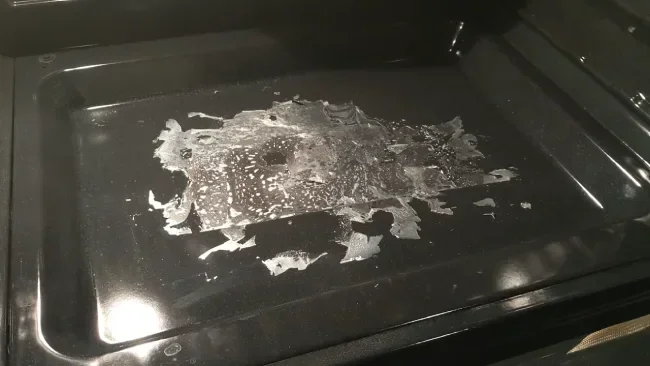
First, turn off the oven and let it cool completely. Do not try to scrape melted plastic while the oven is still hot. You risk scratching the oven surface or burning yourself. Once the oven is cool, use a plastic scraper or wooden spoon to gently remove as much solidified plastic as possible.
For stubborn residue, place a bag of ice on the melted plastic. The cold will make the plastic brittle and easier to chip away. You can also use a mixture of baking soda and water to scrub away any remaining residue. Avoid using harsh chemical cleaners inside your oven, as they can leave behind their own residues that may contaminate food.
If the melted plastic has seeped into the oven’s heating elements or vents, you may need professional help. Do not attempt to use the oven until the plastic is completely removed. Residual plastic can burn and release fumes the next time you turn on the oven.
Preventing Future Accidents
Prevention is always easier than cleanup. To avoid future incidents, make it a habit to double-check that all plastic items are removed from the oven before turning it on. This includes plastic wrap, container lids, and any plastic bags that may have been placed nearby.
Consider using a designated tray or sheet of aluminum foil on the oven rack when cooking foods that might drip. This creates a barrier that catches spills and prevents them from reaching the oven floor where they can be harder to clean.
Also, be mindful of where you store your plastic containers. Keeping them far from the oven reduces the chance of someone accidentally placing a plastic dish on a hot oven surface. A little organization goes a long way in maintaining a safe and efficient kitchen.
Plastic go in oven situations are more common than you might think. Many of us have been guilty of forgetting to remove a plastic lid before starting the oven. The key is to learn from these mistakes and build better habits going forward. Your oven will last longer, your food will taste better, and your family will be safer.
Final Thoughts On Using Plastic Near Heat
The answer to whether plastic go in oven settings is not a simple yes or no. It depends entirely on the type of plastic, the temperature involved, and the duration of exposure. Most household plastics are not designed to handle oven heat and should never be placed inside a hot oven. The risks of melting, chemical leaching, and toxic fumes are simply too high.
However, there are exceptions. Oven-safe plastic containers made from polypropylene or heat-resistant materials can handle moderate temperatures. These products are specifically designed for oven use and are clearly labeled as such. When in doubt, always choose glass, ceramic, or metal alternatives for oven cooking.
Understanding the difference between microwave safe and oven safe plastics is crucial. These labels mean very different things, and confusing them can lead to dangerous situations. Take the time to read labels, check recycling numbers, and follow manufacturer guidelines. Your health and safety depend on these small but important decisions.
Ultimately, keeping your kitchen safe is about awareness and good habits. Know which plastics can handle heat, keep non-oven-safe plastics away from the oven, and always have a backup plan using oven-friendly materials like glass or metal. With the right knowledge and a little caution, you can cook confidently and keep your kitchen free from plastic-related accidents.
Frequently Asked Questions
Can Plastic Go In The Oven?
Generally, you should never put regular plastic in the oven. Most plastics melt at relatively low temperatures, which can ruin your food and damage your oven. Even oven-safe plastics have strict temperature limits you must follow carefully.
What Happens If You Put Plastic In The Oven?
Plastic will begin to soften, warp, and eventually melt when exposed to oven heat. Melting plastic can release harmful chemicals into your food and create a terrible mess inside your oven. Cleaning melted plastic from oven surfaces can be very difficult and time-consuming.
At What Temperature Does Plastic Melt In The Oven?
Most common plastics start to soften around 220°F to 300°F, which is well within normal oven cooking temperatures. Some specialized plastics like CPET can withstand up to about 400°F, but standard household plastics cannot. Always check the packaging or bottom of the container for specific heat resistance information.
Is It Safe To Use Plastic Containers In The Oven?
Only containers specifically labeled as oven-safe should go in the oven, and even then you must follow the recommended temperature guidelines. Regular plastic containers, like those used for takeout or leftovers, are not designed for high heat and can be dangerous. When in doubt, transfer your food to a glass or metal dish before baking.
Can You Put A Plastic Lid In The Oven?
No, you should never place a plastic lid directly in the oven, even if your dish is oven-safe. Lids are typically made from thin plastic that will melt quickly and may release harmful fumes. If you need to cover a dish while baking, use a foil cover or a glass lid designed for oven use instead.
What Type Of Plastic Can Go In The Oven?
Some specialty plastics like CPET (Crystallized Polyethylene Terephthalate) and certain high-heat rated plastics are designed to withstand oven temperatures up to 400°F. These materials are often found in microwave-safe and oven-safe meal trays from specific brands. Always verify the label and never assume a plastic item is oven-safe without checking first.